How to Photograph the Badlands
The Badlands are at their best at either end of the day. The high midday sun flattens the ridges, but low light gives them shadow and color, so the best thing you can do for your pictures is plan around the sun. This guide covers sunrise, sunset, wildlife, the seasons and what to bring, and it works whether you drive yourself or come out with us.
However you get here, please leave no trace: pack out everything you bring, and leave rocks, fossils and plants where you find them.
Responsible Travel
At My XO Adventures, we travel with intention. We practice Leave No Trace. Travel shouldn’t cost the earth, and through mindful practices, we ensure these landscapes remain vibrant for generations to come.
Why the Badlands Are So Good to Photograph
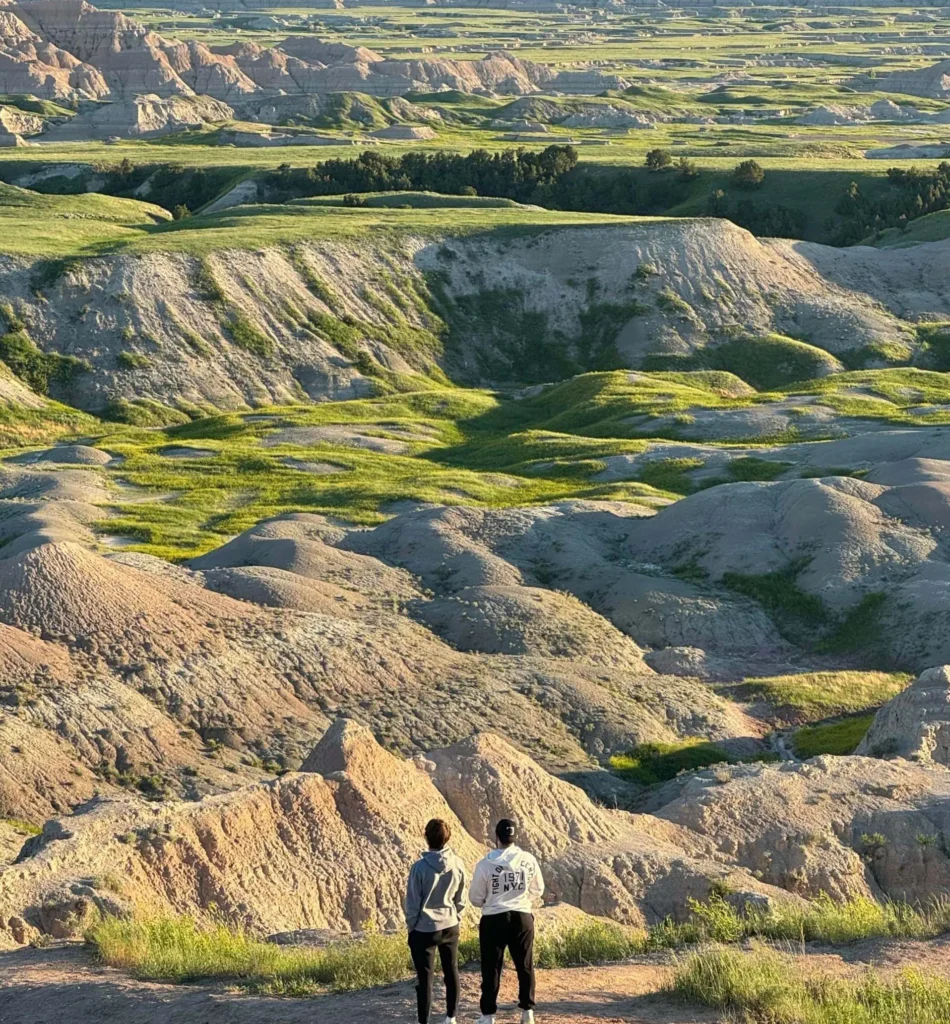
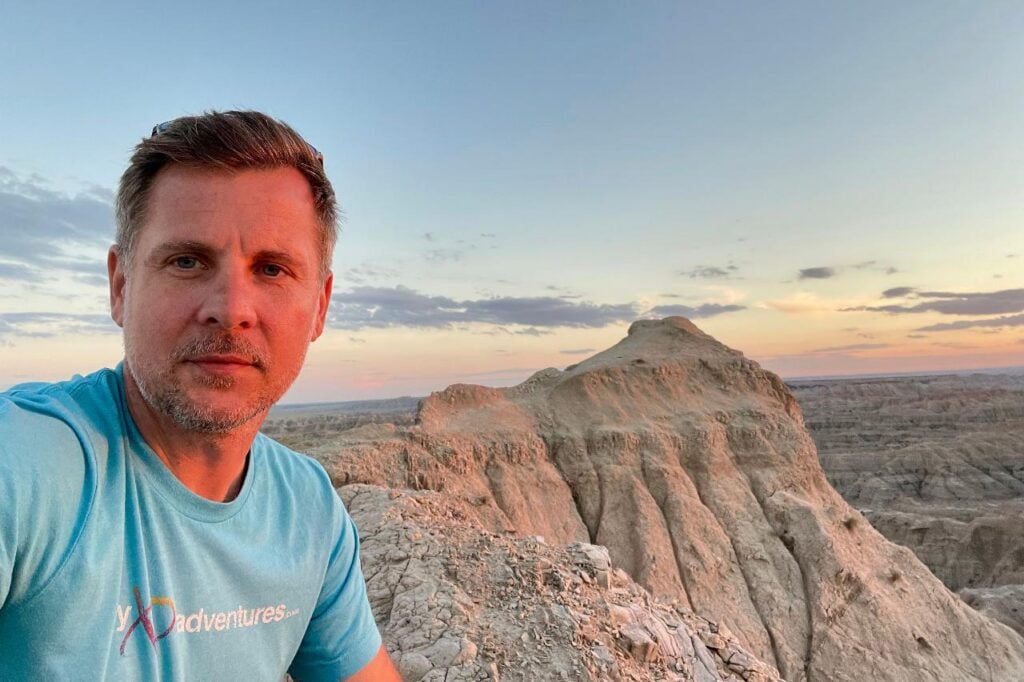
Layered rock, wide open sky and fast changes in light make the Badlands rewarding for anyone with a camera. Soft morning light shows the detail in the ridges and spires, and evening light throws long shadows that add depth. Around sunrise and sunset the colors can move from cool blues to warm golds and reds within minutes, so get in place before the light turns.
Wildlife adds to all of that, because bison, bighorn sheep, pronghorn, prairie dogs and a wide range of birds live in the park.
Photographing the Badlands at Sunrise
Sunrise gets overlooked here, but it’s often the most rewarding time to shoot. The light is softer and there are fewer people at the overlooks, so textures and formations stand out without harsh contrast. Get to your spot before first light, because you’ll want time to settle in and watch the sky change, and cloud or fog can change a scene completely.
Animals are often moving across the open prairie at that hour too, but wildlife can never be guaranteed.
Photographing the Badlands at Sunset
Sunset feels different. The colors get deeper, the contrast gets stronger and shadows stretch across the formations, so the sky often becomes the main subject. Panorama Point and Conata Basin Road are two good places to work that evening light.
The light changes fast, which means you’ll want your picture lined up before the sun gets low. Don’t pack up when it drops, because some of the best pictures come just after it goes below the horizon, while the sky is still glowing.
Photographing Wildlife in the Badlands
Wildlife photography here takes patience, because animals don’t keep a schedule. Bison and bighorn sheep are the ones most people hope for, and prairie dogs and birds of prey make good pictures too, but nobody can promise a sighting.
Stay at least 100 yards from any wild animal when you’re on foot, or stay in your vehicle. Bring the longest lens you have so you never need to move closer, and let the animal keep doing what it was doing.
Bringing Your Camera on One of Our Tours
We don’t run photography classes, and your guide isn’t there to teach camera settings, but you’re welcome to bring a camera on any of our private tours. If you want first light, take a look at our Badlands Sunrise Tour, and if you want the evening light, take a look at our Badlands Sunset and Golden Hour Tour. For the stars, there’s our Badlands Sunset and Night Sky Tour.
The Best Time of Year for Badlands Photos
Each season gives you something different. Spring often brings dramatic skies and fresh greens, and summer has long days and storm clouds that can make a sunset. Fall brings cooler temperatures and quieter overlooks, and winter can put snow against the rock with few people around.
Sunrise and sunset times move a lot through the year, so check them for your dates before you plan the day.
What to Bring
Bring your camera, extra batteries, sturdy shoes, layers and sun protection, and a tripod if you plan to stay for the stars.
Slow Down and Let the Light Change
The best Badlands pictures come from slowing down. Pick one or two spots, get there early and give the light time to change, because that’s when the rock starts to glow. Stay for the stars if you can, because Badlands National Park is an International Dark Sky Park.
About Daniel Milks
Owner and lead guide at My XO Adventures in Rapid City, South Dakota
Daniel Milks is the owner and lead guide of My XO Adventures, based in Rapid City, South Dakota. He leads private days through the Black Hills and Badlands built around wildlife behavior, geology, local history, and photo worthy stops, with a calm pace that leaves room for real discovery. Each route is shaped around your interests, current conditions, and simple, practical planning so your day feels easy, personal, and genuinely local. My XO Adventures tours include admission fees for the parks, monuments, and memorials on your itinerary. Learn more about Daniel on his bio page.