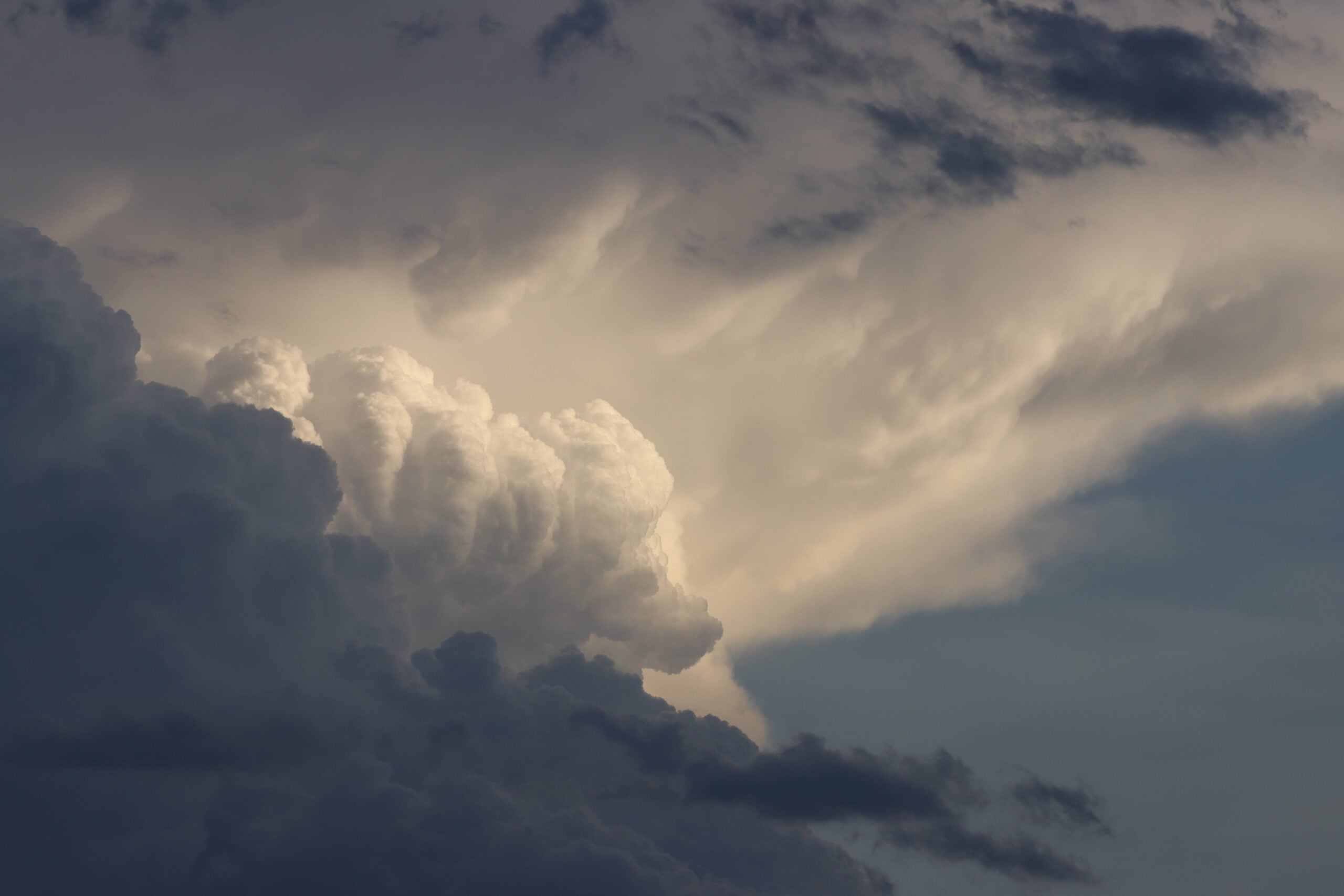
clous forming a storm

Weather of the Black Hills

Understanding the Climate, Seasons, and Rapid Weather Changes of the Black Hills

Weather Overview

Introduction

July and August are the warmest months in the Black Hills, with days in the 70s and 80s and sometimes the 90s, and winter can be harsh with cold and snow.

If you’re planning to visit the Black Hills, it’s essential to know what kind of weather you should expect and how to prepare for it. The Black Hills weather can be unpredictable, and it’s always better to be over-prepared than underprepared.

Location

Rapid City is located in Southwestern South Dakota, between the Black Hills to the west and Badlands National Park to the east. The Black Hills’ proximity to the city can create unique weather occurrences that you should be prepared for, even on a sunny day.
 
wild weather in badlands national park
Badlands National Park On A Perfect Storm Day

Be Prepared For The Wind

The wind is the primary factor affecting the weather in the Black Hills. Chinook Winds come from the west down the mountainside and through Rapid City, resulting in record-breaking temperature swings. Strong gusts can come on fast and cause severe damage to those not prepared. Thunderstorms here also bring some of the most remarkable hail, from golf-ball to baseball size.
​
As a matter of fact, on January 22, 1943, at 7:32 AM, Spearfish, SD, was at a bone-chilling -4°F. Then warm air moved in, and within two minutes the temperature rose to 45°F. A couple of hours later it plunged from 54°F back to -4°F in 27 minutes. That’s crazy. There’s more, though. 
​
These winds can come on rather rapidly and cause severe damage to those who are not prepared. As a reference point, a record gust of 105 mph wind was recorded on November 6, 2008, equal to a category two hurricane! 
 
​On a side note, this is the first time I have experienced this with guests, and I never want to! Thunderstorms here also bring some of the most significant hail. From golf ball to baseball size, the spring season brings the real potential for afternoon hailstorms. If you’re renting a car, get hail insurance.
 
​Most of this crazy weather occurs in spring and early summer, but it can happen at any time of year. It’s part of what made life so difficult for the homesteaders out on the plains. With nothing to protect them, these early pioneers built earthen houses into the side of small hills to protect them from the weather.

Precipitation in the Black Hills and Badlands

Between Rapid City and the Badlands lies arid prairie. The wind rolling over this area can be one of the most beautiful sights, but the arid conditions can lead to dehydration. It’s always essential to stay hydrated, and we ensure that on every adventure.  Precipitation can be extreme, and the spring season brings a real risk of afternoon hailstorms. If you’re renting a car, get hail insurance. 
 
Unfortunately, the aridness of the land can lead to dehydration. So it’s always essential to have plenty of water, and we make sure of that if you come along on one of our Tours of the Black Hills. 
weather of the black hills at black elk peak

Altitude

It can be easy to forget that while discovering the Black Hills, you may be slightly higher in altitude than where you call home. The highest peak, Black Elk Peak, rises out of the plains at an impressive 7,244 feet. The air is thinner, the sun is more intense and the temperature is lower. Climbing stairs or taking a hike will be more challenging at those heights. Hydration is essential here.
 

Seasonal Weather of the Black Hills and Badlands

storm cloud brews. weather in the badlands
devils tower storm
weather in the badlands

Seasonal Weather of the Black Hills

​The Black Hills weather varies significantly depending on the time of year you decide to visit. Check out the National Weather Service for the Black Hills to give you an idea of the average highs and lows throughout the year. The Weather in the Badlands can give you one heck of a show, but keep your distance and play it safe.

Spring

​The weather of the Black Hills in  Spring brings the potential for afternoon hailstorms and rapid wind gusts. Bringing a windbreaker, sunscreen, and a reusable water bottle is always a good idea. Don’t forget to pack shoes/boots with excellent grip, ankle support, and comfort.
 

Summer

​July and August are the warmest months, with daytime temperatures in the 70s and 80s, sometimes the 90s, and low humidity. It’s a great time to visit the Black Hills, but the evenings can get chilly. Pack layers that you can peel off in the afternoon and put back on in the evening. A hat and polarized sunglasses are also helpful.
 

Fall

Fall is a beautiful time in the Black Hills, with mild temperatures and beautiful foliage. Pack layers as the temperature can fluctuate throughout the day. Don’t forget to bring a windbreaker and hiking shoes/boots. Weather in the Badlands is also mild, but storms can crop up quickly. It’s always good to be prepared. 
 

Winter

​Winter can be harsh in the Black Hills, with cold temperatures and snow. Be sure to pack warm clothing, a hat, gloves, and snow boots. It’s also essential to have a good quality lotion that’s not greasy and hydrates the skin. Most of our private tours run all winter, and our Black Hills Winter Wonderland Tour is a winter day in the Black Hills with Mount Rushmore, Custer State Park and Sylvan Lake.
 

Regional Weather of the Black Hills and Badlands

The Northern Black Hills Weather

The Northern Black Hills get more snow than the southern Hills. March is typically the snowiest month, with an average of 15 to 25 inches in the northern Black Hills and 8 to 12 inches in the southern Hills, according to the National Weather Service. So if you’re planning a winter trip to the Northern Black Hills, you should be prepared for heavy snowfall and potentially icy roads. 
 

The Central and Southern Black Hills Weather

In spring, the National Weather Service gives average daytime temperatures in the 50s in April, the 60s in May and the 70s in June. Fall starts warmer, with September highs in the 60s and 70s, and October highs in the 50s and 60s.
 
​Summers are generally warm and sunny, with daytime temperatures in the 70s and 80s and sometimes the 90s. Humidity is low, but visitors should be prepared for thunderstorms.
​
In winter, daytime temperatures average in the 30s, and chinook winds can warm them into the 50s and 60s. Visitors should still be prepared for snow and icy roads, especially in the higher parts of the Black Hills.
 
​Whether you’re planning a winter ski trip or a summer hiking adventure, the weather in these regions is generally pleasant and enjoyable for outdoor activities.
 

The Weather in the Badlands

Badlands National Park experiences a semi-arid climate, with hot summers and cold winters. The park is located in the Great Plains region of the United States, where temperatures can vary significantly between day and night. The National Park Service gives average highs of 92°F in July and 91°F in August, and January averages a high of 34°F and a low of 11°F. 
 
The park gets about 16 inches of precipitation a year, most of it in the warmer months, and winters bring 12 to 24 inches of total snowfall. Visitors should be aware of the weather in the Badlands and prepare for sudden changes in weather, as thunderstorms and strong winds can occur throughout the year. 
 
Despite the extreme temperatures and unpredictable weather, Badlands National Park remains a popular destination for outdoor enthusiasts. Hiking, camping, and wildlife viewing are popular activities in the park, and visitors are encouraged to check the weather forecast before embarking on any outdoor adventures.
 

Regional Weather of the Black Hills and Badlands

Winter in the Black Hills and Badlands

It all depends on the time of year you decide to visit. To give you an idea of the average highs and lows throughout the year, check out the National Weather Service for the Black Hills. This will help you better understand the type of clothing to pack, but here are a few standard items to bring. 

  • Windbreaker – Easy to pack and carry. 
  • Sunscreen – You look cute with rosy red cheeks but don’t want to be burnt to a crisp!
  • Hiking shoes/boots – Few people give credence to this item. Generally, it’s because everyone wants to look nice on their vacation. I’ll take my picture in hiking boots rather than a leg brace any day. Do NOT go into the black hills with sandals or improper footwear. Proper footwear means a shoe sporting excellent grip, ankle support, and comfort. My favorites are either Merrell or Salomon. Both are high quality and even have a line of pretty stylish footwear.
  • Layers. Pack clothing you can layer up in the morning, begin to peel off in the afternoon, and put back on in the evening. 
  • Reusable Water Bottle – We do our best for the environment out here, so where and when possible try one of these.
  • Hat – Anything that will provide shade to the face and scalp. Get creative!
  • Lotion – Hydration and skin care are essential. Bring a high-quality lotion that’s not greasy and hydrates the skin.
  • Polarized sunglasses – Not only is this good for the eyes, but it also enhances your vision. Colors and landscapes pop out, enhancing your experience. 

Weather Tools That I use

Carrot Weather – One of the best, most accurate and insulting apps I’ve ever had. Great options, overlays, vectors and she slaps you around a bit when using her. I like an app with an attitude. Click on the link and meet Miss carrot. 

Conclusion

The Weather of the Black Hills can be unpredictable, but with the right preparation, you can have a great time exploring this beautiful region. Remember to check the weather forecast before you go and pack appropriately. Stay safe and enjoy your trip!
 

Planning for Weather in the Black Hills

Generally speaking, the weather in the Black Hills is mighty fine, but we have some things to watch. Let’s start by giving you a better understanding of where you are precisely. Rapid City is located in Southwestern South Dakota. More specifically, it is between the Black Hills to the west and Badlands National Park to the East.

​Rapid City cozies up to the mountains, and between it and the Badlands are rolling prairie hills and flat farmland. This creates unique weather occurrences you should be prepared for, even on a sunny day.

​The wind is the primary concern in the Black Hills. With it comes all other things. Chinook Winds come from the west down the slope of the mountains and through Rapid City. We’ve got record-breaking temperature swings due to these winds. As the seasons change, many people seek out autumn activities in Black Hills to enjoy the stunning fall foliage and crisp air. Hiking trails become popular spots for families and friends looking to take in the natural beauty, while local events celebrate the harvest. The vibrant colors of the landscape provide a perfect backdrop for photography and exploration.

​As a matter of fact, on January 22, 1943, at 7:32 AM, Spearfish, SD, was at a bone-chilling -4°F. Then warm air moved in, and within two minutes the temperature rose to 45°F. A couple of hours later it plunged from 54°F back to -4°F in 27 minutes. That’s crazy. There’s more, though.

​These winds can come rather rapidly and cause severe damage to those not prepared. As a reference point, a record gust of 105 mph wind was recorded on November 6, 2008, equal to a category 2 hurricane!

​On a side note, this is the first time I have experienced this with guests, and I never want to! Thunderstorms here also bring some of the most remarkable-sized hail. From golf ball to baseball size, the spring season brings the real potential for afternoon hailstorms. If you’re renting a car, get hail insurance.

​Most of this crazy weather occurs in spring and early summer but can happen at any time of year. It’s part of what made life so difficult for the homesteaders out on the plains. With nothing to protect them, these early pioneers built earthen houses into the side of small hills to protect them from the weather.

​The precipitation could be extreme either back then or now. Between Rapid City and the Badlands is an arid prairie land. Grasses of the original plains reside here, and the wind rolling over the plains can be one of the most beautiful sights to see. It’s like an ocean of grass.

Unfortunately, the aridness of the land can lead to dehydration. So it’s always essential to have plenty of water, and we make sure of that if you come along on one of our Tours of the Black Hills. ​

​Lastly, it can be easy to forget that while Discovering the Black Hills, you may be slightly higher in altitude than where you call home. The highest is Black Elk Peak, which rises out of the plains at an impressive 7,244 feet. The air is thinner, the sun is more intense and the temperature is lower. Climbing stairs or taking a hike will be more challenging at those heights. Hydration is essential here. We keep water in the vehicle on every private Black Hills tour, and we plan the walking around the altitude and the heat.

What to Wear and Pack for the Black Hills

It all depends on the time of year you decide to visit. To give you an idea of the average highs and lows throughout the year, check out the National Weather Service for the Black Hills. This will help you better understand the type of clothing to pack, but here are a few standard items to bring.  Consider participating in seasonal activities in the Black Hills, such as hiking during the vibrant fall foliage or skiing in the winter months. Each season offers unique experiences, from summer festivals to spring wildflower blooms, making it essential to plan your visit accordingly. Be sure to check local event calendars to maximize your adventure and immerse yourself in the natural beauty of the region.

  • Windbreaker – Easy to pack and carry. 
  • Sunscreen – You look cute with rosy red cheeks but don’t want to be burnt to a crisp!
  • Hiking shoes/boots – Few people give credence to this item. Generally, it’s because everyone wants to look nice on their vacation. I’ll take my picture in hiking boots rather than a leg brace any day. Do NOT go into the black hills with sandals or improper footwear. Proper footwear means a shoe sporting excellent grip, ankle support, and comfort. My favorites are either Merrell or Salomon. Both are high quality and even have a line of pretty stylish footwear.
  • Layers. Pack clothing you can layer up in the morning, begin to peel off in the afternoon, and put back on in the evening. 
  • Reusable Water Bottle – We do our best for the environment out here, so where and when possible try one of these.
  • Hat – Anything that will provide shade to the face and scalp. Get creative!
  • Lotion – Hydration and skin care are essential. Bring a high-quality lotion that’s not greasy and hydrates the skin.
  • Polarized sunglasses – Not only is this good for the eyes, but it also enhances your vision. Colors and landscapes pop out, enhancing your experience.