Things to do in the Black Hills, a practical guide to the scenic drives, iconic landmarks, wildlife, and local experiences that make planning easy.
The Black Hills are one of those rare places where geology, history, wildlife, and living culture all meet in a relatively small landscape. From granite spires and open prairie to deep canyons and forested backroads, there’s a lot packed into this corner of South Dakota.
This guide to things to do in the Black Hills is designed to help you understand what’s here, how the pieces fit together, and how to experience the region in a way that feels unrushed and connected. Some places are iconic and deserve their reputation. Others are quieter and often overlooked but just as meaningful when you slow down and notice what’s around you.
If you’re planning your first visit, this page will help you get oriented. If you’ve been here before, it may help you see familiar places a little differently.
If you only have limited time, start with these. This short list gives you the best mix of iconic stops, scenery, and the moments that make the Black Hills feel like the Black Hills.
Needles Highway
Granite spires, one-lane tunnels, and classic Norbeck scenery that people remember most.
Iron Mountain Road
A scenic drive designed for slow reveals, framed views, and those famous curves and tunnels.
Sylvan Lake
An quick, high reward stop for an easy walk, photos, and a reset between scenic drives.
Spearfish Canyon
Waterfalls, limestone walls, and a coooler, greener feel than the central Hills.
Custer State Park
The heart of the region for wildlife, big landscapes, drives that turn into an experience.
Wildlife Loop Road
Your best slow paced drive for bison, pronghorn, prairie dogs, and golden light.
Mount Rushmore
Even if it’s the reason you came, it’s better when it’s paired with the scenic drives and a few quieter stops nearby..
Use the quick list above to choose your must do stops, then use the table of contents below to jump to details, timing, and tips.
If you only do a few things, start with these.
Best scenic drives: Needles Highway, Iron Mountain Road
Best easy stop: Sylvan Lake
Best wildlife: Custer State Park, Wildlife Loop Road
Best cool canyon day: Spearfish Canyon
Best iconic landmark: Mount Rushmore
Best add on if you have time: Wind Cave National Park







Most people arrive with a checklist. The Black Hills work better as a flow. Pick one scenic drive, add one iconic stop, then leave room for wildlife and one quiet place that makes the day feel personal. Use the quick start section above, then scroll to the categories below to build a plan that fits your pace.
The Black Hills of South Dakota offer a mix of natural beauty, Indigenous history, wildlife, quirky small towns, outdoor recreation, and quiet moments that stay with you long after you leave. Whether someone has an hour, a weekend, or a week, some experiences truly shape a visit.
This guide breaks down the very best places to explore, along with practical advice, thoughtful insight, and ideas travelers may not find anywhere else.
The Black Hills are home to some of the most recognizable places in the country. Visitors come for the famous names, but often remember the peaceful drives, the quiet lookouts, and the feeling of standing in front of something far older than any of us.

Most visitors arrive at Mount Rushmore with a clear picture in mind. They have seen it in books, movies, and school projects. What they often do not expect is the feeling that comes when they round the final corner and see the carving in person. The scale, detail, and setting all combine to create a moment hard to capture in photos.
To make the most of a visit, it helps to think in layers. Start with the main viewing area to take in the classic look. Then walk the Presidential Trail, which brings you closer under the faces and offers new angles. Those variations in viewpoint can change the mood, from formal and grand at the Grand View Terrace to almost intimate from below as you look up through the trees.
The Sculptor’s Studio adds another layer by explaining how the project was designed and executed. Visitors can see models, tools, and displays that reveal both the creativity and the controversy surrounding the memorial. Whether someone leaves inspired, conflicted, or a mix of both, they go with a deeper understanding than they arrived with.
Crowds and parking can be a challenge in peak season, so planning helps. Early morning and later in the day are more relaxed times to visit. Bringing water, a light jacket, and comfortable footwear will make walking along the paths more enjoyable. If you’d like context, a guiding presence, or an audio experience can help connect the dots between the carving, the era in which it was created, and the land it stands on.
Mount Rushmore appears on almost every list of things to do in the Black Hills, and for good reason. With thoughtful planning and enough time, it becomes not just a quick photo stop, but a meaningful part of the journey.

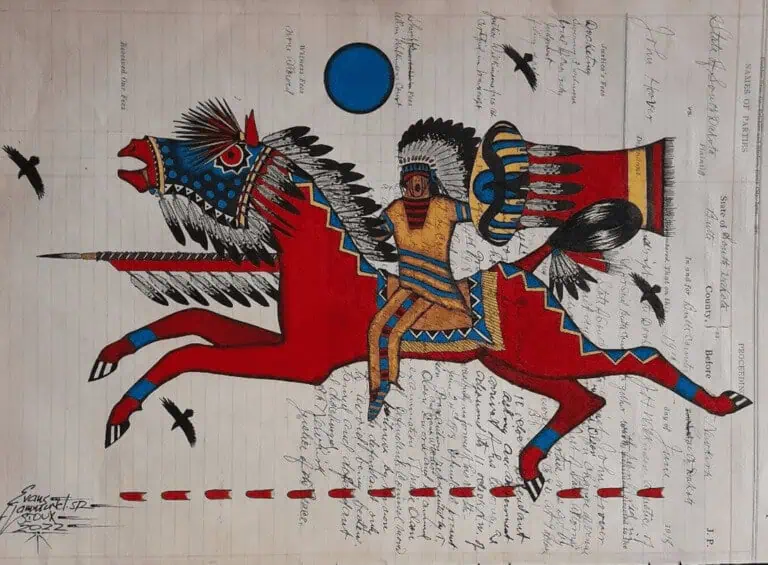
Crazy Horse Memorial is different from most sites because it is still in progress. Instead of a finished monument, visitors see a living project spanning generations. The mountain carving, museum, and cultural center are dedicated to honoring the spirit of the Lakota leader Crazy Horse and to preserving the Native cultures of North America.
Guests can start at the visitor center, where exhibits introduce them to the memorial’s vision, the family that continues the work, and the communities it represents. Artwork, historical items, and personal stories bring the experience to life in a way that goes far beyond a simple viewing platform. Many people leave with a deeper respect for the history, the land, and the ongoing effort.
From there, a short bus ride (when available) may bring visitors closer to the carving, where they can see the project’s scale up close. Watching heavy equipment move across the mountain or seeing fresh rock surfaces reminds you that this is not just a tribute to the past, but a project actively shaping the future.
Take your time here. Attend a cultural program if available, listen to speakers, and explore the museum exhibits rather than rushing straight to the overlook. The more time someone spends, the more the place’s meaning unfolds. It also pairs well with other experiences focused on the Indigenous history of the Black Hills.
For guests seeking thoughtful things to do in the Black Hills, Crazy Horse Memorial offers a powerful, educational stop that stays with you long after you leave.

Although technically east of the Black Hills, Badlands National Park is close enough to feel like part of the same adventure. The park’s sculpted formations, striped in subtle shades of pink, gold, and gray, create a landscape that looks almost unreal at first glance. Deep gullies, sharp ridges, and expansive open vistas stretch out toward the horizon.
A good way to experience the Badlands is to combine a scenic drive with a few intentionally chosen walks. Boardwalk trails and short paths lead to overlooks where visitors can appreciate the patterns and textures that make this area so special. For those who want a bit more, there are moderate hikes that dip into the formations and offer views back toward the rim.
The park is also a rich place for wildlife viewing. Bighorn sheep, prairie dogs, and pronghorn are familiar sights, especially in the quieter parts of the day. Watching a storm roll across the distant plains or seeing the sky turn soft colors at sunrise and sunset can be unforgettable.
Because the Badlands are exposed and lack shade, preparation matters. You should bring plenty of water, hats, sunscreen, and secure footwear. Summer afternoons can be hot and intense, so visiting early or later in the day is often more comfortable and rewarding.
For anyone searching online for things to do in the Black Hills and nearby, adding the Badlands to the itinerary turns a good trip into a great one. The contrast between the forested hills and the stark, rugged beauty of the Badlands helps people understand just how varied this region truly is.
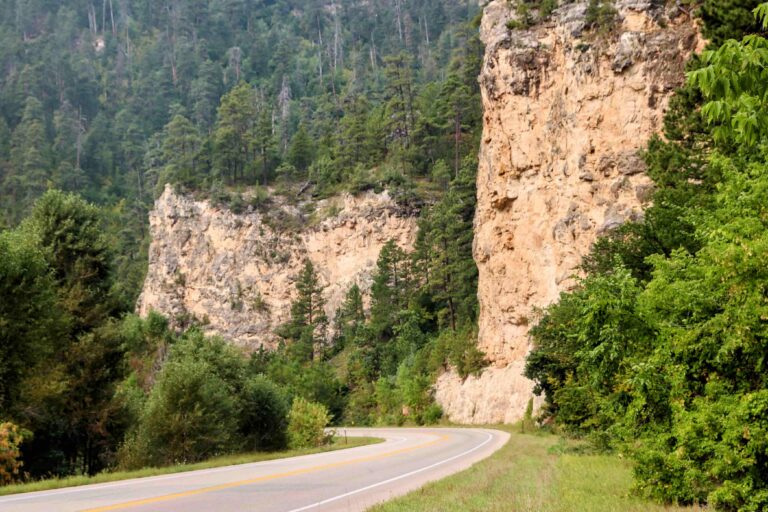
Some of the most memorable things to do in the Black Hills happen from the front seat of a car. These roads weren’t designed just to get you from point A to point B. They were built with intention, using curves, elevation, tunnels, and natural framing to reveal the landscape slowly and thoughtfully.
Driving here is part of the experience. The pace matters. Slowing down allows the land to unfold in layers, granite spires rising through ponderosa pine, open grasslands giving way to narrow canyons, and distant horizons suddenly framed by stone.
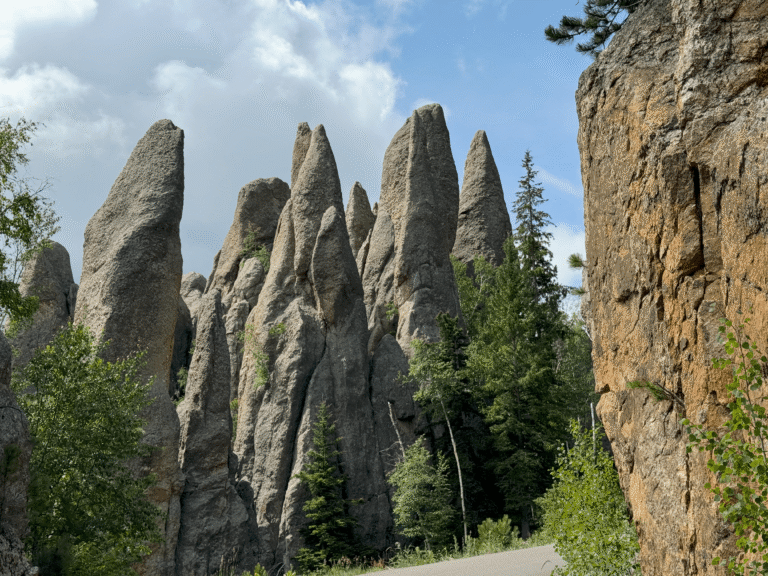
Needles Highway is not just a drive, it feels like entering a natural stone cathedral. The road threads through towering granite spires that rise out of the forest as if they have been waiting centuries for you to arrive. Most people think of it as a quick box to check on the way to something else. It becomes much more special when you treat it as the main event.
The route takes you through narrow tunnels, sweeping curves, and sudden openings where the entire landscape seems to appear at once. Drivers should plan to go slowly, not only for safety but also because every turn reveals a new viewpoint worth noticing. This is not the road to rush. It is the road where you roll the windows down, breathe pine-scented air, and pause at the pullouts that call to you.
One of the most memorable areas is near the Needles Eye formation. Here, the rock has been shaped over time into a tall, slender opening that appears both delicate and powerful. Visitors often walk around, take Photographs from several angles, and stand still for a while. That stillness is part of the experience. The best time to visit is early morning or late afternoon when the light is softer, and the road is less busy. Midday is busier, especially in summer.
From a practical standpoint, travelers should expect a slow pace, tight turns, and low speed limits. Larger vehicles and very wide RVs may find parts of the road stressful. If someone is nervous about driving it themselves, a guided experience can shift the day from tense to enjoyable. A guide knows where to stop, how to time traffic, and how to bring the stories of the geological formations, Wildlife, and human history to life.
For those looking for things to do in the Black Hills that feel truly local and memorable, Needles Highway is a perfect starting point. Plan at least half a day if you want to take your time, explore Sylvan Lake nearby, and enjoy a picnic or short hike along the way.

Iron Mountain Road feels like Peter Norbeck, a visionary, politician, and well-digger, designed it. The road connects the Mount Rushmore area with Custer State Park and Wind Cave, but it does far more than get you from one place to another. It creates a series of reveals that change how you see the Black Hills.
The most famous features are the pigtail bridges and the one-lane tunnels that frame Mount Rushmore in the distance. The road loops around and over itself, so at times you are looking down at the stretch you just traveled, and at other times you are climbing into the trees with no idea when the next view will appear. It is the kind of drive that turns adults into kids again as they lean forward and say, “Look at that.”
Timing matters here. Early morning brings softer light, cooler temperatures, and calmer traffic. Late afternoon is equally beautiful, especially when the warm light hits the rock and pine needles. Midday can be busy in peak season, but if that is the only time available, stopping at pullouts for a short break can help keep the experience relaxed.
Because the road is winding and narrow in places, it is helpful to remind visitors to go slowly and stay patient around drivers who are nervous or unfamiliar with mountain roads. This is another situation where a guided tour can be ideal. Having someone else manage the driving allows guests to focus on the scenery, the Wildlife, and the countless small details that are easy to miss when you are watching only the center line.
As a thing to do in the Black Hills, Iron Mountain Road offers precisely what many visitors hope for without knowing how to ask for it. It provides views, photo moments, and a sense of discovery, all within a single drive.

Spearfish Canyon feels like a hidden world tucked neatly into the northern Black Hills. Steep limestone walls rise on both sides of the byway, with spruce and aspen clinging to their slopes and Spearfish Creek flowing along the bottom. If someone is looking for things to do in the Black Hills that combine easy access with real beauty, this is one of the finest choices.
The drive itself is gentle and calming, but the real magic happens when you step out of the vehicle. Short walks lead to waterfalls, including Bridal Veil Falls and Roughlock Falls. These are not strenuous hikes. Many are closer to a stroll, allowing multi-generational families to share the experience. Visitors can stand on viewing platforms, listen to the water, watch for birds, and take photos without filters.
In autumn, the canyon becomes a tapestry of gold as the aspen and birch trees change color. Photographers and leaf peepers arrive, yet even then, there are quiet corners if you know where to look. In summer, the shade and flowing water provide a cool escape from the heat, and mornings are often peaceful even on busy days.
Pack a simple picnic, a light jacket, and comfortable shoes to fully enjoy the canyon. Mobile service can be limited in some areas, nudging people to be present rather than scroll.
Spearfish Canyon often surprises travelers who didn’t expect such a lush, dramatic landscape in this part of the country. When people talk about their favorite things to do in the Black Hills after a trip, this drive and its waterfall walks come up often.

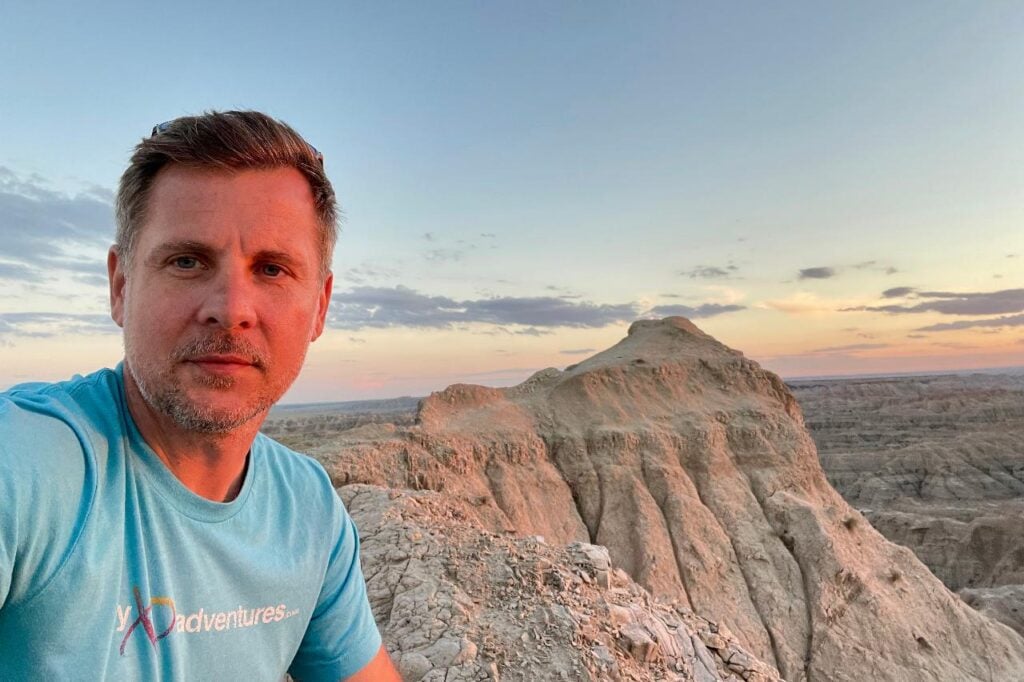
Daniel is the owner and lead guide of My XO Adventures, a locally owned tour company based in the Black Hills of South Dakota. With years of hands-on experience guiding visitors through the Black Hills and Badlands, Daniel brings together geology, history, ecology, wildlife awareness, and lived local knowledge to create meaningful, grounded travel experiences.
His approach focuses on connection rather than checklists. Each place is interpreted within its natural and cultural context, helping visitors understand not just what they’re seeing, but why it matters. Daniel’s work emphasizes respectful travel, thoughtful pacing, and a deeper appreciation for the landscapes and stories that shape this region.
When he’s not guiding, Daniel spends his time exploring backroads, tracking seasonal changes, studyinag the land, and refining educational content designed to help travelers experience the Black Hills with curiosity, care, and intention.