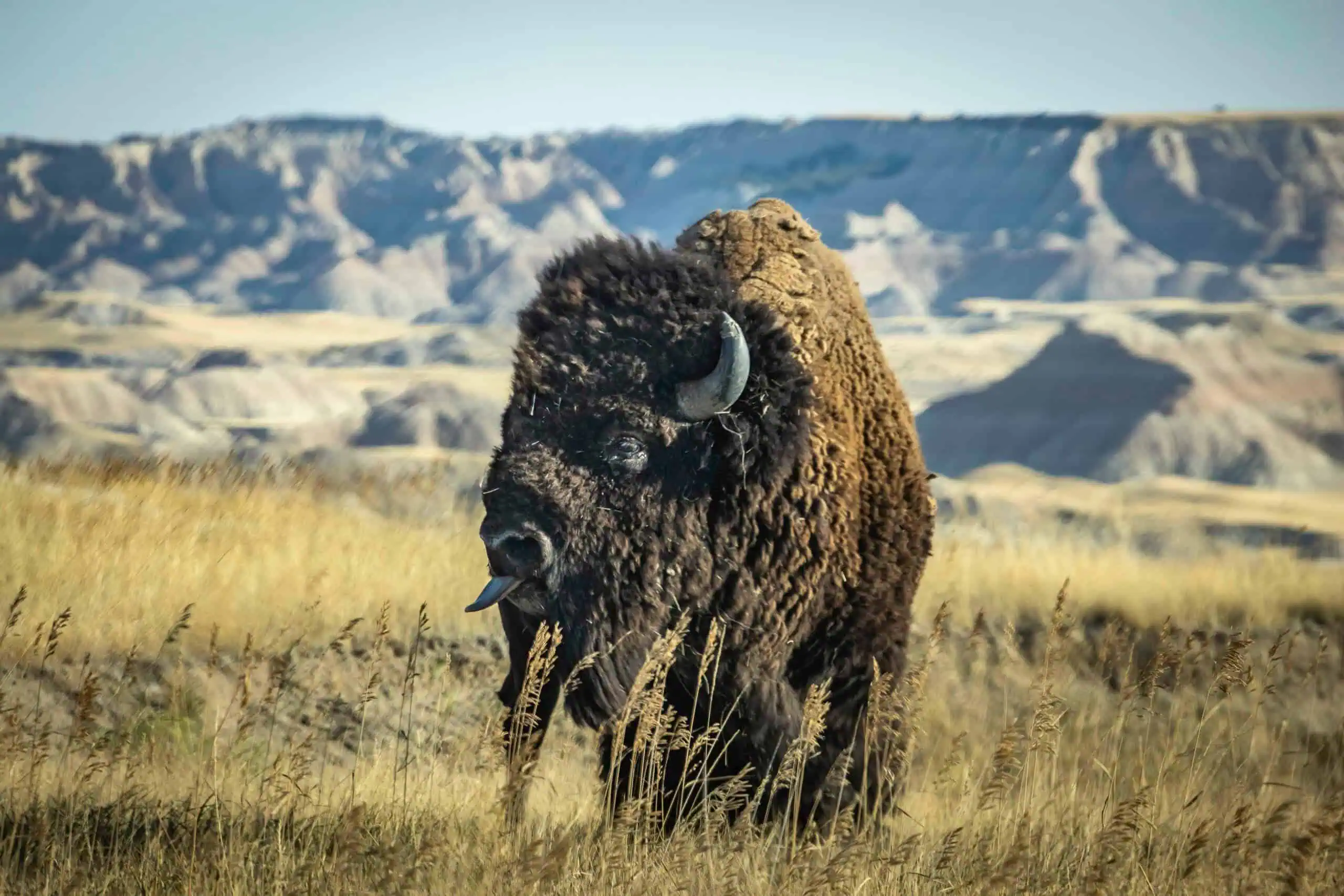
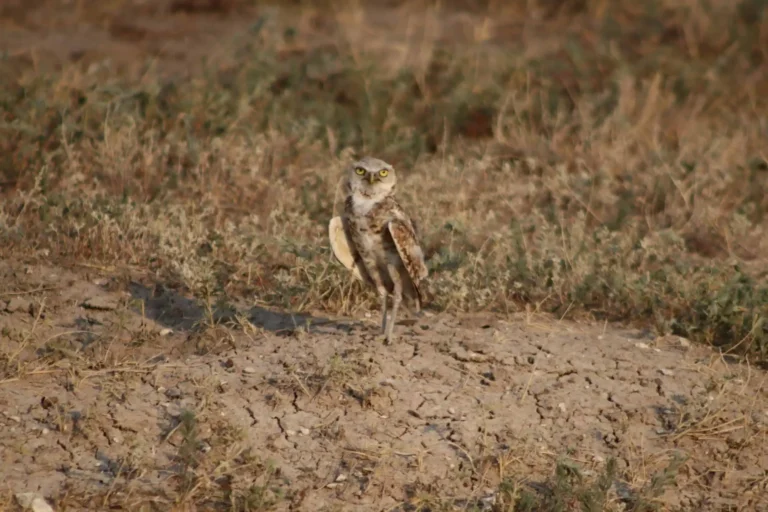
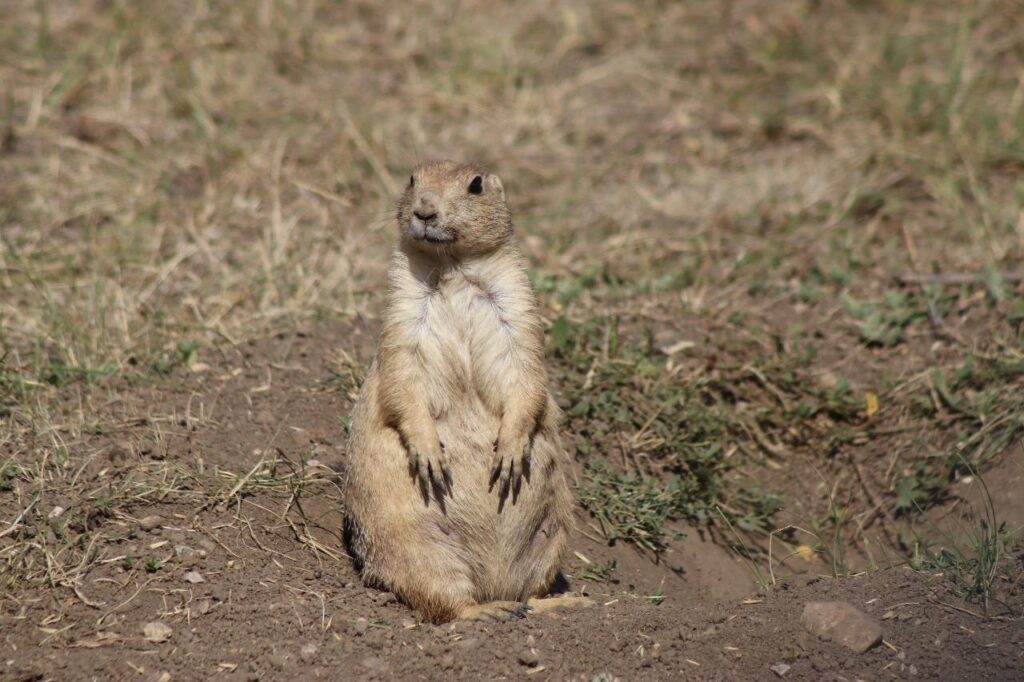
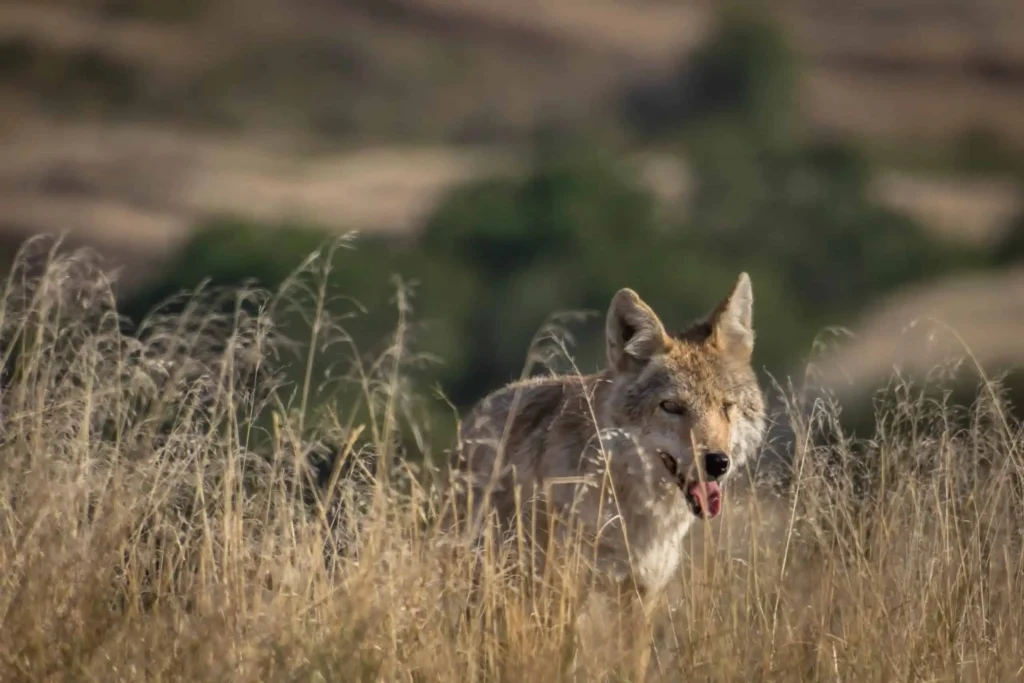
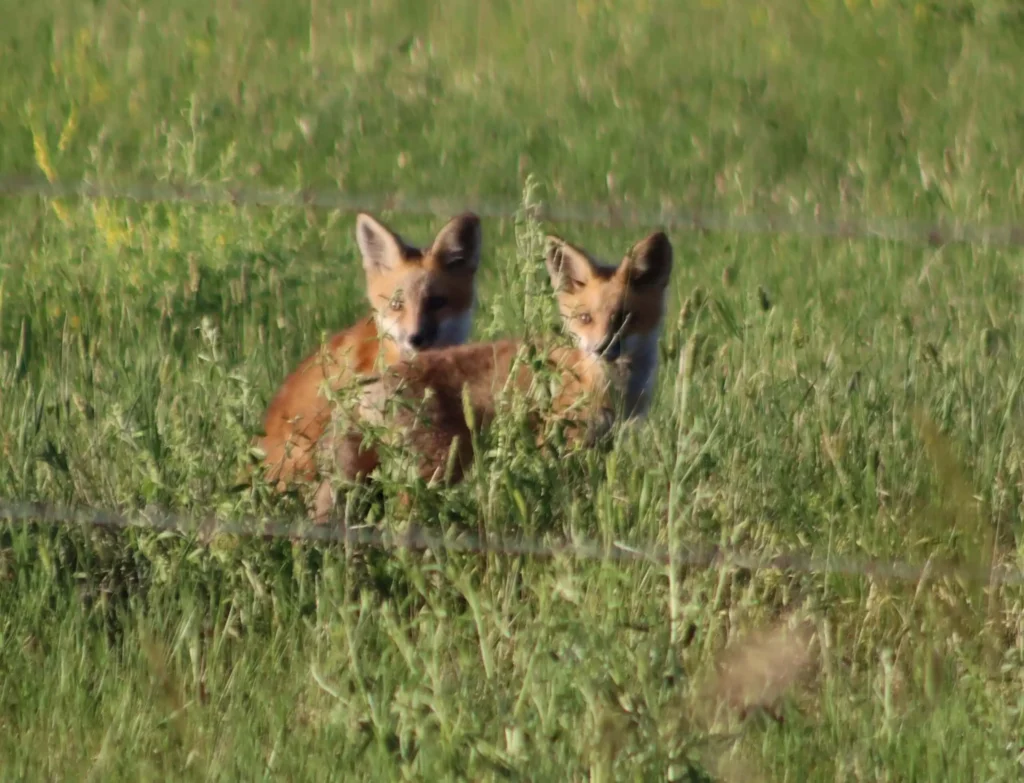
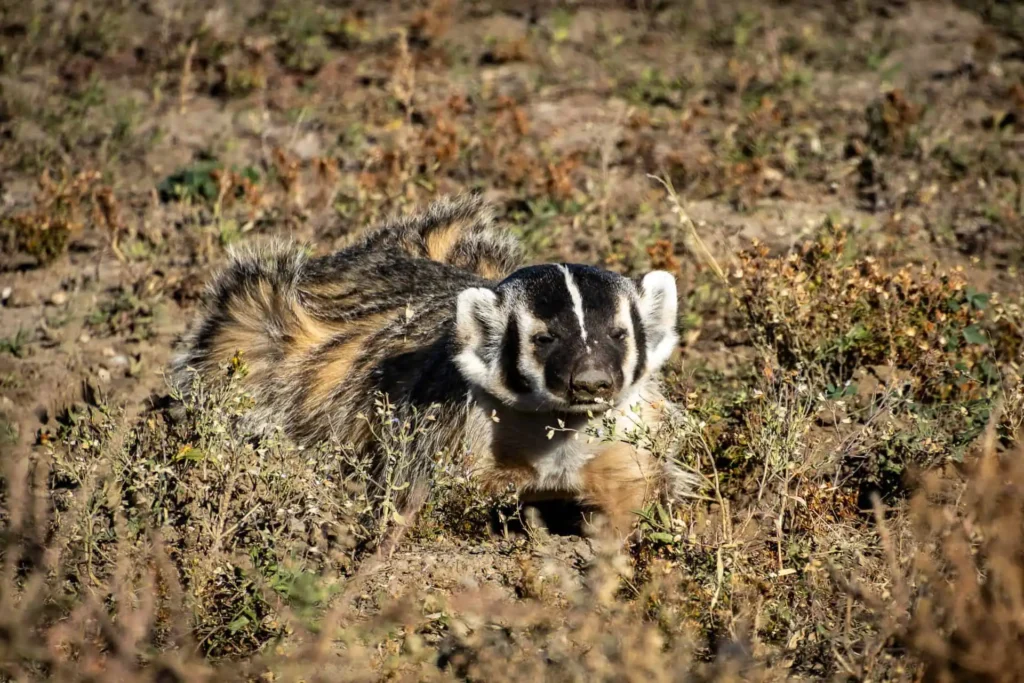
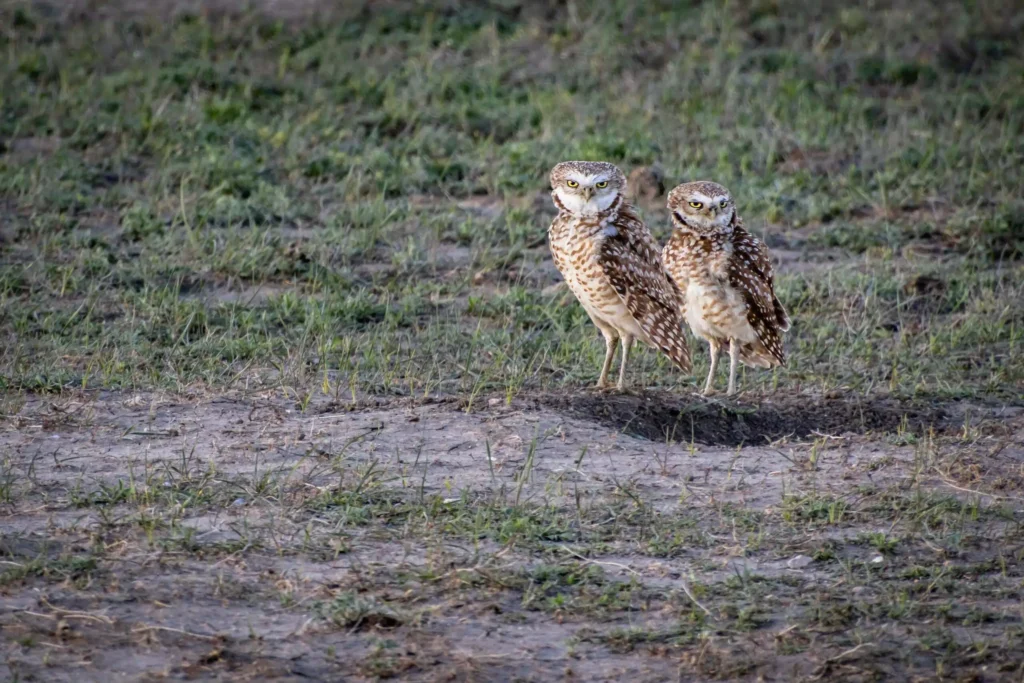
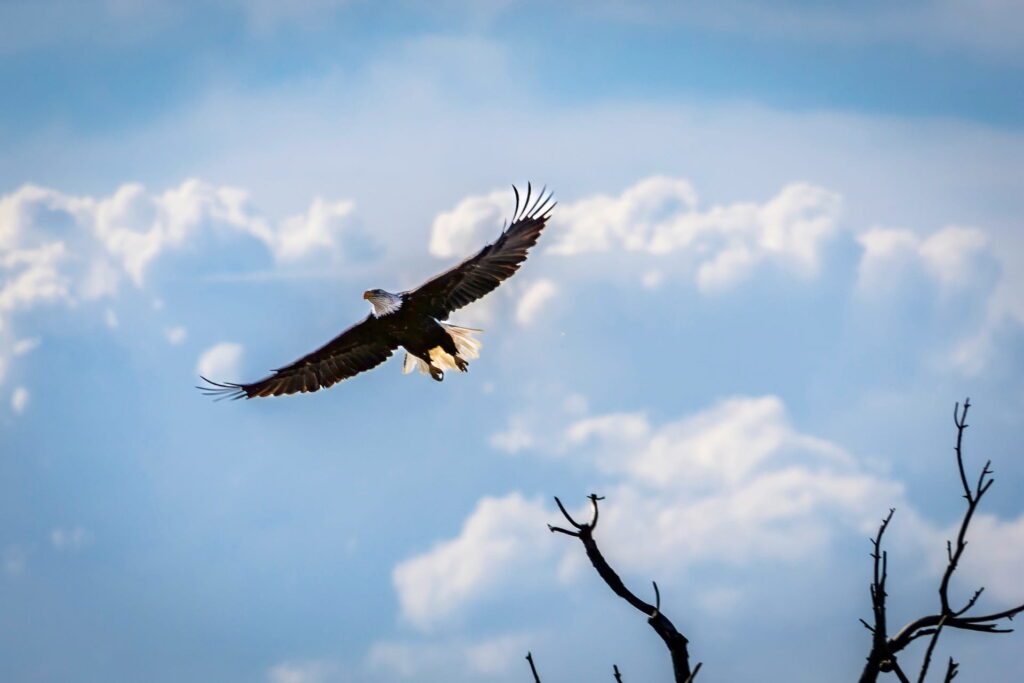
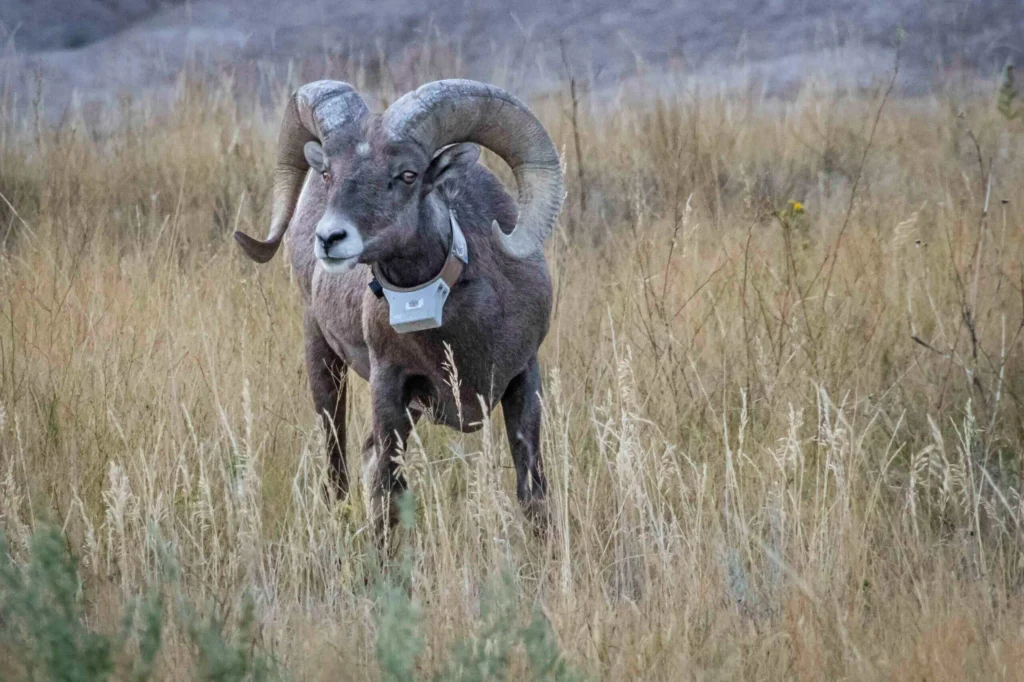
Spotting wildlife in Badlands National Park often depends on timing, patience, and knowing where animals tend to move throughout the day. Bison may appear grazing in the early morning along the park’s quieter roads, while bighorn sheep are often seen navigating steep ridges and rocky slopes during cooler parts of the day. Prairie dogs are active across the grasslands throughout much of the daylight hours, and pronghorn frequently travel across open prairie just outside the main formations.
Many visitors quickly realize that the park is large and wildlife movement can be unpredictable. Areas like Sage Creek Wilderness, Conata Basin, and the grasslands bordering the park are often productive wildlife corridors, especially during the early morning and late afternoon when animals are most active.
For travelers who want to maximize their chances of seeing wildlife while also learning about the landscape, geology, and animal behavior, guided experiences can make a significant difference. Local guides spend hundreds of days in the park each year observing animal patterns and seasonal changes that are easy to miss on a first visit.
Visitors interested in a deeper wildlife experience often choose the Badlands Wildlife Expedition, which focuses specifically on finding animals across the park and surrounding grasslands. Others prefer combining wildlife viewing with dramatic lighting conditions on the Badlands Sunset and Golden Hour Tour, when the formations glow with color and wildlife activity often increases.
Both experiences are designed to help visitors understand the Badlands ecosystem while exploring some of the park’s most scenic areas at the times of day when the landscape and wildlife are most active.