Talk to Your Guide: (605) 252-9100
A Monument to American Vision: Mount Rushmore in the Heart of the Black Hills
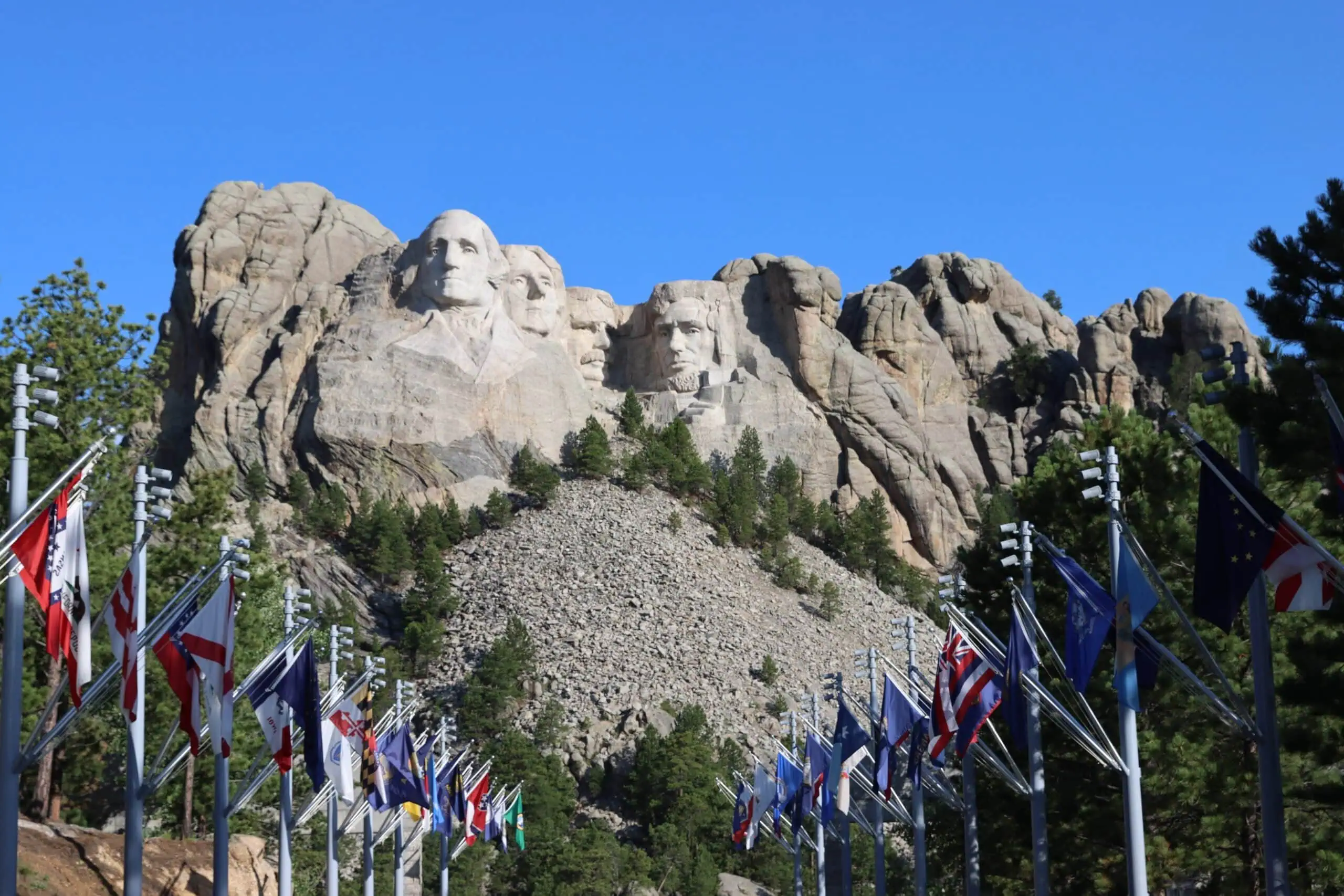
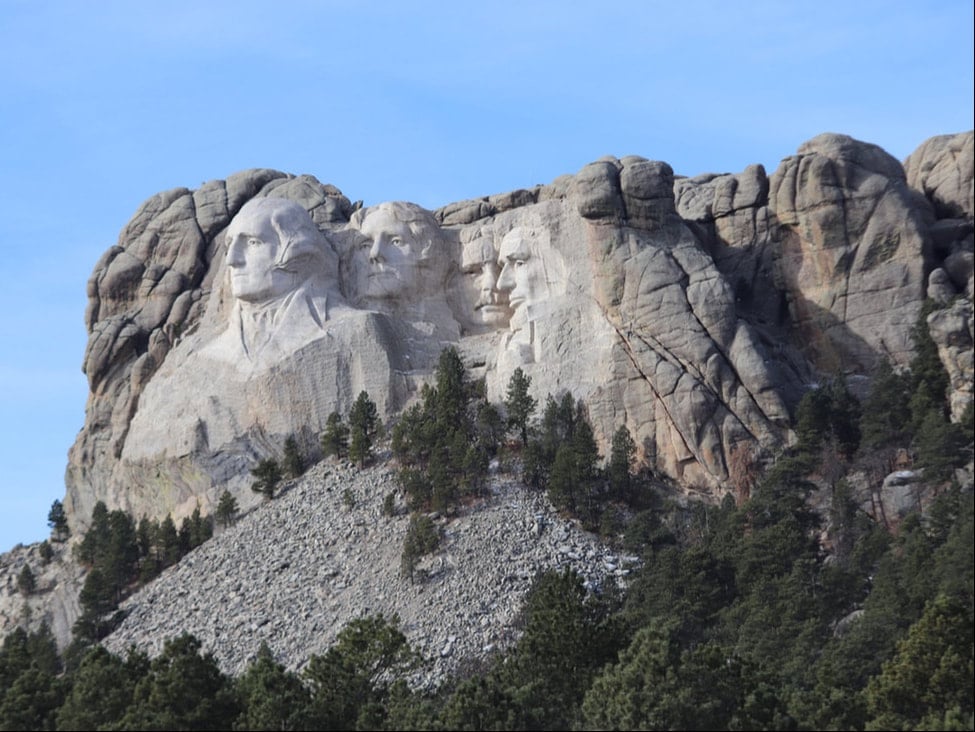
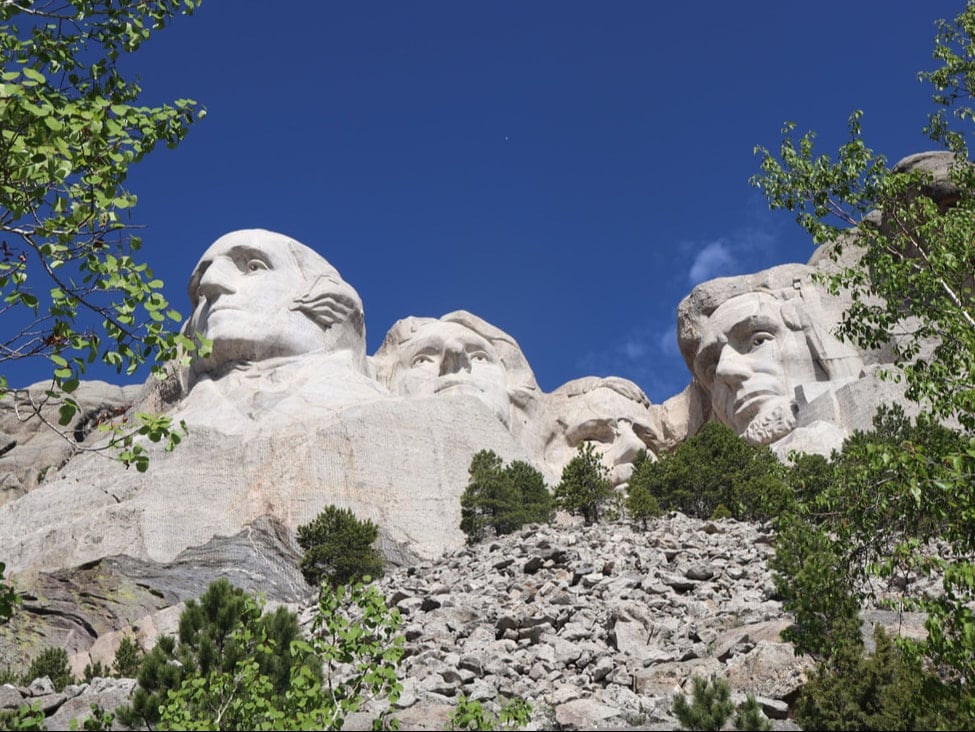
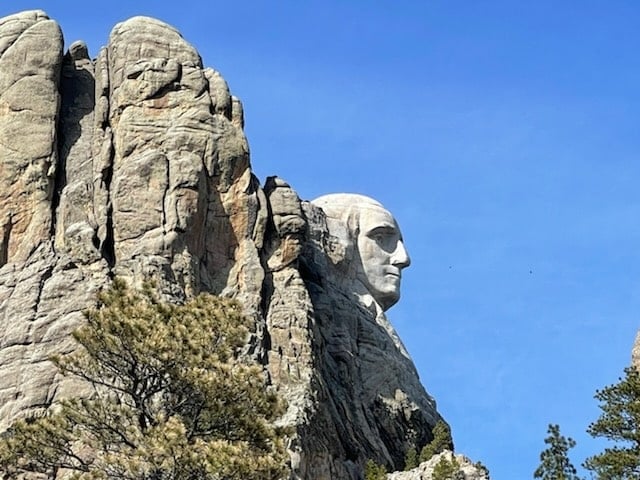
Mount Rushmore National Memorial is a granite sculpture of four U.S. presidents in the Black Hills of South Dakota: George Washington, Thomas Jefferson, Theodore Roosevelt and Abraham Lincoln. Sculptor Gutzon Borglum said its purpose was to communicate the founding, expansion, preservation and unification of the United States, and the memorial sits just outside Keystone.
Mount Rushmore started as an idea from South Dakota historian Doane Robinson, who wanted colossal carvings that would draw people from all over the country to the Black Hills. In 1924 he contacted Gutzon Borglum, and carving began on October 4, 1927. It ended on October 31, 1941, and the Park Service says nearly 400 men and women worked on the project in those 14 years.
Borglum first imagined full busts of the presidents, and the design was scaled back to their faces because of the budget. Today just over two million people visit Mount Rushmore each year. The Black Hills around it have plenty more to see, including the Cathedral Spires.
About 450,000 tons of rock came off the mountain, and the Park Service says 90% of the carving was done with dynamite. Workers climbed 700 stairs to punch in each day, and steel cables lowered them over the 500-foot face in a bosun chair. When the blasting got within three to six inches of the final surface, drillers honeycombed the granite with closely spaced holes so it could be taken off by hand, and then they smoothed the faces with a bumper tool.
The job paid about $8 a day, and not one worker died during the 14 years of carving. Each face is about 60 feet high, and the Park Service keeps working to protect the sculpture from the weather.
The Black Hills are sacred to the Lakota and other Indigenous nations, and the Lakota knew this mountain as the Six Grandfathers. The 1868 Treaty of Fort Laramie recognized the Black Hills as part of the Great Sioux Reservation. The United States took the land after gold was found, and in 1980 the Supreme Court ruled that compensation was owed for the taking.
So some people come here to honor the presidents, and many others see the carving as the desecration of a holy place. What the mountain means to the Lakota is theirs to say, and we ask you to visit with respect for the land and its people.
Our private Mount Rushmore tour covers the history, geology and stories behind the carving. For hours and current conditions, check the National Park Service’s official Mount Rushmore National Memorial page.
The memorial is also a good way into the rest of the Black Hills region, and the natural beauty of the Black Hills is worth the extra time.
A visit to Mount Rushmore is about more than a look at four faces. Start at the Lincoln Borglum Visitor Center, where exhibits and films tell the story of the carving, from the first idea to the problems the workers had to solve.
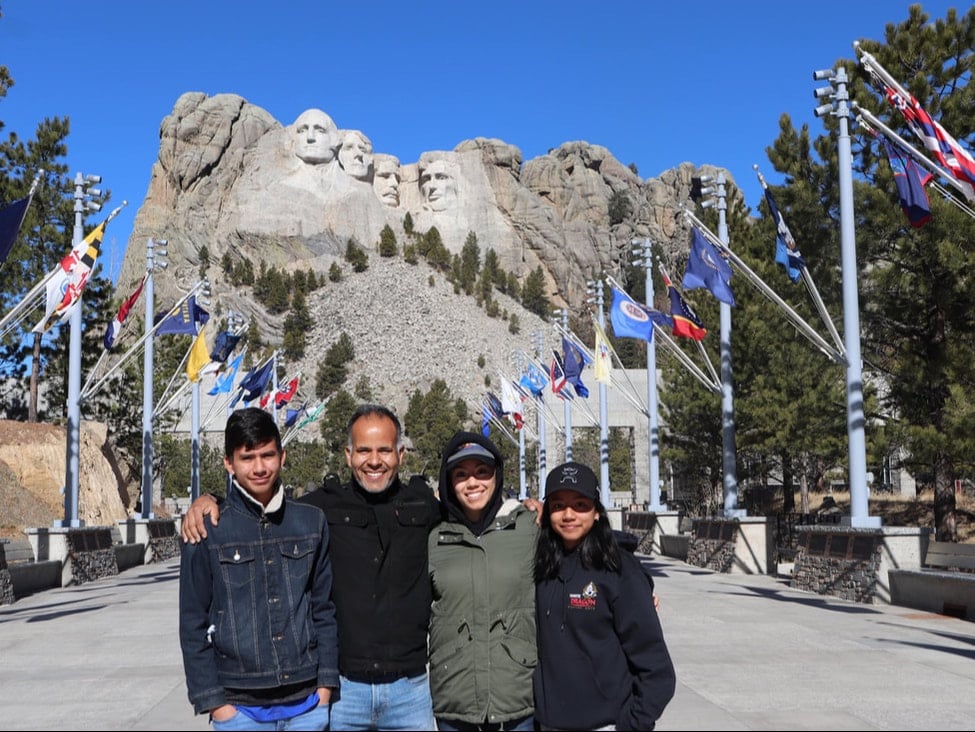
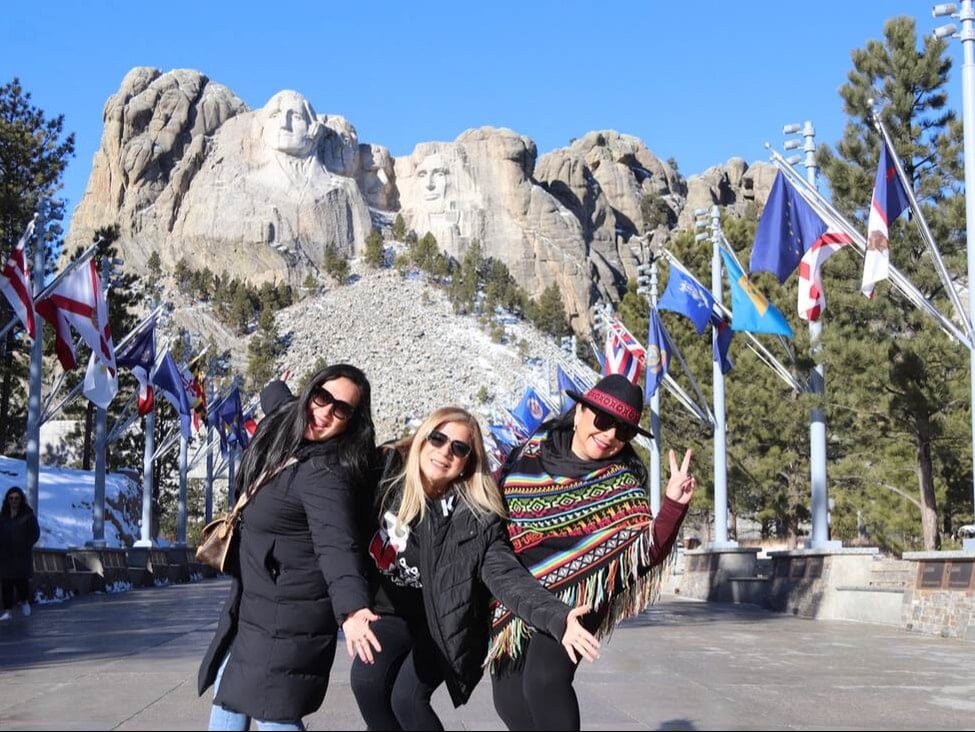
Walk the Avenue of Flags, which is lined with state and territorial flags, and it’s a great place for a photograph.
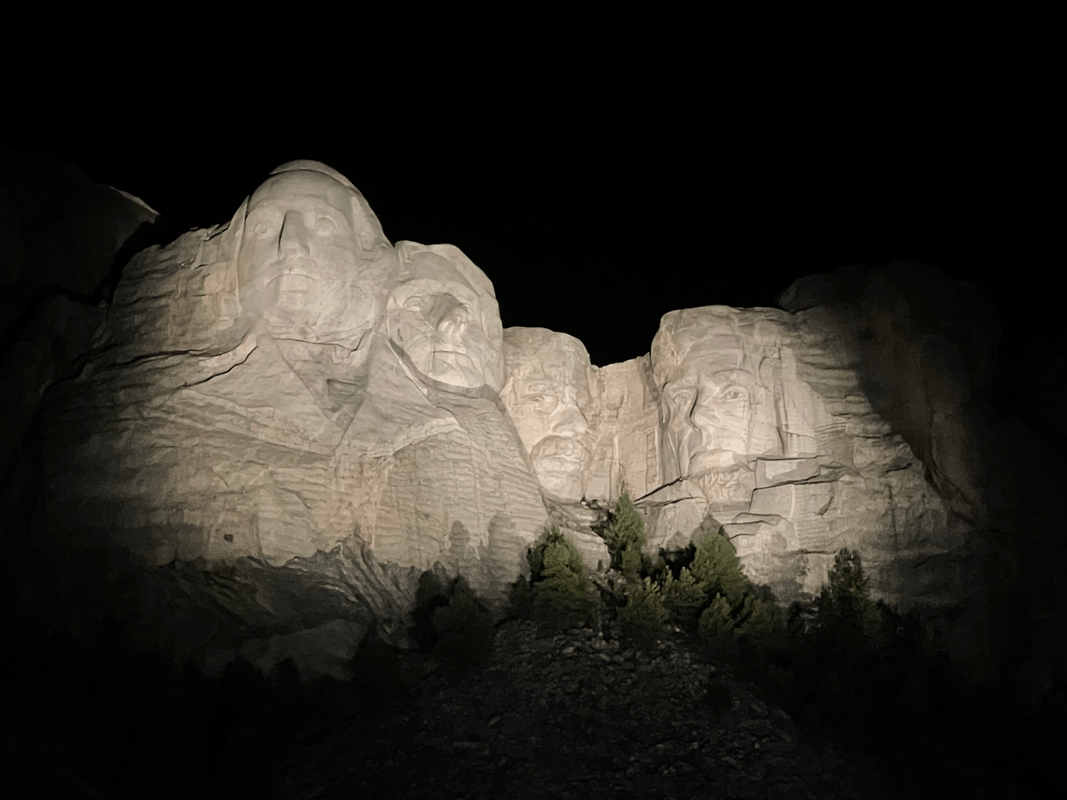
To see the faces lit, plan to stay for sunset. The sculpture is lit every night of the year, and from late May through the end of September a ranger leads the 45-minute Evening Lighting Program in the amphitheater, with no reservation needed. Our private Mount Rushmore tour builds the whole day around the memorial and the scenic drives that frame it.
The memorial rewards knowing what you are looking at, and the carving, the funding and the mountain itself all have more to them than the viewing terrace explains. Our private Mount Rushmore tour gives you that on the way there and back, with your own guide and nobody else in the vehicle.