Talk to Your Guide: (605) 252-9100
Looking for places to eat near Badlands National Park can feel simple until you’re out on the road and the nearest kitchen is closing. The Badlands are remote on purpose, and that’s part of their magic, but it means food planning matters.
Here’s the key detail most first-time visitors miss. Cedar Pass Lodge is the only location inside Badlands National Park where you can buy food. It sits near the Ben Reifel Visitor Center, and it’s your one in-park option. The lodge lists its season as April 15 to October 15, and its restaurant, Waysides, serves from 7 AM to 8 PM, so bring your own food outside those dates.
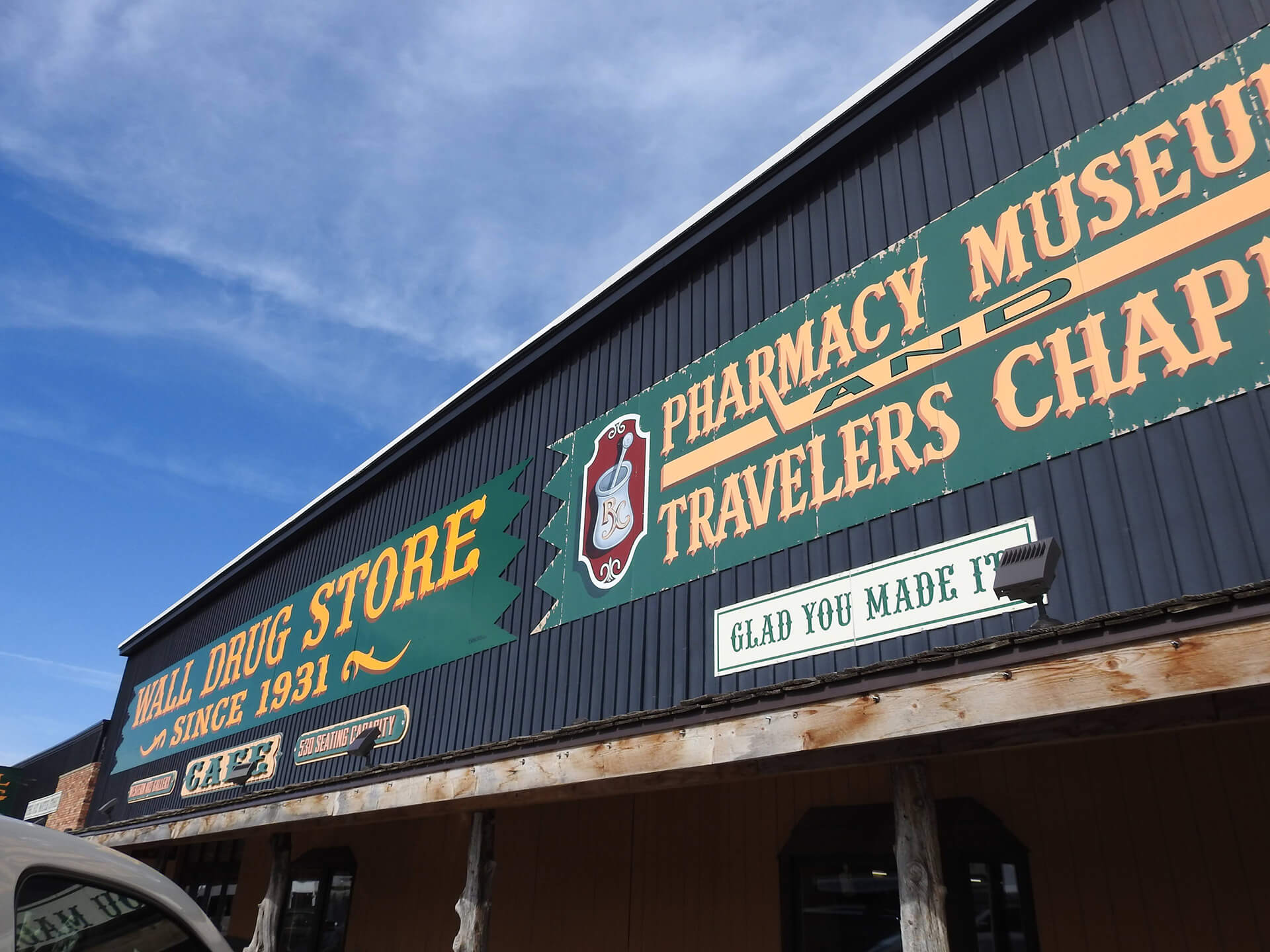
Outside the park, the most convenient food hubs are Wall on I-90, near the Pinnacles Entrance, and Interior, near the park’s southern side. This guide breaks down your best stops, plus a practical backup plan so you’re not scrambling at dinner time.

If you want a meal without leaving the park, Waysides at Cedar Pass Lodge is the move. The National Park Service lists Cedar Pass as the only place in Badlands National Park to purchase food, and it’s located close to the Ben Reifel Visitor Center. Because Cedar Pass runs on seasonal hours, treat it like a daytime anchor rather than a late-night guarantee. Check hours for the day you go, aim to arrive early, and keep a simple backup meal in your vehicle in case the kitchen closes ahead of schedule.
Badlands National Park rewards curiosity, patience, and preparation, and food planning is no exception. One of the biggest surprises for first-time visitors is how quickly dining options disappear as the sun sets. This landscape feels vast and timeless, but modern conveniences don’t stretch very far once you’re inside the park.
Packing a lunch or dinner is often the best decision you can make. A simple cooler with sandwiches, wraps, fruit, and plenty of water gives you freedom. You’re not racing the clock or cutting a scenic drive short because a restaurant is closing. You can linger at an overlook, stay out for changing light, or take a longer drive without worrying about your next meal.
Even during peak season, restaurant hours can change without notice. Staffing shortages, weather, and seasonal demand all affect when kitchens open and close. If you plan to watch sunset or explore deeper into the park later in the day, having food with you turns a potential problem into a peaceful moment. Few things compare to eating a simple meal while surrounded by layered rock formations and wide-open sky.
If you plan to eat out, aim to eat earlier rather than later, and don’t rely on a single option. Check hours the same day, and always have a backup plan. Fuel up before entering the park, carry snacks, and treat food as part of your overall strategy, not an afterthought.
The Badlands ask visitors to slow down, think ahead, and respect the rhythm of a remote place. When you plan your meals with the same care you plan your route, the entire day flows better. Less stress, more time, and a deeper connection to where you are.
Sometimes the best meal near Badlands National Park isn’t found on a menu. It’s the one you brought with you, eaten quietly, with nothing but wind, stone, and open space for company.
Exploring the Badlands works up an appetite, and nearby food options span casual cafés, local diners, and unique regional stops. These answers help you plan meals, snacks, and timing so your day flows without hangry moments.
Options range from classic American comfort food at small diners to cafés. You’ll find hearty meals, kid-friendly plates, and quick snacks perfect between park activities.
Some restaurants and cafés operate year-round, especially in Wall. Others are seasonal or have limited winter hours, so checking hours ahead is smart.
Yes, but the choices are limited, so look at the menu before you go or pack your own.
Many visitors pack lunches or snacks to enjoy at scenic pullouts, especially if you want to maximize time in quieter areas or avoid a restaurant rush at peak meal hours.
Towns like Wall and Kadoka have multiple dining options just a short drive from the park’s exits, so you can plan dinner or late lunch after your visit.
It depends on the restaurant, so call ahead or check the menu before you go, or pack your own.
Ice cream shops, bakeries, and roadside snack stands are popular in warmer months and can be great for a treat after a day of hiking and driving.
Most do, especially in larger towns. It’s still handy to keep a small amount of cash just in case, particularly in more rural spots.

Here’s the honest truth about food near the Badlands. Hours can change, kitchens close early, and cell service can be spotty right when you’re trying to figure out plan B. If you build your day around a single restaurant, you’re setting yourself up for stress.
A simple fix is to pack a small cooler like you’re heading out on a backroad picnic. Sandwiches or wraps, fruit, trail mix, and plenty of water go a long way. If you want something warmer, a thermos of soup or chili turns into a surprisingly satisfying dinner at an overlook. And if a restaurant is closed or the wait is long, you’re still set.
This matters most if you’re chasing golden light. Sunset is one of the best moments in Badlands National Park, but it often occurs after Cedar Pass has wound down and many Wall kitchens have closed. Bring the meal, eat earlier when you can, and let the rest of the evening be about quiet skies and vast open country.
The Badlands reward travelers who plan just a little ahead. Distances are longer than they look, services are limited, and timing matters more than most people expect. A thoughtful plan helps you avoid closed kitchens, missed viewpoints, and long stretches without fuel or cell service.
The resources below walk you through the essentials, from understanding seasonal conditions to choosing the right tours and routes. If you want your time in Badlands National Park to feel unhurried and intentional, start here and build your day around what matters most to you.
The Badlands are wild, remote, and intentionally undeveloped. That’s part of what makes them special, but it also means a little planning goes a long way. These guides answer the questions most travelers don’t realize they’ll have until they’re already on the road.
How to choose the right Black Hills and Badlands tour
A practical breakdown of tour styles, pacing, and what makes sense depending on how you like to travel and how much time you have.
Ultimate Guide To Badlands National Park
Seasonal conditions, weather patterns, crowd levels, and what actually changes throughout the year.
Why sunset and night sky tours matter in the Badlands
An explanation of why the park feels entirely different after daylight fades and how to plan around limited services and early closures.
Safety tips for exploring the Black Hills and Badlands
What to know about weather, wildlife, driving distances, and staying prepared in one of South Dakota’s most remote landscapes.
The options near the park are thin, which is what this post is about, and the drive back out for lunch costs you the middle of the day. On our Badlands tour you can add a picnic-style meal and eat where you are, rather than driving out to Wall and back.
Daniel Milks is the founder and lead guide of My XO Adventures, a private tour company based in Rapid City, South Dakota. With years spent exploring the Black Hills and Badlands on foot, by vehicle, and under changing skies, Daniel focuses on helping travelers slow down, understand the land, and connect more deeply with the places they visit.
His approach blends natural history, regional ecology, Indigenous context, and practical travel knowledge shaped by real-world guiding experience. Every route, recommendation, and article is grounded in time spent out there, not theory or marketing trends.
When Daniel isn’t guiding guests through Badlands National Park or the Black Hills, he’s researching local landscapes, refining visitor resources, and advocating for thoughtful, responsible travel that respects both people and place.