Black Hills and Badlands Travel Blog
The Black Hills and Badlands Travel Blog is designed as a practical Black Hills travel guide and Badlands travel planning resource. This is not a stream of random stories. It is a structured travel blog built to help you make informed decisions about timing, routes, wildlife activity, seasonal conditions, and how to shape a meaningful South Dakota itinerary.
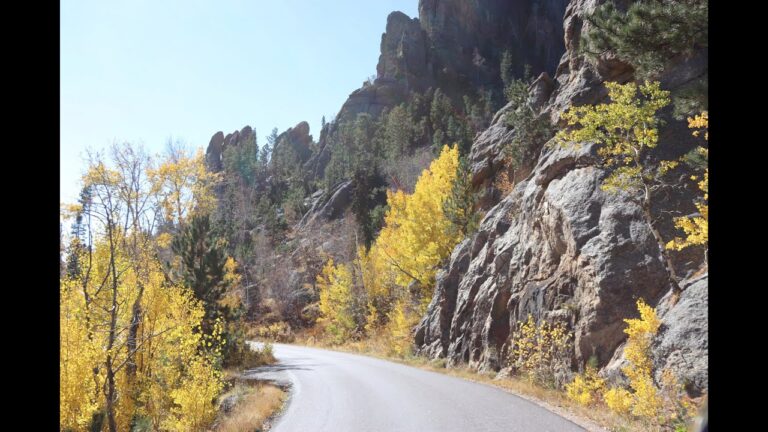
Travel in this region is shaped by geology, elevation, light, and distance. Scenic drives in the Black Hills feel different in early morning than they do at midday. Wildlife viewing in Custer State Park depends on season and weather patterns. A visit to Badlands National Park can feel crowded or expansive depending on the hour. Understanding those rhythms transforms a rushed visit into an intentional experience.
Here you will find guidance that supports real planning. Articles address common questions such as how many days in the Black Hills are ideal, the best time to visit the Badlands, where to stay near Rapid City, and how to structure a balanced . You’ll also find deeper context around geology, ecology, cultural history, and the unique landforms that define western South Dakota.
This travel blog exists to help you move beyond a checklist and toward travel that fits your pace, interests, and curiosity.
How to Use This Black Hills and Badlands Travel Blog
This Black Hills and Badlands Travel Blog functions as a planning tool. Each article answers a specific travel question, highlights a location with context, or supports better decision making during your South Dakota road trip.
If You’re Early in the Planning Process
Start with foundational resources that explain how the region fits together. The Black Hills and Badlands are often misunderstood as a single park, but they include national parks, state parks, scenic corridors, and culturally significant sites spread across significant distance.
Begin with broad planning articles and regional overviews that clarify:
Distances between major locations
Seasonal weather patterns in the Black Hills
Differences between Badlands National Park and Custer State Park
How to design a realistic Black Hills itinerary
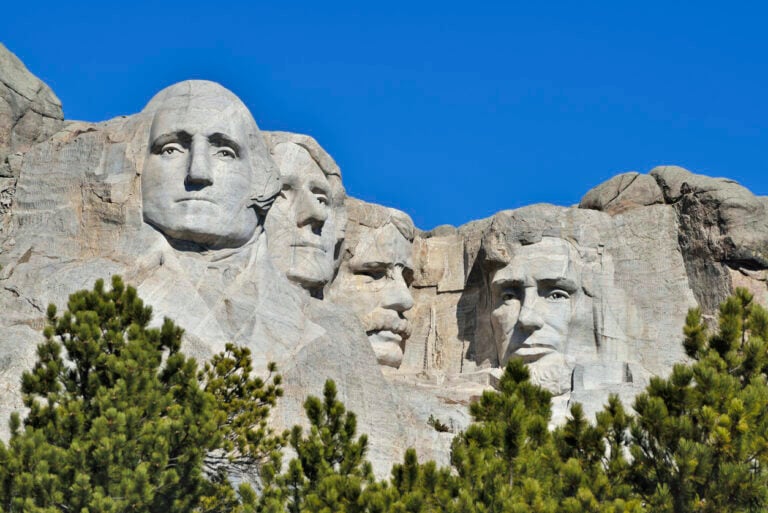
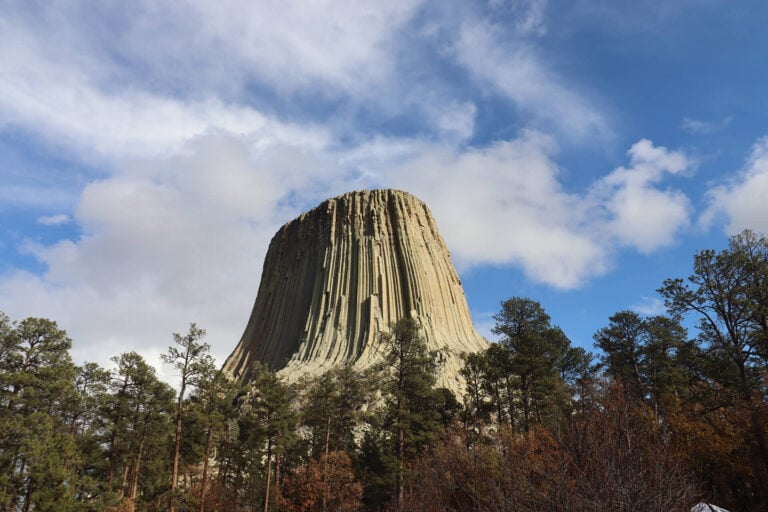
From there, move into focused travel guides for specific destinations such as Badlands National Park, Wind Cave National Park, Spearfish Canyon, Mount Rushmore, and Devils Tower. This layered approach builds clarity before you lock in daily plans.
If You’re Arriving Soon or Already Here
Use this travel blog to refine your days. Articles covering scenic drives in the Black Hills, best viewpoints in the Badlands, wildlife movement patterns, food options near major parks, and quieter locations help you adapt to real conditions on the ground.
Many posts are written with practical realities in mind:
This is especially valuable if you’re adjusting plans mid trip or trying to make the most of limited time in South Dakota.
Pairing Planning With Guided Insight
Some travelers prefer to combine independent research with guided expertise. Articles such as how to choose your Black Hills and Badlands tour explain when a private guided experience can simplify logistics, reduce stress, and provide deeper interpretation of geology, wildlife behavior, and cultural context.
Others dive into immersive educational pieces like detailed Wind Cave resources or wildlife guides that add ecological perspective often missed during quick visits.
This structure allows you to use the blog as both a Black Hills travel guide and a decision support tool.
Planning Beyond the Highlights
The Black Hills and Badlands reward travelers who look beyond the most photographed stops. Iconic landmarks matter, but the most meaningful moments often come from understanding timing, light, and place.
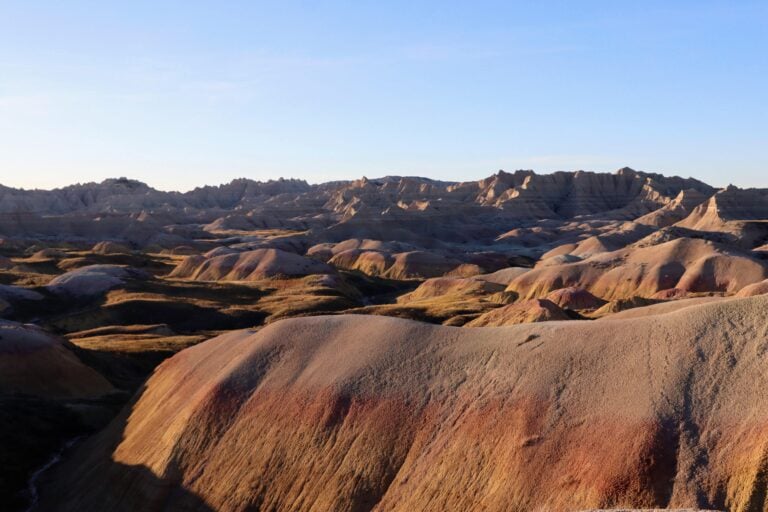
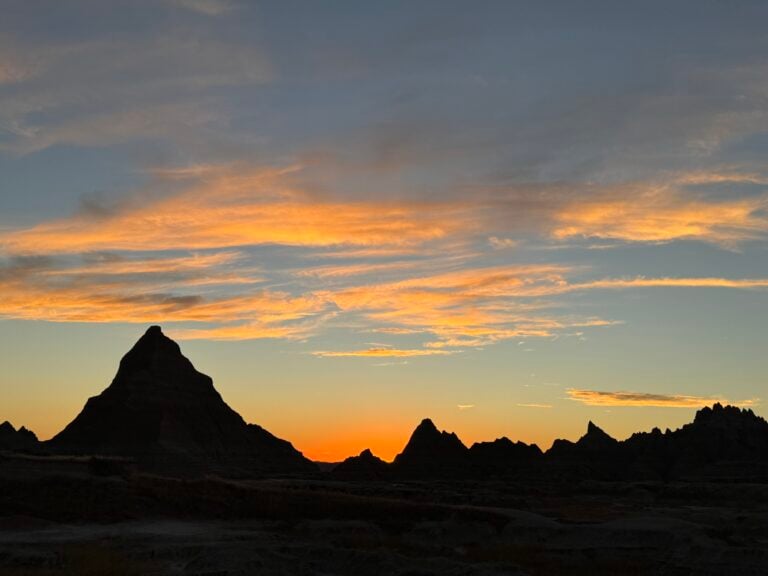
A sunrise in Badlands National Park feels different than an afternoon overlook. Wildlife in Custer State Park moves differently in summer than in early fall. Scenic routes in the Black Hills shift in mood depending on elevation and weather.
This travel blog helps bridge the gap between popular highlights and lived experience. It offers context rooted in direct observation rather than marketing language. That context allows you to:
Balance movement with stillness
Combine major landmarks with quieter spaces
Design a Black Hills and Badlands itinerary that feels natural
Avoid rushed schedules and unnecessary backtracking
The goal is not simply to help you see more. It is to help you see well.
Use these articles to build days that respect distance, season, and personal pace. If questions surface during planning, direct conversation often brings clarity faster than endless scrolling. This Black Hills and Badlands Travel Blog exists to support that process and to help you shape a South Dakota journey that feels grounded, personal, and genuinely connected to the land.