Beautiful Places to Visit in South Dakota
South Dakota rewards travelers who slow down and explore beyond the obvious stops. From the layered formations of Badlands National Park to the granite spires of the Black Hills, the landscape tells stories shaped by geology, wildlife, and deep cultural history. Many visitors arrive expecting a few famous landmarks and leave realizing how much more the region holds.
After years of guiding guests across western South Dakota, one thing becomes clear quickly: the most memorable experiences often come from understanding where to go, when to go, and what to notice once you arrive. The following destinations represent some of the most beautiful places in South Dakota, each offering a different window into the region’s landscapes, wildlife, and history.
Whether you’re planning a scenic road trip through the Black Hills or exploring the wide horizons of the Badlands, these locations reveal why this part of the country continues to surprise travelers who take the time to explore it well.
Badlands National Park
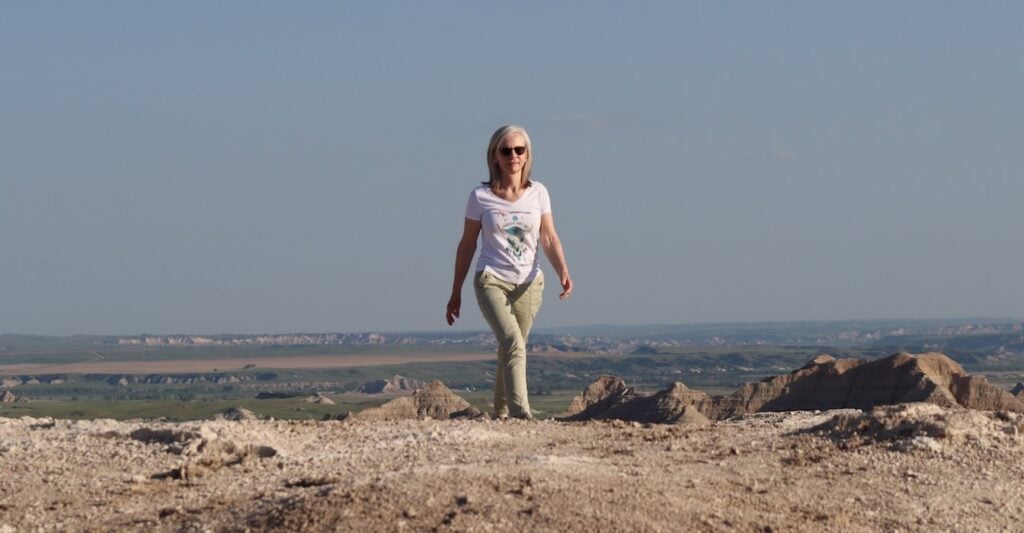
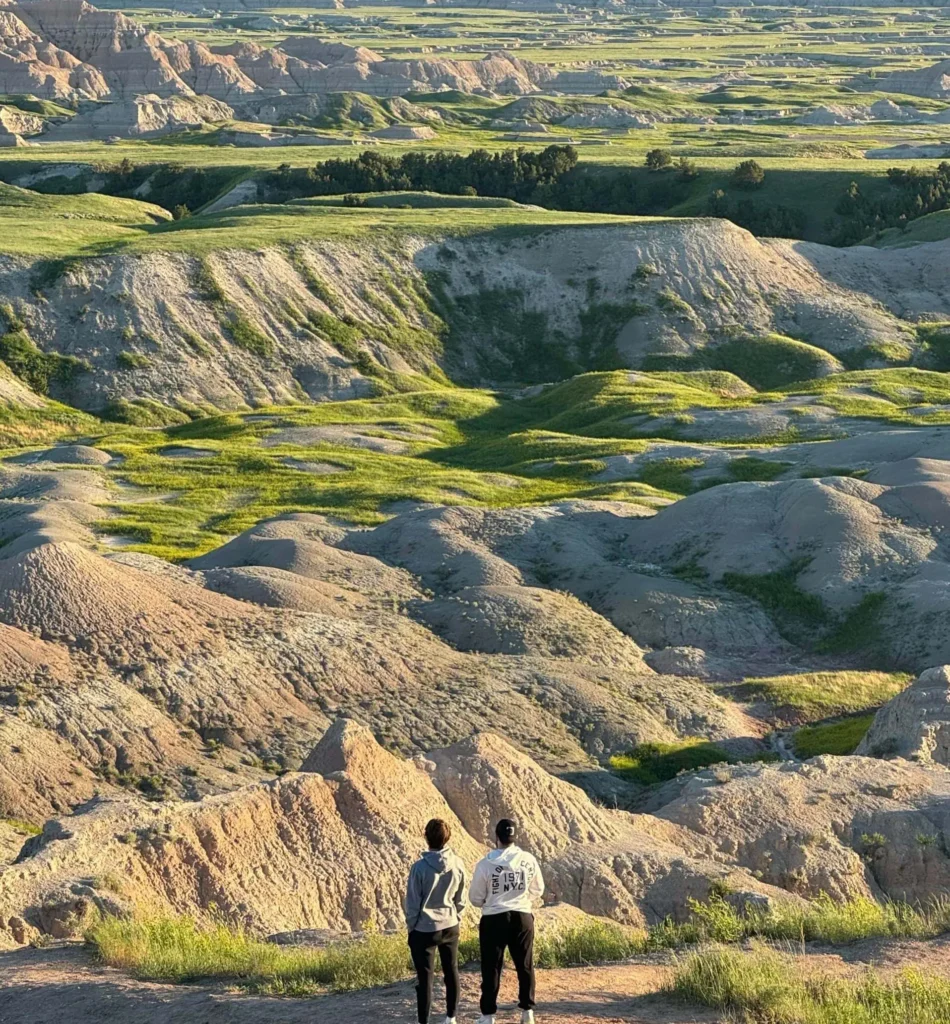
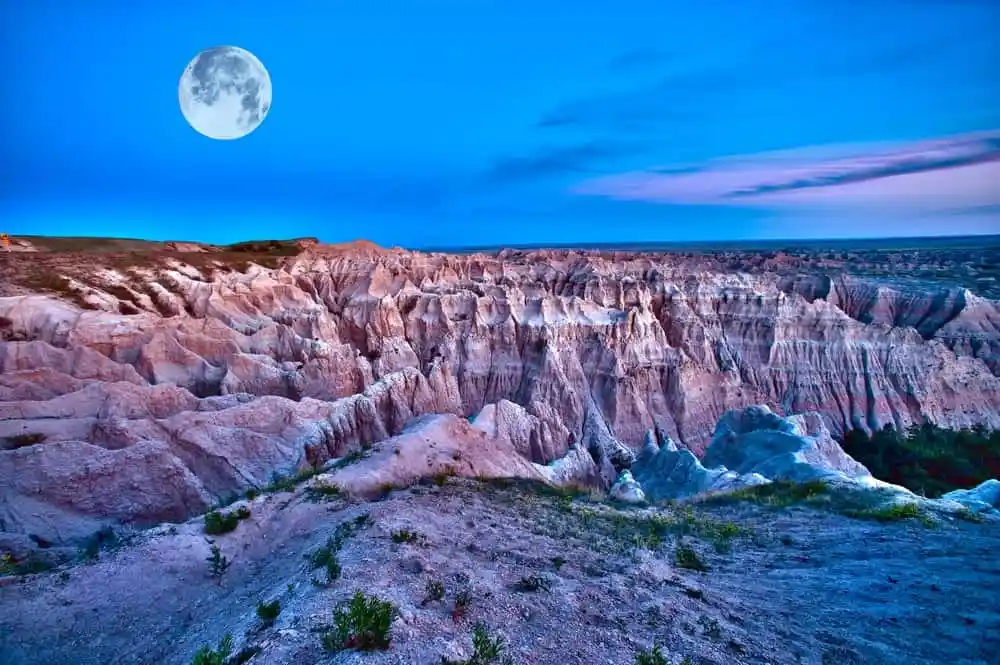
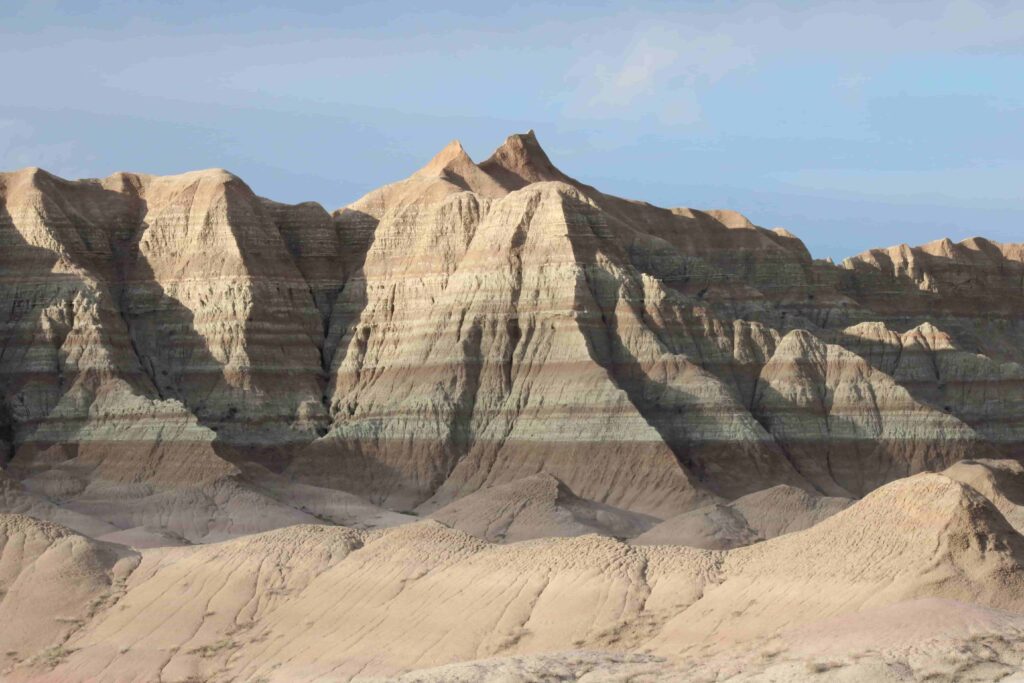
Few landscapes in North America feel as otherworldly as Badlands National Park. The formations rise in layered ridges of red, gold, gray, and lavender that shift dramatically with changing light. Early morning and late evening often reveal the most striking colors as shadows stretch across the ridge lines.
Many travelers begin their visit along Badlands Loop Road, where overlooks such as Big Badlands Overlook, Panorama Point, and Pinnacles Overlook provide sweeping views across the formations. These vantage points help visitors understand the scale of the landscape and the geologic forces that shaped it over millions of years.
Wildlife adds another layer of discovery here. Bison, bighorn sheep, prairie dogs, and pronghorn are frequently seen throughout the park and the surrounding Buffalo Gap National Grassland. Early morning and evening are usually the best times to observe animals moving through the grasslands and along quieter backcountry areas.
The park also holds one of the richest fossil beds in the world. Paleontologists continue to uncover remains of ancient mammals that lived here more than 30 million years ago, giving visitors a glimpse into a much older ecosystem preserved within the rock layers.
For travelers who want a deeper understanding of the landscape and the best chances of wildlife sightings, many visitors explore the park through experiences like the Badlands Wildlife Expedition or the evening-focused Badlands Sunset and Golden Hour Tour, which are designed around the park’s most active wildlife periods and dramatic lighting conditions.

Mount Rushmore National Memorial
Mount Rushmore National Memorial is one of the most recognizable landmarks in the United States, yet experiencing it in person often reveals details visitors rarely notice in photos. The monument’s massive granite faces rise from the Black Hills, representing Presidents Washington, Jefferson, Roosevelt, and Lincoln. The scale alone makes it an unforgettable stop on a South Dakota road trip.
Many visitors find that the story behind the monument adds depth to the experience. Understanding how the sculpture was carved into the granite mountainside and how the surrounding region connects to Lakota history helps visitors see Mount Rushmore through a broader historical lens.
The evening lighting ceremony is often the most memorable moment of a visit. As the sun sets and the memorial gradually illuminates, the atmosphere becomes quiet and reflective, offering a different perspective on a monument that millions travel to see each year.


Black Hills National Forest
The Black Hills National Forest stretches across more than a million acres of ponderosa pine forest, granite formations, and high mountain meadows. The landscape feels remarkably diverse, shifting from dense woodland to open ridgelines within only a few miles.
Many travelers come here for hiking, scenic drives, and photography. Trails wind through quiet forests where deer, turkeys, and other wildlife are frequently seen. Granite outcrops appear unexpectedly among the trees, creating dramatic viewpoints across the hills.
Exploring the forest slowly reveals why it holds such a strong place in regional identity. The Black Hills are considered sacred by the Lakota people and remain deeply connected to the cultural history of the area. Visitors who take time to explore the forest beyond the main highways often discover peaceful landscapes that feel far removed from busier tourist stops.
Custer State Park
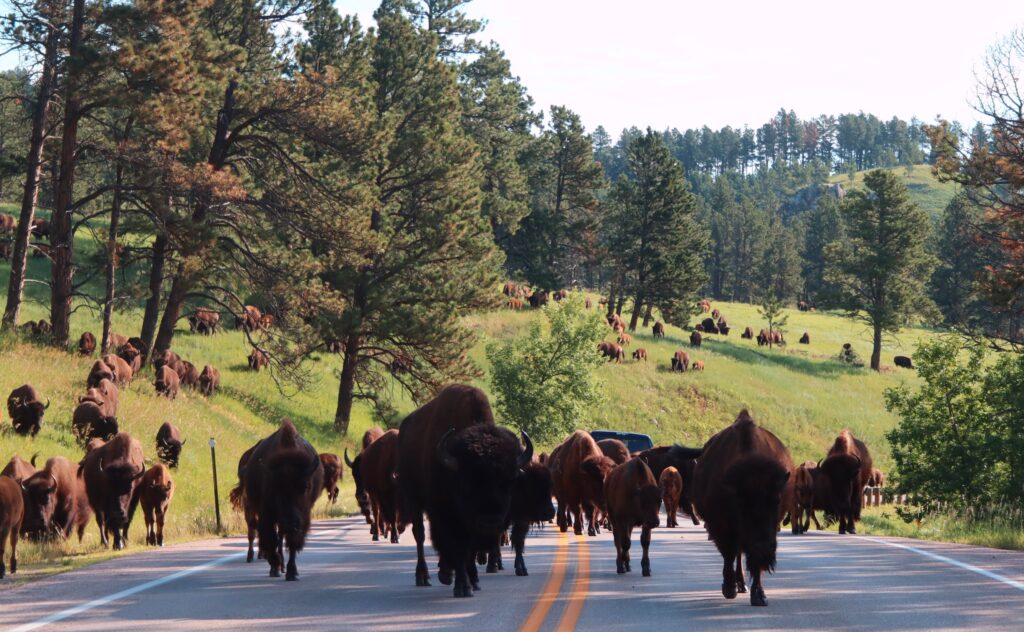
Custer State Park offers one of the most dynamic wildlife experiences in the Black Hills region. Herds of bison move across the grasslands while pronghorn, wild burros, and wild turkeys roam the rolling hills.
One of the best places to experience the park is along Wildlife Loop Road, where early morning light often reveals animals moving through the prairie. Watching the landscape come alive at sunrise is one of the moments many travelers remember most from their visit.
Sylvan Lake, surrounded by dramatic granite formations, provides another perspective on the park’s beauty. Visitors often enjoy walking the lakeshore trail, paddling across the calm water, or simply sitting along the rocks while the reflection of the surrounding cliffs shifts throughout the day.
The combination of wildlife, scenic drives, and peaceful landscapes makes Custer State Park one of the most rewarding destinations in western South Dakota.

Needles Highway
Few scenic drives in the United States feel as adventurous as Needles Highway. The narrow roadway winds through towering granite spires that seem to rise directly from the forest floor.
Driving the route requires patience and attention as the road passes through several one-lane tunnels carved directly into the rock. Each tunnel frames a new view of the landscape, revealing dramatic formations that photographers and road-trip travelers quickly learn to appreciate.
Late afternoon and early evening often provide the most dramatic lighting. As the sun lowers across the granite formations, the stone takes on warm tones that contrast beautifully with the surrounding pine forest.
Spearfish Canyon
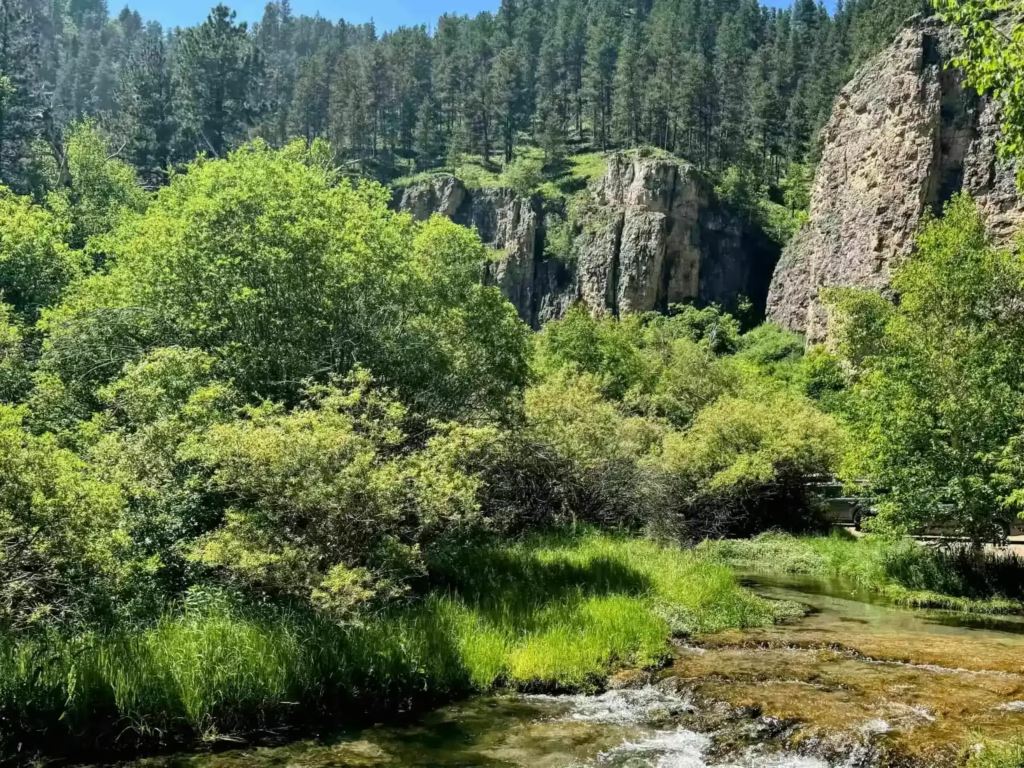
Spearfish Canyon offers a completely different atmosphere from the open landscapes of the Badlands. Towering limestone cliffs rise above a cool mountain stream that winds through dense forest.
Waterfalls are one of the highlights here. Bridal Veil Falls and Roughlock Falls provide peaceful places to stop along the canyon road and listen to water flowing over rock.
In autumn, the canyon becomes one of the most scenic places in the region as the aspen trees turn bright gold against the darker forest backdrop. Even outside of fall, the cool air and shaded cliffs make Spearfish Canyon feel like a quiet retreat from the open prairie.


Crazy Horse Memorial
Crazy Horse Memorial honors the Lakota leader Crazy Horse and represents one of the largest mountain carvings ever attempted. Unlike Mount Rushmore, the sculpture remains an ongoing project, giving visitors the opportunity to witness a monumental work still in progress.
The site also includes the Indian Museum of North America, which features artwork, cultural exhibits, and historical displays representing Native American cultures across the continent.
For many travelers, the experience becomes less about the sculpture itself and more about understanding the cultural heritage and stories connected to the region.


Deadwood
Deadwood preserves a vivid chapter of frontier history. The town developed during the Black Hills gold rush of the late 1800s and still reflects that era through historic buildings, museums, and preserved streets.
Walking through downtown Deadwood feels like stepping into the past. Visitors can explore historic saloons, learn about figures like Wild Bill Hickok and Calamity Jane, and visit sites that played a role in the region’s early development.
Today the town blends history with modern tourism, offering museums, restaurants, and historic landmarks that make it an interesting cultural stop while traveling through the northern Black Hills.
Wind Cave National Park
Wind Cave National Park protects one of the longest cave systems in the world. The cave is famous for its rare boxwork formations, delicate honeycomb-like patterns that appear throughout many of the underground chambers.
Guided cave tours allow visitors to explore sections of the cave while learning about the geology that created these unusual formations.
Above ground, the park protects a large expanse of mixed-grass prairie where bison, prairie dogs, elk, and pronghorn are commonly seen. The open prairie landscape provides a peaceful contrast to the underground world below.
Jewel Cave National Monument
Jewel Cave is another remarkable underground system in the Black Hills. The cave’s name comes from the sparkling calcite crystals that cover many of the cave walls.
Today it is recognized as one of the longest caves in the world, with new passages still being explored and mapped. Guided tours lead visitors through sections of the cave while explaining the geological processes that formed the crystals and chambers.
Above ground, the surrounding hills provide scenic views and opportunities to spot wildlife, including bighorn sheep that sometimes appear along the rocky slopes.
Buffalo Gap National Grassland
Buffalo Gap National Grassland stretches across wide prairie landscapes that feel almost limitless. Rolling hills of grass move gently with the wind while distant buttes rise along the horizon.
Many travelers are surprised by how peaceful this environment feels compared to the more dramatic landscapes of the Black Hills or Badlands. The openness invites slower exploration and offers excellent opportunities for photography.
Wildlife thrives here as well. Prairie dogs, pronghorn, burrowing owls, and numerous bird species live across the grasslands. The area also borders Badlands National Park, creating an ecological transition between rugged formations and open prairie.
Spending time here offers a deeper understanding of the prairie ecosystems that shape much of western South Dakota.
Peter Norbeck Scenic Byway
The Peter Norbeck Scenic Byway winds through some of the most dramatic scenery in the Black Hills. The route includes Needles Highway, Iron Mountain Road, and sections that reveal sweeping views across forested hills and granite formations.
Travelers often find that slowing down along this route leads to the most memorable moments. Scenic overlooks appear unexpectedly around curves, and wildlife sightings are common along quieter stretches of the drive.
For visitors exploring the Black Hills by car, this byway provides one of the best ways to experience the region’s changing landscapes.
Lake Oahe
Lake Oahe stretches for more than two hundred miles along the Missouri River, creating one of the largest reservoirs in the United States. The lake’s calm waters, sandy shoreline areas, and expansive skies offer a very different atmosphere from the mountains of the Black Hills.
Fishing, boating, and paddling are popular activities here, but many travelers come simply to enjoy the peaceful setting.
The area also carries deep cultural significance for the Standing Rock Sioux Tribe, and learning about the region’s history adds important context to the landscape.
The Mammoth Site
Located in Hot Springs, The Mammoth Site is one of the most significant paleontological discoveries in North America. The site preserves a sinkhole where dozens of Columbian mammoths became trapped thousands of years ago.
Visitors can see ongoing excavations and learn how scientists study the bones to understand ancient ecosystems. The combination of active research and public education makes this stop particularly engaging for travelers interested in natural history.
Bear Butte State Park
Bear Butte rises dramatically from the plains just outside the northern Black Hills. The mountain holds deep spiritual importance for many Indigenous tribes, including the Lakota and Cheyenne.
The hiking trail to the summit provides sweeping views across the surrounding plains and forested hills. Along the trail, visitors often notice prayer cloths tied to trees, reminders that the area continues to be used for ceremonies and spiritual reflection.
For travelers seeking places that inspire quiet contemplation, Bear Butte offers a powerful and meaningful landscape.

Traveling through South Dakota reveals a landscape shaped by deep time, resilient wildlife, and cultures that continue to give the region meaning. From the layered formations of Badlands National Park to the granite spires of the Black Hills and the quiet prairie horizons of Buffalo Gap National Grassland, each destination offers its own perspective on the natural beauty of the American West. Exploring these places slowly allows visitors to notice the details that make the region unforgettable: shifting light across ridgelines, wildlife moving through open grasslands, and the stories carried within historic towns and sacred landscapes. For travelers seeking both scenic beauty and meaningful connection to the land, South Dakota rewards curiosity and thoughtful exploration at every turn.
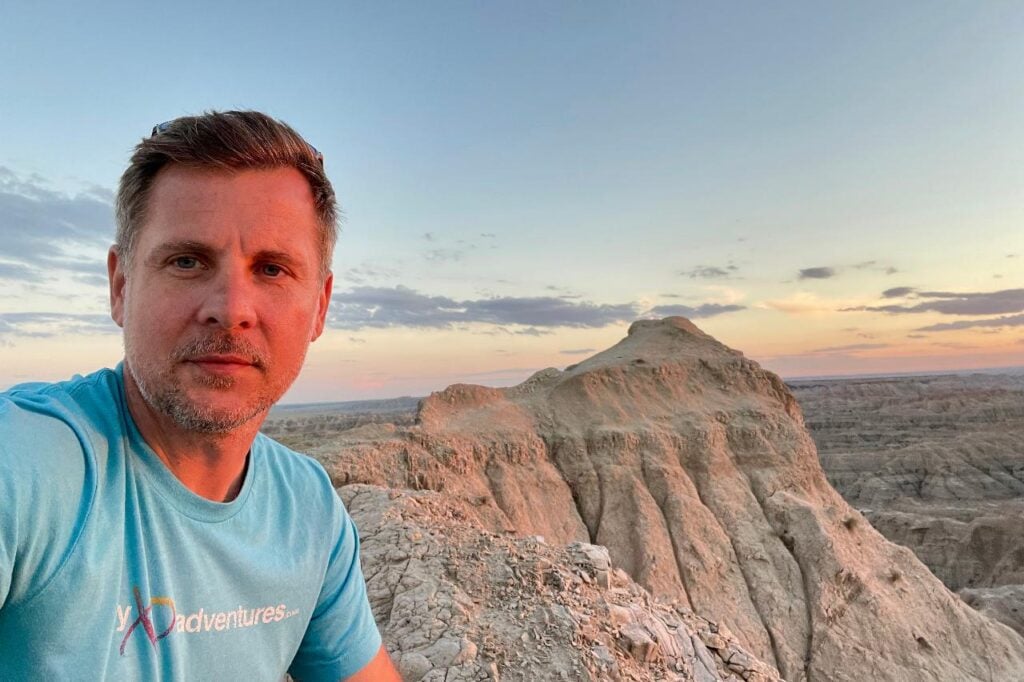
About Daniel Milks
Owner and lead guide at My XO Adventures in Rapid City, South Dakota
Daniel Milks is the owner and lead guide of My XO Adventures, based in Rapid City, South Dakota. He leads private days through the Black Hills and Badlands built around wildlife behavior, geology, local history, and photo worthy stops, with a calm pace that leaves room for real discovery. Each route is shaped around your interests, current conditions, and simple, practical planning so your day feels easy, personal, and genuinely local. My XO Adventures tours include admission fees for the parks, monuments, and memorials on your itinerary. Learn more about Daniel on his bio page.