
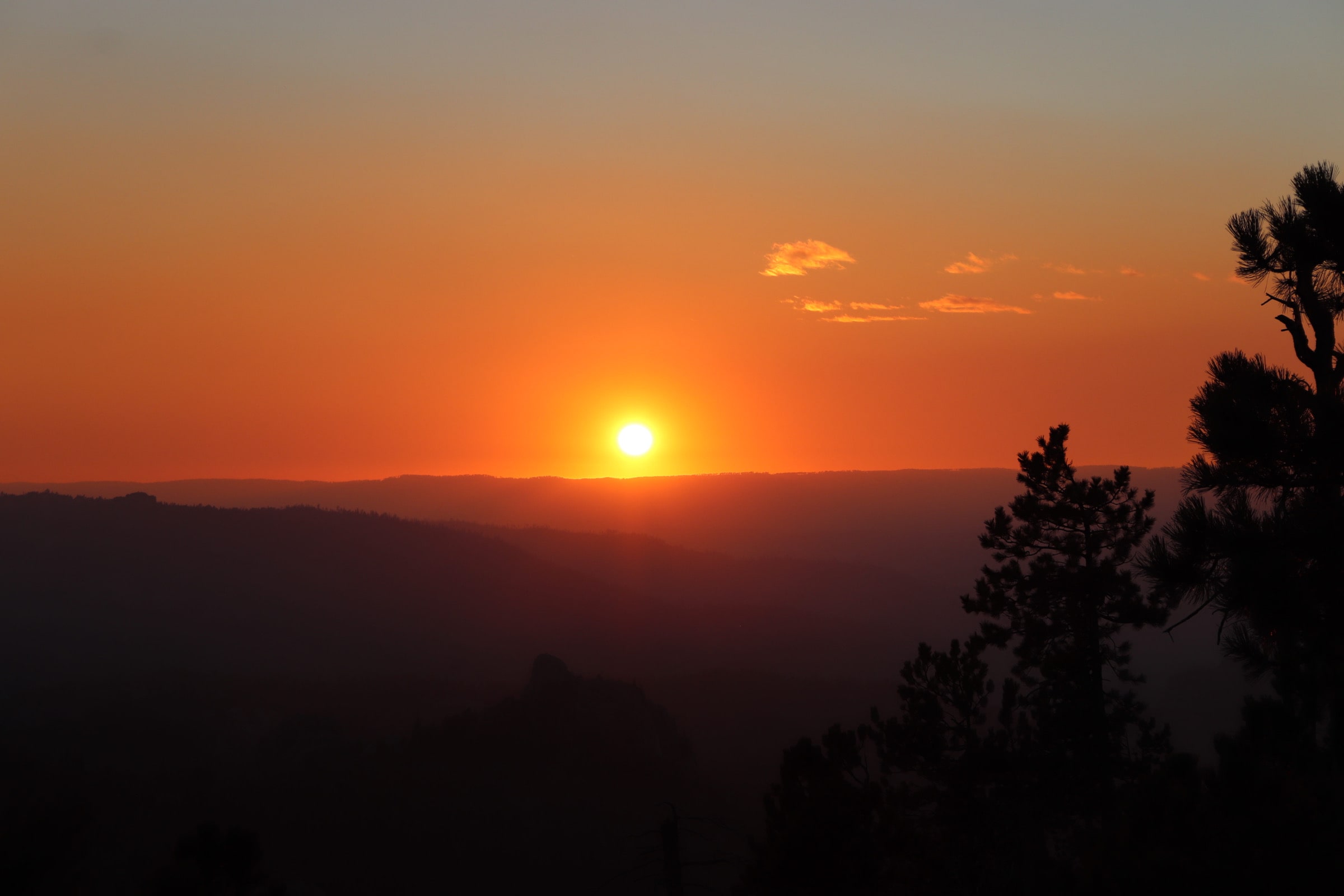
The Black Hills and Badlands hold Sacred Sites that carry deep meaning for many Indigenous Nations. These are landscapes shaped by story, memory, and a living connection that continues today. Visitors often describe a quiet shift they feel when they step into these areas, as if the land itself asks for a slower step and a softer voice. This page offers a thoughtful introduction to sacred sites in the region so travelers can move with awareness, respect, and a sense of gratitude. Many of these holy places are located in our Parks, Monuments, and Protected Lands in the Black Hills and Badlands.
How sacred sites fit within the larger cultural landscape
Simple, respectful practices visitors can follow
Why certain places feel significant even without markers
How seasons, light, and atmosphere shape the experience
Ways to prepare yourself before visiting
Insight from the field based on real guiding experience
Created in partnership with the guiding philosophy of My XO Adventures, this resource is designed to help guests explore with care and curiosity.
Plan a meaningful visit with My XO Adventures and explore the Black Hills and Badlands with a guide who honors the land and its stories.
Many sacred sites in the Black Hills and Badlands aren’t defined by a single marker or structure. They live within the land itself, shaped by story, memory, and the communities who remain connected to them today. This region is known as Pahá Sápa to the Lakota, and for many Indigenous Nations, it’s the center of the world, a place where the physical and spiritual meet in a living way. When you understand this, the land feels different. You slow down, notice small details, and sense a quiet presence that doesn’t need signs to announce itself.
Visiting with this awareness helps you move through the region with more care. A softer voice, a slower step, and a willingness to listen create a more meaningful experience. You’ll find that learning a little about Indigenous History and Cultural Perspectives before arriving can deepen your understanding. Trusted sources like the National Park Service and the Oglala Lakota College Archives offer helpful context. When you explore with openness, you honor both the land and the people who continue to care for it.

The Black Hills aren’t sacred because of one single landmark. The entire region carries a sense of presence that many visitors feel the moment they arrive. Peaks rise like guardians, meadows open into wide breathing spaces, and quiet forests create places for reflection. For many Indigenous Nations, these aren’t just beautiful landscapes. They’re relatives, teachers, and sources of strength that continue to shape life and identity today. When you explore with this in mind, even a simple walk can feel more intentional and meaningful.
Certain high points, calm valleys, and forested areas hold particular roles in traditional stories and practices. You may not see signs or markers explaining them, yet you’ll feel something shift in the light or in the stillness of the air. Taking time to learn from Indigenous History and Cultural Perspectives helps these places come into more precise focus. Visitors who approach them with humility often report leaving with a more profound sense of connection. You can explore more through trusted cultural resources, the National Park Service, and local tribal museums that share context with care.

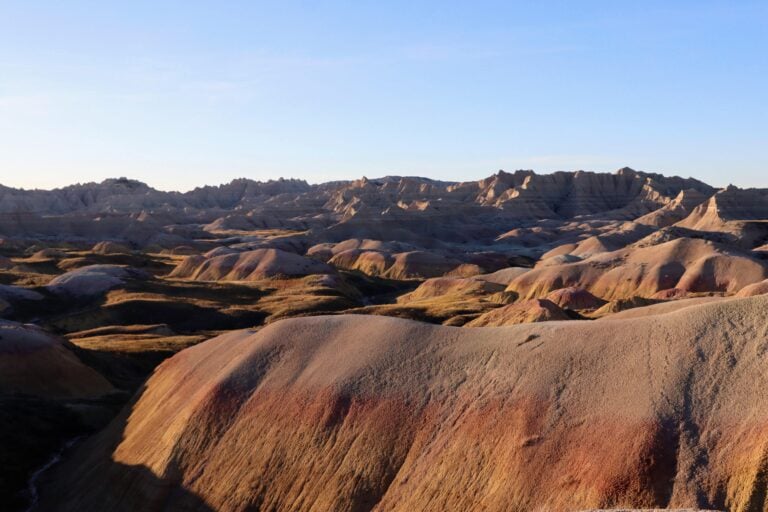
The Badlands often surprise visitors. At first glance, the rugged formations can feel harsh or quiet in a way that’s hard to interpret. Yet many people who spend time here discover that the Badlands teach through stillness, space, and the long sweep of geologic time. The land opens into views that stretch for miles, and the silence invites you to listen differently. For many Indigenous communities, these formations carry stories, lessons, and memories that guide how people relate to the world around them.
Sacred places in the Badlands aren’t always marked, and meaning may rest in a single ridge, a narrow valley, or a viewpoint that looks ordinary until you stand in it. Visitors who pause, breathe, and feel the character of the landscape often say something inside them settles. You’ll find the experience becomes even richer when paired with the Geology, Ecology, and Indigenous History guides in the Visitor Learning Center. For additional context, many travelers explore tribal-run cultural websites and regional museums that share perspectives rooted in lived experience. Approaching the Badlands with curiosity instead of expectation often opens the door to insight.
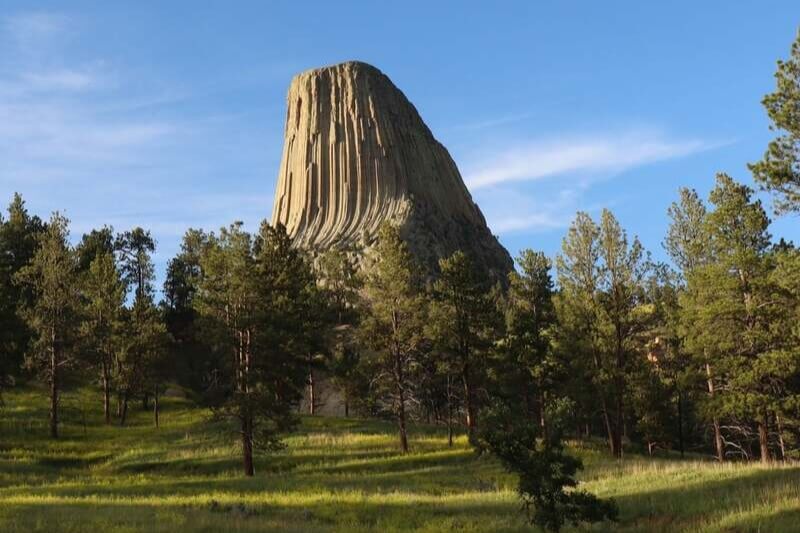
Bear Lodge rises from the prairie in a way that feels both sudden and deeply grounded. Many visitors first know it as Devils Tower, but the name Bear Lodge reflects a much older relationship between this land and the Indigenous Nations who continue to honor it. The tower holds cultural, spiritual, and historical significance that reaches far beyond its dramatic form. When you see it up close, the cliffs seem to carry a quiet strength that encourages visitors to pause, breathe, and acknowledge the long thread of meaning woven through this place.
Visiting Bear Lodge with care means recognizing the many purposes the area serves. Hikers, sightseers, climbers, and those arriving for spiritual reasons share the same ground, so moving with intention helps protect everyone’s experience. At certain times of year, climbing restrictions support cultural practices associated with the site’s long-standing significance. Reading the posted guidance at the monument and exploring perspectives from tribal cultural organizations can deepen your understanding of why this place continues to matter. You’ll also find helpful context in the Indigenous History and Cultural Perspectives guide within the Visitor Learning Center.

Sacred sites across the Black Hills and Badlands shift in character as the seasons change. Light, temperature, and even the sound of the wind can shape how these places feel. Spring brings a sense of renewal as plants return and animals move more openly. Summer carries longer days that encourage visitors to linger and notice details they might otherwise miss. Fall brings color and calm, while winter often reveals the land in its most quiet, contemplative form. Each season offers a different way to understand the connection between people and place.
For many Indigenous communities, certain times of year carry cultural significance tied to ceremony, gathering, or reflection. You may notice prayer ties, cloth bundles, or signs of quiet spiritual activity in some areas. Moving carefully around these items, staying on established paths, and keeping your presence gentle helps protect the purpose of those spaces. If you’re planning a visit, reviewing guides such as Weather, Travel Tips, and Indigenous History and Cultural Perspectives can help you understand how the land’s seasonal rhythms shape the experience. Approaching these sites with awareness invites a deeper sense of connection.
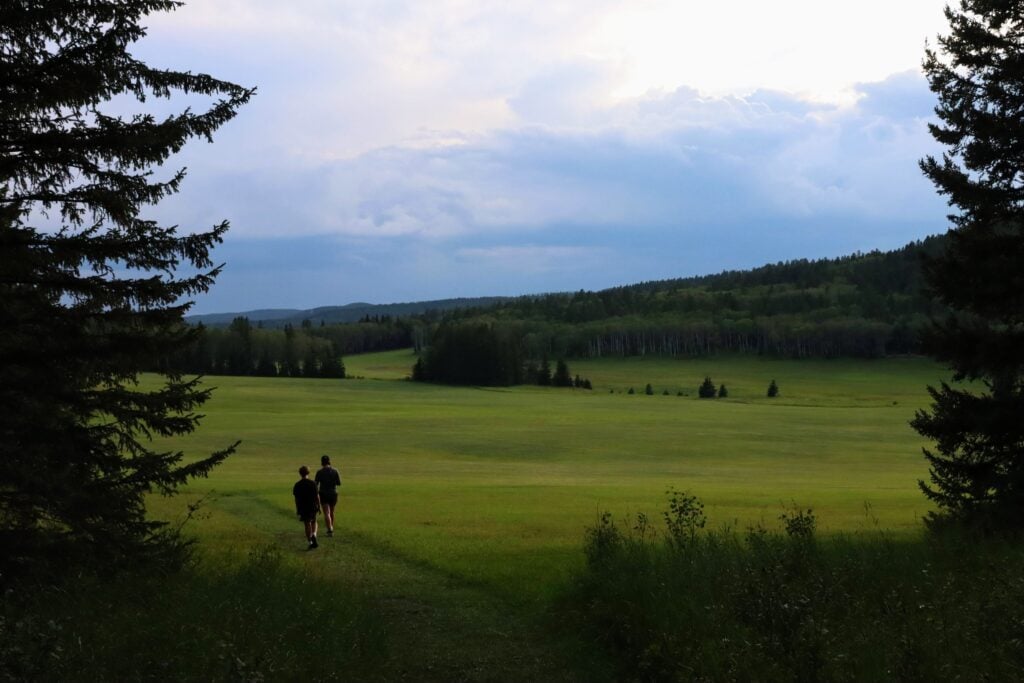
Visiting sacred sites along with the Parks, Monuments, and Protected Lands in the Black Hills and Badlands is a meaningful experience when you approach each place with care. These landscapes carry long histories, living stories, and ceremonial significance, and your presence becomes part of that ongoing relationship. Responsible visiting isn’t complicated. It begins with slowing down, paying attention, and moving with the same respect you’d show in someone’s home. Small choices such as speaking softly, staying on trails, and observing boundaries help protect both the land and the people who continue to honor it today.
You’ll also notice that some areas contain prayer ties, cloth bundles, or other spiritual items. These are part of active cultural practice and deserve space. Not touching, photographing, or approaching them closely preserves their purpose. When you’re unsure how to behave, choosing the quieter, gentler option is almost always right. Before visiting, you might explore pages such as Safety and Preparation, Indigenous History and Cultural Perspectives, and Travel Tips to feel grounded and informed. If you want deeper cultural insight, regional tribal museums and cultural websites share perspectives rooted in lived experience.

Preparation for sacred sites goes beyond packing a day bag. It starts with the mindset you bring to the land. These places hold centuries of connection, and arriving with curiosity, humility, and a willingness to listen sets the tone for a more meaningful experience. Before you begin your visit, take a moment to consider how you want to show up. A slower pace, a softer voice, and a gentle awareness of your surroundings can change how you feel in the space and how the space responds to you.
Practical preparation matters too. Checking the Weather guide helps you understand how the seasons shape the land, while the Safety and Preparation and Travel Tips sections offer simple ways to visit with confidence and care. You might also spend a few minutes learning from Indigenous History and Cultural Perspectives, so you step into these landscapes with a deeper sense of respect. Carrying questions such as “How can I move as a guest here?” or “What can I learn by observing quietly?” often helps visitors feel more grounded and open.

Many visitors arrive in the Black Hills and Badlands expecting beauty, but they’re surprised by what they feel. Sacred places have a way of creating stillness inside you, even on busy days. Some travelers describe a sense of calm that settles in without warning. Others feel a quiet pull to pause, breathe, and take in the land with more attention than usual. These moments aren’t dramatic. They’re gentle reminders that the land carries meaning, and that you’re stepping into a space where countless generations have found strength, healing, and guidance.
Emotional responses vary from person to person. You might feel peaceful, thoughtful, curious, or simply more aware of your surroundings. Sometimes the land invites reflection, and sometimes it encourages gratitude. There’s no right way to experience a sacred place. When you allow yourself to slow down and listen, the landscape often meets you in ways you didn’t expect. If you’d like more context before your visit, pages such as Indigenous History and Cultural Perspectives or Unique Landforms can help you understand how these feelings relate to the region’s stories and character.
Sacred places in the Black Hills and Badlands are part of a living cultural landscape, not just beautiful scenery. These answers give you clear, respectful guidance so you can move through these areas with awareness, care, and a deeper sense of connection.
A sacred place holds spiritual, cultural, or historical meaning that comes from long relationships between Indigenous Nations and the land. The significance is often carried through story, ceremony, memory, and lived connection, not through monuments or signs.
You often won’t know in a literal way, which is why respectful behavior matters everywhere. A good approach is to assume some places carry meaning you may not fully understand and to move with humility by staying on established paths, keeping voices low, and avoiding disruptive behavior.
Slow down, speak softly, stay on trails, and leave the place unchanged. Treat the land the way you would treat someone’s home: with care, awareness, and no expectation that everything is “for you.”
It’s best not to. Offerings belong to specific cultural traditions, and visitors can unintentionally cause harm by leaving objects behind. The most respectful “offering” is leaving no trace, giving space, and visiting with gratitude.
Give them space and do not touch or move them. These items are part of active spiritual practice and carry personal or community meaning. Think of them as private, even when they’re visible.
Not always. Avoid photographing ceremonies, prayer items, or moments of grief or reverence. Even in public areas, pause and consider the context before taking a photo, and choose restraint when you’re unsure.
Some locations are spiritually significant, ecologically fragile, or both. Restrictions help protect cultural integrity, prevent erosion, and reduce the “theme park” effect that can damage a place’s character.
Seasons shape light, sound, and atmosphere. Winter can feel quiet and contemplative. Spring and summer can feel more alive and open. Even without knowing the deeper cultural layers, visitors often notice that these places ask for a different pace depending on conditions.
Curiosity without entitlement. You don’t need to “understand everything” to visit respectfully. A willingness to listen, observe, and be present often creates a more meaningful experience than trying to explain or capture every moment.
Tell them some places are deeply important to other people, and that respect means using quieter voices, gentle behavior, and careful movement. Kids usually understand quickly when you frame it as kindness and consideration.
These short definitions help visitors understand important words connected to the cultural and spiritual landscape of the Black Hills and Badlands. Clear language supports a more respectful and meaningful visit.
• Sacred Site
A place that holds spiritual, cultural, or historical meaning for Indigenous Nations. These locations are connected to stories, teachings, and long standing relationships with the land.
• Pahá Sápa
The Lakota name for the Black Hills. Often translated as “the heart of everything that is,” it reflects a deep spiritual and cultural relationship with the region.
• Prayer Tie
A small cloth bundle created for prayer or ceremony. These items are not decoration. They hold personal or collective meaning and should be given space and respect.
• Ceremonial Closure
A period when access, climbing, or certain activities are limited to support cultural practices. These closures honor traditions that continue today.
• Cultural Landscape
A natural area shaped by stories, families, history, and living traditions. The land itself is part of cultural identity and meaning.
• Offerings
Items placed for prayer, gratitude, or connection. Visitors should not touch or photograph them and should avoid leaving their own unless invited as part of a cultural tradition.
These simple facts help visitors understand the deeper meaning of sacred sites across the Black Hills and Badlands. They offer clear insight you can carry with you during your visit.
Many sacred places aren’t marked by signs. Their meaning comes from long-standing relationships between Indigenous communities and the land.
Seasonal changes influence how sacred sites feel, shaping light, sound, and the emotional character of the experience.
Prayer ties, cloth bundles, and other items are part of active spiritual practice and should be given space.
Moving slowly, speaking softly, and staying on trails are some of the most important ways to visit responsibly.
The Black Hills, known as Pahá Sápa, hold significance for many Indigenous Nations who continue to honor these places today.
Understanding cultural perspectives before arrival deepens the connection you’ll feel when exploring the region.
Sacred places reveal themselves in quiet ways. During early morning tours, I’ve watched the first light spill across the hills and soften everything it touches. There’s a moment when the land feels awake but not fully bright, and visitors naturally slow their steps without being told. You can sense the shift. The Black Hills have a way of inviting you into stillness, and guests often tell me it feels like the landscape is asking for calm attention rather than explanation. I’ve learned to let those moments breathe because the land is doing the teaching.
One afternoon near the Badlands, a guest paused at an overlook and said the place felt both ancient and alive. They couldn’t describe it exactly, but they felt connected in a way they didn’t expect. Moments like this remind me that sacred places don’t need signs to speak. When you approach with openness and a willingness to listen, the land meets you halfway. It’s one of the reasons I guide with care. These sites deserve it, and visitors often find that this slower way of exploring stays with them long after the tour ends.
This page was written by Daniel, owner and guide at My XO Adventures. Daniel has spent years exploring the Black Hills, Badlands, and surrounding country while sharing stories, context, and quiet moments with guests from around the world. His approach to guiding comes from a belief that travel should invite curiosity, kindness, and connection to both land and people.
Daniel continues to deepen his understanding of the region by listening, learning, and spending time in the places that hold meaning for many Indigenous Nations. You can learn more about his background, philosophy, and approach to guiding on the Author Page.

If you’d like to deepen your understanding of the region, the Visitor Learning Center offers guides that help you see the Black Hills and Badlands with more clarity and care. Each topic adds a different layer, giving you a fuller sense of the land, its stories, and the wildlife that shares it.
You can explore Wildlife, Geology, Ecology, Indigenous History and Cultural Perspectives, Unique Landforms, Weather, Travel Tips, Safety and Preparation, and other learning pages that support thoughtful travel. These guides work together to create a complete picture of the places you’ll explore, helping you feel grounded and informed before you arrive.
If you feel drawn to explore the sacred places of the Black Hills and Badlands, My XO Adventures would be honored to guide you. We move through these landscapes with respect, curiosity, and a commitment to sharing thoughtful, meaningful experiences. Every tour invites a deeper sense of presence, connection, and understanding.
Book a guided experience with My XO Adventures to explore the region with someone who knows the land, honors its stories, and cares about how your time here unfolds.