
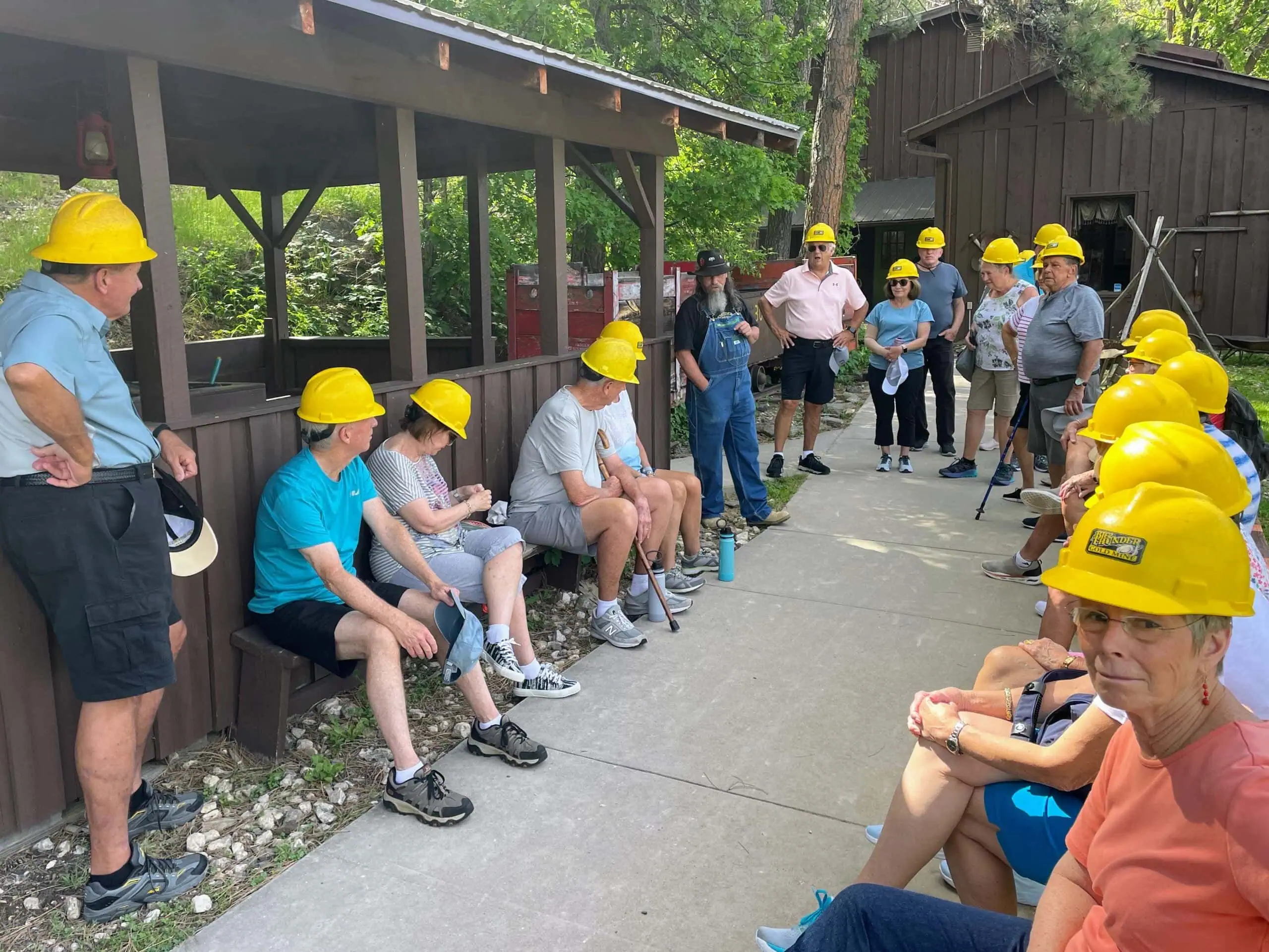
Safety in the Black Hills and Badlands is less about danger and more about understanding how the land works. Terrain changes quickly, weather shifts across short distances, and wildlife moves according to patterns that don’t follow human schedules. When visitors understand these rhythms, safety becomes a natural part of the experience rather than something to worry about.
This page is part of the Visitor Learning Center created by My XO Adventures. It exists to help guests feel prepared before they arrive, so their time here feels steady, comfortable, and unhurried. Safety here isn’t about rules or restrictions. It’s about awareness, respect, and learning how to move well through a living landscape.
You’ll learn how to move confidently across different types of terrain, understand appropriate wildlife distance, manage heat and sun exposure, stay oriented, and recognize when to slow down or adjust plans. These insights are meant to support comfort and clarity, not limit exploration.
When safety becomes second nature, curiosity and connection have room to grow.

The ground beneath your feet changes often in the Black Hills and Badlands, sometimes within a single stop. Clay soils in the Badlands can feel firm when dry and slick after moisture. In the Black Hills, trails may include exposed roots, loose gravel, or sloped rock shaped by water and freeze-thaw cycles.
Safe movement comes from paying attention rather than moving quickly. Watching where you place each step, choosing stable ground when stopping, and adjusting pace based on conditions helps prevent small missteps from becoming distractions. Footing is influenced by weather, light, and fatigue, which is why awareness matters more than footwear alone.
This understanding connects naturally with the Geology and Ecology sections of the Visitor Learning Center, where soil, rock, and plant systems explain why the land behaves the way it does.

Wildlife encounters are most meaningful when they’re quiet and unforced. Animals in the Black Hills and Badlands are not accustomed to close approach, and even calm behavior can change quickly if space feels limited.
Maintaining distance allows animals to move naturally and keeps visitors safe. If an animal alters its behavior because of your presence, that’s a signal to step back. This applies to large animals like bison and elk, as well as smaller species, especially during nesting or when young are present.
Weather, time of day, and season all influence wildlife movement. Learning these patterns through the Wildlife and Weather guides in the Visitor Learning Center helps visitors anticipate activity rather than seek it out aggressively. Patience, observation, and space create safer and more rewarding experiences.

Heat and sun exposure affect visitors more often than any other safety factor, especially in the Badlands where shade is limited. Even on cooler days, dehydration and fatigue can build gradually as sun and wind increase physical demand.
Regular hydration, light layers, and planned pauses help energy remain steady throughout the day. Sun exposure influences comfort independently of temperature, which means overcast conditions can still lead to fatigue. Paying attention early allows visitors to adjust naturally rather than react later.
This awareness connects closely with the Weather and Travel Tips sections of the Visitor Learning Center, where pacing and daily planning are explored in more detail.

The weather in this region is shaped by elevation, airflow, and open terrain. Wind can increase suddenly, clouds may lower temperatures quickly, and conditions can feel very different between exposed and sheltered areas.
Checking the forecast is helpful, but awareness during the day matters more. Noticing changes in wind direction, light, and temperature allows visitors to adjust clothing, routes, or timing without stress. Weather awareness works best when treated as ongoing observation rather than a single decision made in advance.
This section complements the Weather guide in the Visitor Learning Center, which explores seasonal and daily patterns in more depth.

Many experiences in the Black Hills and Badlands involve scenic roads. These routes are shaped by curves, elevation changes, wildlife crossings, and limited shoulders, which means attention matters more than speed.
Using designated pullouts, slowing early, and remaining aware of other vehicles helps keep stops safe and predictable. Wildlife often crosses roads during early morning and evening hours, and changing light can affect visibility quickly.
This awareness connects closely with Travel Tips and Weather, where timing and route planning are discussed in more detail.

The landscape here invites exploration, but safe experiences rely on knowing when to pause, turn back, or adjust plans. Distance, elevation, and exposure can feel subtle at first and accumulate over the course of a day.
Staying oriented means paying attention to landmarks, signage, time, and energy rather than pushing toward a fixed goal. Turning back early is often a thoughtful choice, not a missed opportunity. This mindset supports comfort and clarity throughout the day.
This approach connects naturally with Travel Tips and Preparation, where pacing and planning are explored further.
Most visits unfold smoothly, but basic preparedness adds confidence. Cell service can be limited in certain areas, especially in the Badlands and along forest roads.
Sharing plans, noting locations, and carrying basic essentials create a quiet layer of readiness. If assistance is needed, remaining visible and calm supports an effective response. Emergency awareness here is about preparation, not expectation.
This section works alongside the Preparation guide in the Visitor Learning Center, where practical planning habits are covered more fully.

• Let terrain and conditions guide your pace
• Observe wildlife quietly and from a respectful distance
• Carry water and drink regularly throughout the day
• Pay attention to sun, wind, and temperature changes
• Use designated trails and pullouts whenever possible
• Adjust plans early if comfort or conditions change
Small choices made consistently support safer, more enjoyable experiences.

Before you explore the Black Hills and Badlands, these answers will help you feel prepared, confident, and comfortable in the landscape — not afraid of it. Safety here is about awareness, not restriction.
Safety isn’t just about avoiding hazards — it’s about understanding how the land works. The Black Hills and Badlands shift quickly from forested slopes to open terrain, and conditions change with sun, wind, and elevation. Learning these rhythms keeps you steady and confident.
No specialized equipment is required. A few thoughtful items make a big difference:
Comfortable sturdy shoes
Sun protection (hat, sunscreen, sunglasses)
Water for hydration
Layered clothing for changing temperatures
These support comfort and help you move with awareness through varied terrain.
Animals in this region are wild — even if they look calm. If an animal changes behavior because of your presence, you’re too close. Give space, observe quietly, and never chase interactions. Watching from a respectful distance protects both you and the animals.
Trails and ground surfaces vary widely:
Clay soils can be firm when dry but slippery when wet
Black Hills forest trails may have roots and loose gravel
Rock slabs can be uneven
Rather than fixing on footwear alone, pay attention to where you step and adjust pace based on conditions.
Weather here changes rapidly. Wind can rise quickly, temperatures can swing with elevation and shade, and rain can make surfaces slick. Checking a forecast is a start, but ongoing awareness through the day gives you the best edge.
No — cell service can be limited, especially in the Badlands or on forest roads. Plan with that in mind:
Share your route before you head out
Don’t depend on real-time navigation everywhere
Carry essential printed info or screenshots if possible
When conditions shift, the safest choice might be to slow down, move to shelter, or adjust your plan early. Turning back early or choosing shade during heat helps maintain comfort and clarity throughout your day.
Yes — but only if you use designated pullouts, slow down early, and remain aware of oncoming traffic and curves. Wildlife is often most active during early morning and evening, so slower speeds and careful observation make pulls safer.
Heat, sun exposure, and dehydration are more common than many visitors expect, especially in the Badlands where shade is limited. Regular hydration and light pauses make a big difference in comfort.
The Safety guide works best when paired with other Visitor Learning Center resources:
Weather patterns — what to expect each season
Travel tips — pacing your day
Preparation — clothing, water, and planning
Together they let you move through the landscape with awareness instead of worry.
The following resources offer reliable, region-specific information that complements what you’ve learned in this guide. These sources are well-established and provide up-to-date details that can support trip planning and on-the-ground awareness.
• National Park Service – Badlands National Park
Provides safety guidance, wildlife awareness information, trail conditions, and seasonal advisories specific to the Badlands.
• Black Hills National Forest
Offers information on trail access, forest road conditions, weather-related closures, and general safety considerations across the Black Hills.
• South Dakota Game, Fish and Parks
A helpful resource for understanding wildlife behavior, outdoor safety practices, and park conditions across the state.
• National Weather Service – Rapid City Forecast Office
Reliable forecasts, weather alerts, and regional climate context that reflect local terrain and conditions.
These resources work best when paired with the broader learning found in the Weather, Travel Tips, and Ecology sections of the Visitor Learning Center.
This safety guide was written by Daniel Milks, the founder and lead guide of My XO Adventures, a locally owned guiding company rooted in the Black Hills and Badlands. Years of guiding guests through this region in all seasons have shaped a clear understanding of how terrain, weather, wildlife, and pacing work together to create safe and meaningful experiences.
The Visitor Learning Center was created to share that understanding before guests arrive. These pages are designed to help visitors feel prepared without feeling restricted, informed without feeling overwhelmed. Safety, in this context, becomes a quiet foundation that supports curiosity, connection, and enjoyment.
Every guide reflects time spent outdoors, paying attention to small details that make a real difference in comfort and confidence. This page is one part of a larger effort to help visitors move through the land with awareness and respect.
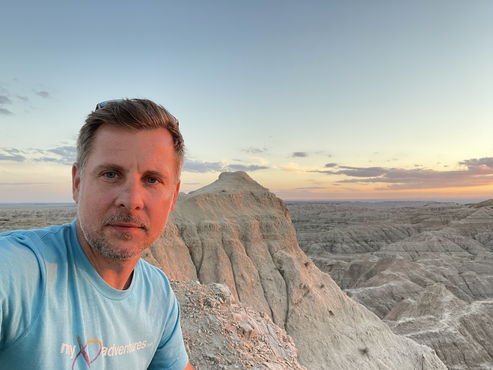
Safety is one piece of understanding how the Black Hills and Badlands work. The Visitor Learning Center was created to help visitors learn before they arrive, offering clear, practical insight into the land, wildlife, and experiences that shape each day.
You may want to continue with Weather to better understand changing conditions, Travel Tips for pacing and comfort, or Wildlife to learn how animals move through the landscape. Each guide is designed to stand on its own while also fitting into a broader understanding of the region.
Together, these resources help visitors move beyond surface-level sightseeing and into a more informed, thoughtful relationship with the land.
When visitors understand how to move safely through this landscape, they’re free to slow down, observe, and connect more deeply. Safety becomes part of the experience rather than something that interrupts it.
If you’d like to explore the region with a guide who approaches the land with care, patience, and respect, My XO Adventures offers private group experiences shaped around comfort, awareness, and storytelling. The conditions guide each day, the group’s pace, and the character of the land.
You’re also welcome to continue learning through the Visitor Learning Center, where each guide builds on the next, helping you arrive prepared and at ease.