Common Mistakes When Visiting the Badlands
Visiting the Badlands can be an unforgettable adventure, but many travelers make avoidable mistakes that impact their experience. From underestimating the terrain to missing out on lesser-known spots, here are the most common mistakes visitors make when exploring Badlands National Park and how to avoid them.
Badlands National Park is one of the most underrated yet visually stunning destinations in the United States. Known for its dramatic rock formations, fossil beds, sweeping prairies, and rich Native American history, the park attracts over a million visitors each year. But despite its rugged beauty, the Badlands can catch travelers off guard if they’re unprepared. From extreme weather and wildlife encounters to overlooked trails and cultural missteps, even seasoned adventurers can make common mistakes here. This guide outlines the most frequent errors visitors make—and more importantly, how to avoid them—so you can experience the Badlands safely, respectfully, and to the fullest.
What Are the Badlands?
Quick Facts
The “Badlands” typically refers to Badlands National Park, located in southwestern South Dakota, about an hour east of Rapid City. The name “Badlands” comes from the Lakota term mako sica, meaning “land bad,” a reference to the harsh terrain, lack of water, and extreme weather that once made travel difficult for both Native people and early settlers.
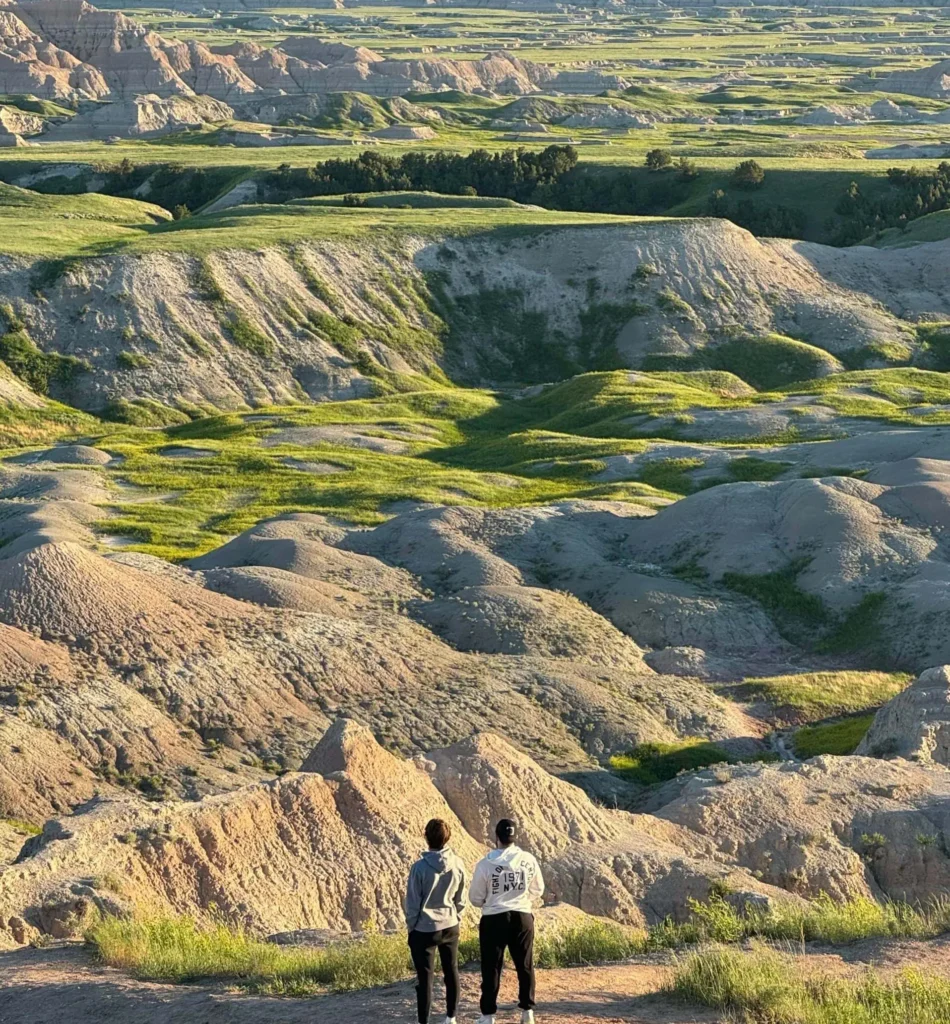
Today, the park spans more than 244,000 acres, preserving an ecosystem of mixed-grass prairie, deeply eroded canyons, and towering spires that look like something from another planet. The landscape was shaped by millions of years of deposition and erosion, revealing colorful layers of ancient sediment that contain some of the richest fossil beds in North America, including those of prehistoric rhinos, camels, and saber-toothed cats.
In addition to its geological wonders, the park is home to bison, bighorn sheep, prairie dogs, and the endangered black-footed ferret. It also contains the South Unit, a portion of the park that lies on the Pine Ridge Indian Reservation and holds deep cultural and spiritual significance for the Oglala Lakota Sioux Nation.
The Badlands can be explored via scenic drives, short interpretive trails, or backcountry hikes. It offers both awe-inspiring views and a sense of solitude that’s hard to find in more crowded national parks.
Mistake #1 – Underestimating the Weather
The weather in the Badlands is extreme and unpredictable. Temperatures can swing drastically within a day, with summer highs reaching over 100°F (38°C) and sudden thunderstorms rolling in without warning.
Why It’s a Problem
Temperatures in the Badlands can vary widely, and storms roll in fast.
How to Avoid It
- Check official forecasts
- Pack layers
Bring rain gear even on sunny days
Mistake #2 – Not Bringing Enough Water
Why It’s a Problem
Failing to bring enough water is one of the most dangerous and common mistakes visitors make when exploring Badlands National Park. The park’s harsh environment, with minimal shade, high summer temperatures, and dry prairie winds, makes dehydration a serious risk—even on short hikes. Most trails offer no water sources, and many overlook the fact that Badlands is a semi-arid region, where your body loses fluids much faster than in more humid climates.
Even if you’re just driving the scenic loop or stopping at overlooks, the dry air can cause you to become dehydrated without realizing it. Symptoms like fatigue, dizziness, dry mouth, and confusion can set in quickly—especially for children, older adults, and anyone engaging in moderate to strenuous activity.
How to Avoid It
The National Park Service recommends bringing at least one gallon (3.8 liters) of water per person per day when hiking in the Badlands. If you’re hiking in the heat or doing more strenuous routes like Castle Trail or Saddle Pass, you may need more.
Thirst isn’t always the first sign of dehydration. Headaches, muscle cramps, and low energy often come first—especially in the dry heat of the Badlands. Start hydrating before your hike, drink small amounts often, and don’t skip water breaks. This is one of the most deadly and common mistakes when visiting the Badlands.
Carry 1 gallon (3.8L) per person per day
Use hydration packs
Know where refill stations are
Mistake #3 – Skipping the Visitor Center Your
Why It’s a Problem
One of the most common mistakes visitors make in Badlands National Park is skipping the Ben Reifel Visitor Center, often rushing straight to the scenic overlooks or trailheads. While the park’s dramatic landscapes are certainly the main attraction, bypassing the visitor center means missing out on crucial information, safety updates, cultural insights, and educational exhibits that can significantly improve your experience.
The visitor center serves as the central hub for orientation, especially for first-time visitors or those unfamiliar with the park’s terrain, weather, or cultural significance. Without stopping here, you may head into a hike unaware of trail closures, wildlife warnings, or sudden weather changes—all of which can put your safety and trip at risk.
Skipping this stop is not just a missed opportunity—it’s one of the common mistakes when visiting the Badlands that can lead to confusion, disappointment, or even danger.
Hidden Gem Trails to Try
Saddle Pass Trail
Castle Trail
Medicine Root Loop
Mistake #5 – Ignoring Wildlife Etiquette
One of the most dangerous and often overlooked common mistakes when visiting the Badlands is treating wild animals like tame roadside attractions. Whether it’s getting too close to a bison for a selfie or feeding prairie dogs at a viewpoint, these seemingly small choices can lead to serious injury—or even death.
Badlands National Park is home to a variety of wildlife, including bison, bighorn sheep, prairie dogs, rattlesnakes, coyotes, and the endangered black-footed ferret. While seeing these animals in their natural environment is one of the highlights of any visit, it’s essential to remember that they are wild, unpredictable, and often more dangerous than they appear.
Failing to respect wildlife boundaries can result in not only injuries to you or your group, but also harm to the animals, who may become habituated to humans and be euthanized as a result. Additionally, it’s illegal to approach or feed wildlife in national parks, with fines reaching up to $5,000 and potential bans from federal land.
Part of the reason wildlife-related incidents are among the most common mistakes when visiting the Badlands is that the terrain feels open and peaceful. Visitors often feel a false sense of security in the wide, quiet prairies, and forget that these are wild environments—without fences or barriers separating people from powerful animals.
Additionally, some visitors are unaware of the laws protecting wildlife in U.S. national parks. Feeding animals is not just discouraged—it’s illegal, and doing so can result in hefty fines and legal action.
Wildlife Safety Tips
- Stay 100+ yards from bison
- Never feed animals
- Use a zoom lens for photography
Mistake #6 – Only Visiting During the Day
One of the most overlooked common mistakes when visiting the Badlands is leaving the park before sunset. Many visitors plan their trip around a few daytime hikes or scenic stops, assuming that once the sun starts to dip, there’s not much left to see or do.
But here’s what most people don’t realize: Badlands National Park completely transforms at night.
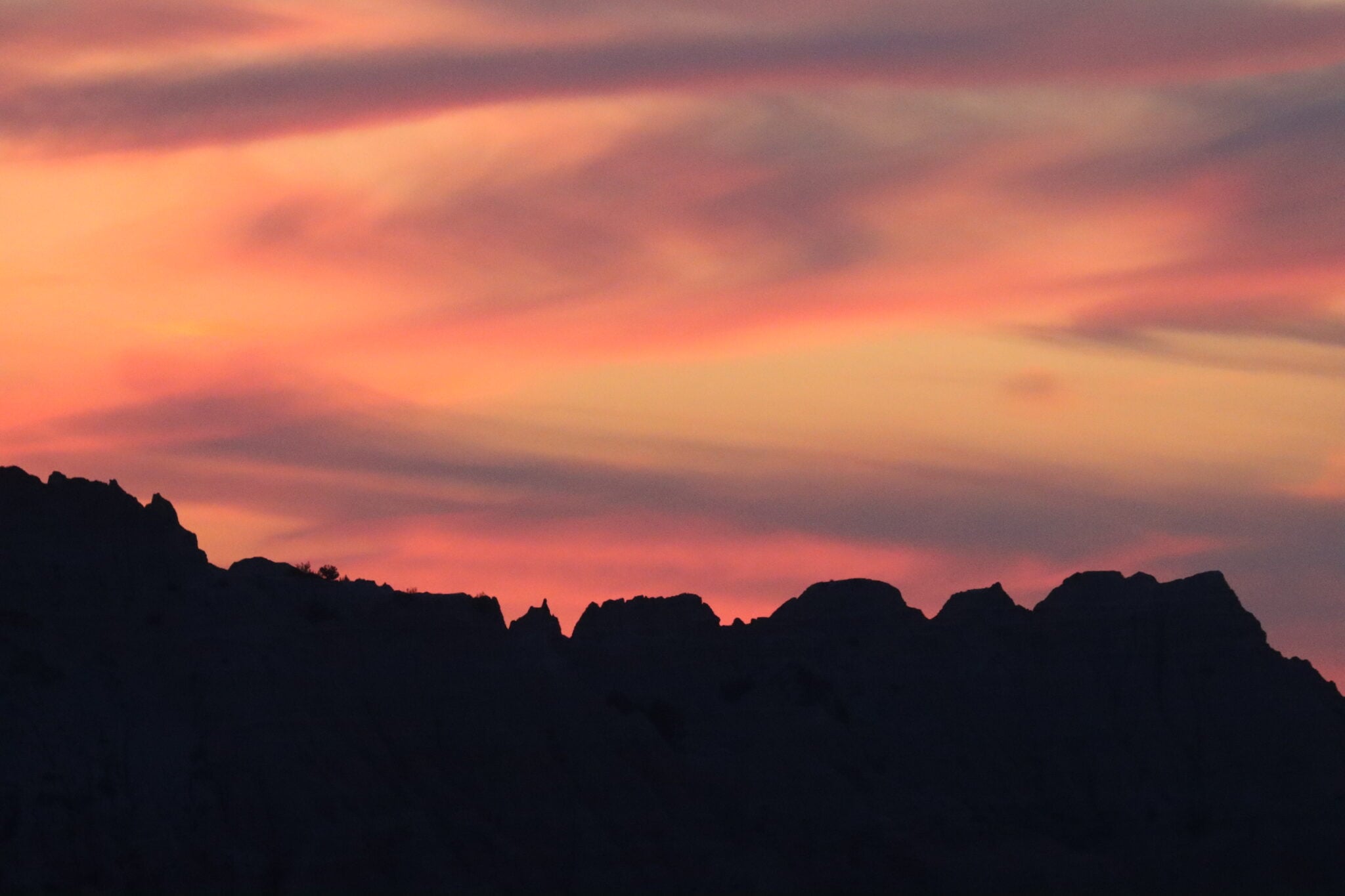
After the heat and glare of the day fade, the park’s dramatic landscape becomes even more striking. Soft shadows enhance the rugged formations, the prairie becomes quieter, and the sky opens into a canvas of stars that few places in North America can match. By skipping sunset and nightfall, you miss out on some of the most awe-inspiring and unique experiences the Badlands has to offer.
What to Do Instead
- Stay after dark to see the Milky Way
- Attend ranger-led night programs
Mistake #7 – Not Planning for Limited Services
Why It’s a Problem
One of the most frustrating common mistakes when visiting the Badlands is assuming that services like gas, food, cell signal, and Wi-Fi will be readily available. Unlike more commercialized parks or urban areas, Badlands National Park is remote and minimally developed—by design.
Once you’re inside the park boundaries, you’ll find very limited infrastructure. There are no gas stations, no grocery stores, and few places to eat. Cell reception is spotty at best, and non-existent in most areas. If you’re relying on GPS for navigation, mobile apps for maps, or online booking confirmations, you could be left stranded or directionless.
This lack of services isn’t a flaw—it’s part of the park’s wild appeal. But if you don’t plan ahead, it can turn your trip from memorable to miserable.
How to Prepare
- Download maps offline
- Bring food, water, and gear
- Fill up your gas tank beforehand
Mistake #8 – Wearing the Wrong Footwear
Why It’s a Problem
One of the most painful common mistakes when visiting the Badlands is choosing the wrong footwear. Many visitors arrive wearing sandals, flip-flops, casual sneakers, or even dress shoes, assuming that the trails are short or that they’ll only be walking from the car to overlooks.
But the Badlands’ terrain is anything but predictable.
Even the park’s most popular “easy” trails, like the Notch Trail or Door Trail, include uneven surfaces, sharp rock outcrops, loose gravel, and steep climbs. Some routes involve ladders, narrow ledges, and dusty slopes that become slippery when dry or muddy after a rain.
Wearing the wrong shoes doesn’t just make your hike uncomfortable—it increases your risk of slips, twisted ankles, blisters, or worse.
What Not to Wear
- Flip-flops or sandals: No support, no traction, high injury risk
- No Canvas sneakers: Poor grip and no moisture protection
- No New shoes: Break them in before you hike—blisters from stiff shoes are a miserable way to spend your trip
Recommended Visit Duration
- 1–3 days for full exploration
- Add nearby attractions like Wall Drug or the Minuteman Missile Site
Summary Table – Common Mistakes and How to Avoid Them
Additional Resources