
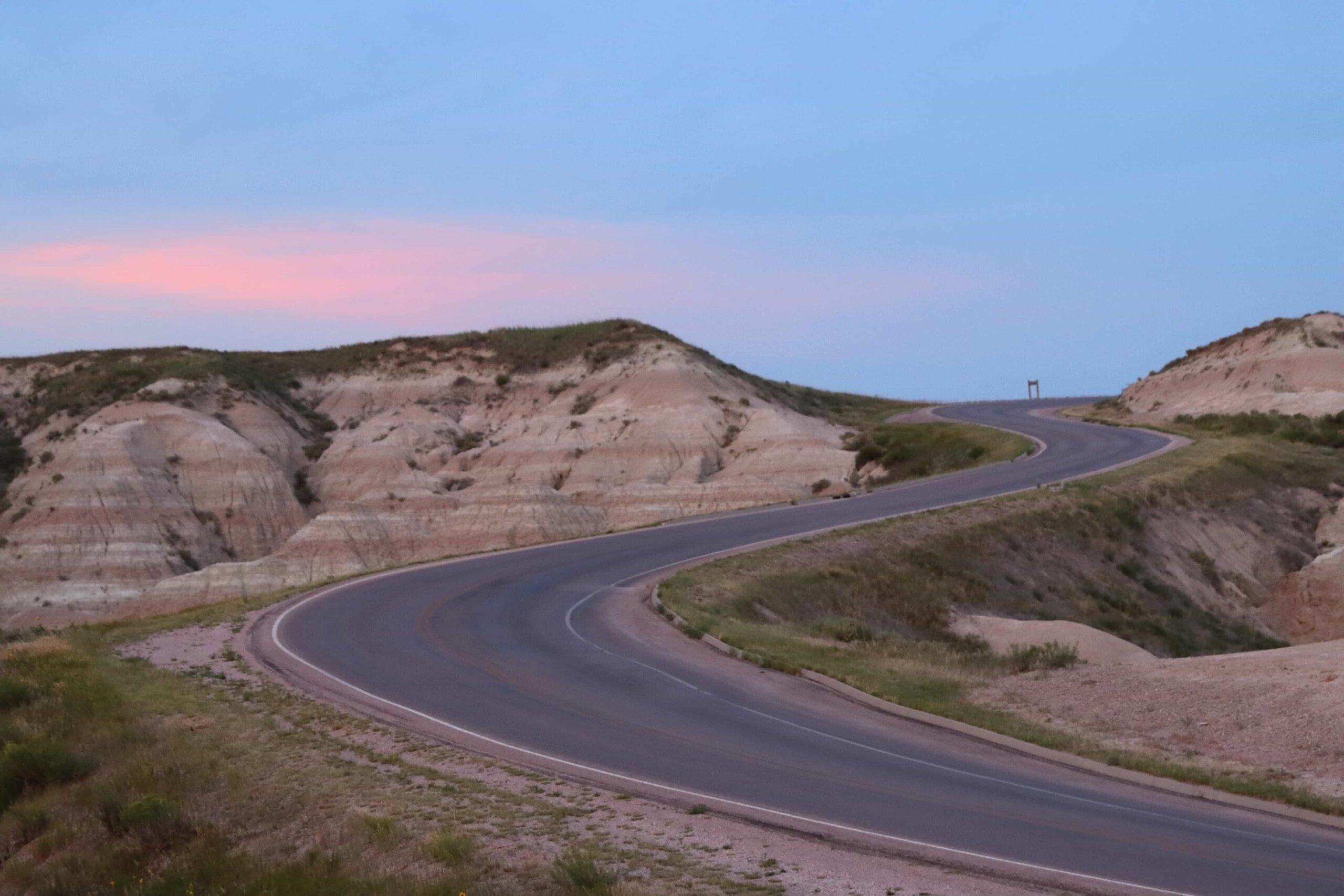
Seven stops, one smart route, and the little timing choices that make South Dakota feel effortless.
A South Dakota road trip isn’t about rushing from landmark to landmark. It’s about letting the land unfold at its own pace. Wide-open prairie gives way to sculpted badlands. Quiet rivers lead into pine-covered hills. Every stop feels earned, and every mile adds context.
This route blends cities, parks, backroads, and iconic drives into a journey that feels balanced and deeply rooted in place. It’s ideal for travelers who want more than postcard moments and who value culture, wildlife, geology, and the simple joy of being present on the road.
Best base: Rapid City
Ideal length: 5 to 7 days
Core loop: Badlands, Black Hills, Spearfish Canyon, Deadwood
One optional add on: Devils Tower
Best pace: Early mornings, relaxed afternoons, sunset focused stops
Gateway city with water, culture, and momentum
Start your South Dakota road trip in Sioux Falls, the state’s largest city and a surprisingly strong first impression. At the heart of downtown, the Big Sioux River spills over pink quartzite ledges at Falls Park, creating a natural gathering place framed by walking paths and overlooks.
Beyond the falls, Sioux Falls offers a walkable downtown filled with galleries, public art, and locally owned restaurants that lean into farm-to-table traditions. Interpretive signage and museums acknowledge the deep Lakota, Dakota, and Nakota presence in the region, grounding the city in history rather than glossing over it.
This is a great place to ease into the rhythm of the trip, stock up on road snacks, and get oriented before heading west.
If you only do one thing here, make it Falls Park at golden hour. The pink quartzite glows, the river sound softens the city noise, and the walkways feel calm instead of busy. Park once and stroll the full loop so you see the falls from multiple angles, not just the first overlook. After soaking in the beauty of Falls Park, take a short drive to Roughlock Falls scenic hiking paths for a deeper connection with nature. The trails wind through lush forest and offer stunning views, making it a perfect spot for both seasoned hikers and casual walkers. Each step along the paths reveals the diverse flora and fauna that thrive in this serene landscape, ensuring a memorable outdoor experience.
After that, keep it simple downtown. Pick one locally owned spot for dinner, then take a short walk through the public art pockets so the city feels like a place, not a pit stop.
A historic pause before the landscape opens up

As you head west, stop at the Badlands Ranch Store just before entering Badlands National Park. It’s more than a souvenir stop. It’s a living reminder of frontier life, ranching history, and the realities of traveling through remote terrain.
Inside, you’ll find locally made goods, regional preserves, and small exhibits that explain the geology and ecology you’re about to experience. Step onto the porch, grab a coffee, and take in your first wide-angle view of the Badlands terrain. As you sip your coffee, consider exploring the black hills region and its diverse landscapes. You’ll discover hidden trails, stunning vistas, and the rich history that shapes this unique part of South Dakota. Each turn promises a new adventure, inviting you to connect with nature like never before.
It’s also a practical stop. Restrooms, snacks, maps, and local insight make this a smart pause before cell service becomes unreliable.
This is your last easy reset before the Badlands get wide and quiet. Use it for two things that save your day: hydration and a plan. Grab water, snacks you’ll actually eat in the car, and confirm your next restroom window so you aren’t stressed later.
Then step outside for a minute and let your eyes adjust to the openness. That first big view is the moment when the west starts feeling like the west. Don’t rush it.

Badlands National Park is the emotional core of this South Dakota road trip. Layered rock formations, deep canyons, and open prairie stretch in every direction, revealing nearly 75 million years of geological history.
Drive the Badlands Loop Road early or late in the day when light brings out reds, golds, and soft purples in the formations. Wildlife in the Badlands are abundant during these times. Short trails like Cliff Shelf and Door Trail offer big views without long hikes, while the Notch Trail rewards confident footing with a sweeping overlook of the White River Valley.
The Ben Reifel Visitor Center provides important context about the land, including Lakota connections that continue today. If you stay after sunset, the Badlands’ dark skies reveal just how quiet and expansive this place really is.
The Badlands feel completely different depending on the hour. Midday can look flat and harsh, while late day brings depth and color. Aim for the sunset and golden hour, then build your route around short walks and overlooks so you stay fresh.
If you want the park to land emotionally, slow down at one viewpoint and just watch. The wind, the distance, the shifting light, the quiet. That’s the Badlands. The park rewards presence more than mileage. If you really want to see the park in all its glory, see the sunset and night sky. It’s a rare sight, with over 7500 stars visible to the naked eye.

Rapid City serves as the gateway to the Black Hills and a natural reset point on your road trip. Downtown is compact and creative, with Art Alley murals reflecting regional history, Indigenous stories, and modern voices.
The Journey Museum & Learning Center helps tie everything together, from ancient seas to gold rushes to modern conservation efforts. It’s an excellent stop if you want a deeper understanding of how this landscape came to be.
Rapid City is also where many travelers choose to base themselves for Black Hills exploration. Dining, lodging, and guided experiences are all easily accessible here. As you explore Mount Rushmore attractions, be sure to take advantage of the breathtaking views and the rich history behind this iconic monument. The surrounding area is filled with hiking trails, visitor centers, and interactive exhibits that provide insight into the making of this American treasure. Additionally, various local tours offer a chance to delve deeper into the culture and stories of the Black Hills region. Embarking on guided tours through Black Hills allows visitors to uncover hidden gems and experience the stunning landscapes from unique perspectives. Knowledgeable guides often share fascinating tales and folklore that enrich the journey, making it an unforgettable adventure. Whether you’re hiking through scenic vistas or exploring historic sites, these tours provide a deeper appreciation for the area’s beauty and heritage.
Rapid City is your best place to sleep well, eat well, and regroup between big landscape days. Keep the evening light. Walk downtown, grab dinner, and save your energy for the Hills and the Badlands.
If you want one stop that adds real context, the Journey Museum helps connect the dots between ancient geology, Indigenous history, settlement, and modern conservation. You’ll start noticing more detail in the landscape after you go.

Inside Custer State Park, Wildlife Loop Road delivers one of the most reliable wildlife-viewing experiences in the region. Bison herds move freely across the prairie. Pronghorn antelope dart through open grassland. Prairie dogs, elk, and burros often appear without warning. wildlife viewing in Custer State Park offers visitors a chance to connect with nature like never before. The diverse habitats support an array of species that thrive in this stunning landscape. Whether captured on camera or simply enjoyed in silence, each sighting adds to the magic of the adventure.
Pullouts allow you to stop safely, observe respectfully, and let animals pass on their terms. Interpretive signage explains how conservation, ranching, and land stewardship coexist here.
Pack a simple picnic and take your time. This stretch is about observation, not speed.
This drive is a story, not a shortcut. Take it slowly so the tunnels and curves do what they were designed to do. Each reveal builds anticipation, and you arrive with a sense of place instead of just checking a box.
Once you reach Mount Rushmore, don’t rush straight to the main viewpoint and leave. Walk the grounds, read a little context, and give yourself a few minutes to reflect. This stop is better when it becomes a conversation, not a photo.

Iron Mountain Road is one of the most intentional scenic drives in the country. Curves, pigtail bridges, and narrow tunnels were designed to reveal Mount Rushmore in pieces rather than all at once.
Each tunnel frames the presidential carvings differently, turning the drive itself into part of the experience. Once at Mount Rushmore National Memorial, ranger programs and exhibits offer context beyond the monument’s scale.
This stop works best when paired with reflection. It’s a place that invites discussion about history, land use, and national identity.
This drive is a story, not a shortcut. Take it slowly so the tunnels and curves do what they were designed to do. Each reveal builds anticipation, and you arrive with a sense of place instead of just checking a box.
Once you reach Mount Rushmore, don’t rush straight to the main viewpoint and leave. Walk the grounds, read a little context, and give yourself a few minutes to reflect. This stop is better when it becomes a conversation, not a photo.

End this section of your South Dakota road trip on Needles Highway, where narrow roads weave through towering granite formations. The drive demands patience and attention, but rewards both with dramatic scenery and quiet pullouts.
Stop at Cathedral Spires for one of the most photographed views in the Black Hills. Short walks and overlooks reveal how erosion shaped these needle-like formations over time. Visitors often have misconceptions about the Black Hills, believing them to be merely a rugged landscape without understanding their rich geological history. These hills are not only a site of stunning beauty but also a testament to millions of years of natural processes. Exploring the area can transform those misconceptions into a deeper appreciation for this unique geological formation.
This stretch encourages slowing down. Light changes quickly, shadows shift across stone, and the experience feels almost meditative if you let it.
Needles is at its best when you stop often. Pull over at the quieter viewpoints, take short walks, and watch how the granite changes as the light shifts. This area doesn’t need a long hike to feel dramatic.
If you’re feeling tired, this is still a win. Even ten minutes outside the car, breathing pine air and looking up at the spires, can reset your whole day.
Pick one based on your group’s energy
More Black Hills scenery and a cave stop
OR
Second Badlands session for light and photos
Then depart
This South Dakota road trip balances movement with meaning. Cities ground you. Parks humble you. Scenic drives connect it all. The route works because it respects distance, time, and the stories tied to the land.
At My XO Adventures, we believe the best road trips aren’t about checking boxes. They’re about understanding where you are and why it matters. With thoughtful pacing, local insight, and a willingness to slow down, this journey becomes more than a vacation. It becomes a shared experience with the land itself.
In this region, distance can be deceptive. On a map, everything looks close, but once you factor in winding roads, wildlife slowdowns, and scenic pull-offs, time stretches quickly. A day trip is worth it when the route is designed around how the land actually moves, not just where the stops are. For example, driving Iron Mountain Road toward Mount Rushmore builds anticipation in a way a direct route never will. The experience should feel layered, not rushed. If your day looks efficient on paper but leaves no room to pause, you’re going to feel like you spent the day in a vehicle instead of inside the landscape.
Trying to combine the Black Hills and Badlands into one “complete” day. I see this all the time. Guests arrive thinking they’ll do Mount Rushmore, Custer State Park, and the Badlands in a single loop. What actually happens is they spend most of the day driving and hit each place at the busiest, harshest time of day. The Black Hills are about texture and depth. The Badlands are about light and space. When you split them, each place has room to reveal itself. When you stack them, both feel rushed and incomplete.
Timing here isn’t just about crowds, it’s about how the land behaves. In the Badlands, early morning light brings out softer colors and better wildlife movement, especially along the Sage Creek Rim Road area where bison tend to be more active. Midday flattens everything visually and heat builds quickly. In the Black Hills, a later start can actually work in your favor if you’re heading toward Mount Rushmore, since early morning often draws the largest initial wave of visitors. The best approach is aligning your start time with what you care about most: wildlife and light, or landmark access with fewer people.
You have a real chance at meaningful wildlife encounters here, but it comes down to where and how you look. In Custer State Park, the Wildlife Loop Road is one of the most reliable places to see bison, especially in the morning or later in the day when they’re moving. Prairie dog towns in the Badlands are active most of the day, but bighorn sheep tend to appear in more specific terrain, often near steep formations or roadside cliffs. The biggest shift I see with guests is when they stop scanning casually and start observing intentionally. Wildlife isn’t hidden here, but it rewards patience.
Most of the best views in South Dakota are surprisingly accessible. You can experience a full, meaningful day without long hikes. That said, the difference between a good day and a great one often comes from short, intentional walks. A short walk out to an overlook in the Badlands or a quick trail segment in the Black Hills changes your perspective completely. You don’t need to be in peak physical condition, but you should be comfortable walking on uneven ground and standing for periods of time. It’s less about endurance and more about willingness to step out and engage.
They can be, especially in a place like this where conditions shift throughout the day. Traffic at Mount Rushmore, wildlife movement in Custer State Park, and even lighting conditions in the Badlands can all change within hours. A good guide is constantly adjusting based on what’s happening in real time. For example, if there’s a buildup of vehicles near Wildlife Loop, it usually means animals are active, and knowing how to approach that without getting stuck makes a difference. It’s not about access, it’s about timing, awareness, and knowing how to read the landscape.
Layers matter more here than people expect. You might start the morning in the Black Hills where it’s cool and shaded, then end up in the Badlands where there’s no cover from the sun and temperatures feel completely different. Hydration is another one. The dry air combined with time outdoors catches people off guard quickly. One thing guests often underestimate is how much time they’ll spend outside the vehicle once they start stopping more frequently than planned. Having water, sun protection, and comfortable footwear changes how much you can actually enjoy those moments.
It comes down to how you move through the day. If you’re only stopping at the most obvious viewpoints and staying just long enough for a photo, it will feel like a checklist. The shift happens when you give yourself time to linger and notice what’s around you. In the Badlands, that might mean stepping a little farther from the main pullout and watching how the colors change as clouds move overhead. In the Black Hills, it might mean slowing down on a scenic road instead of treating it like a drive between stops. The experience becomes personal when you stop chasing the highlights and start paying attention to everything in between.
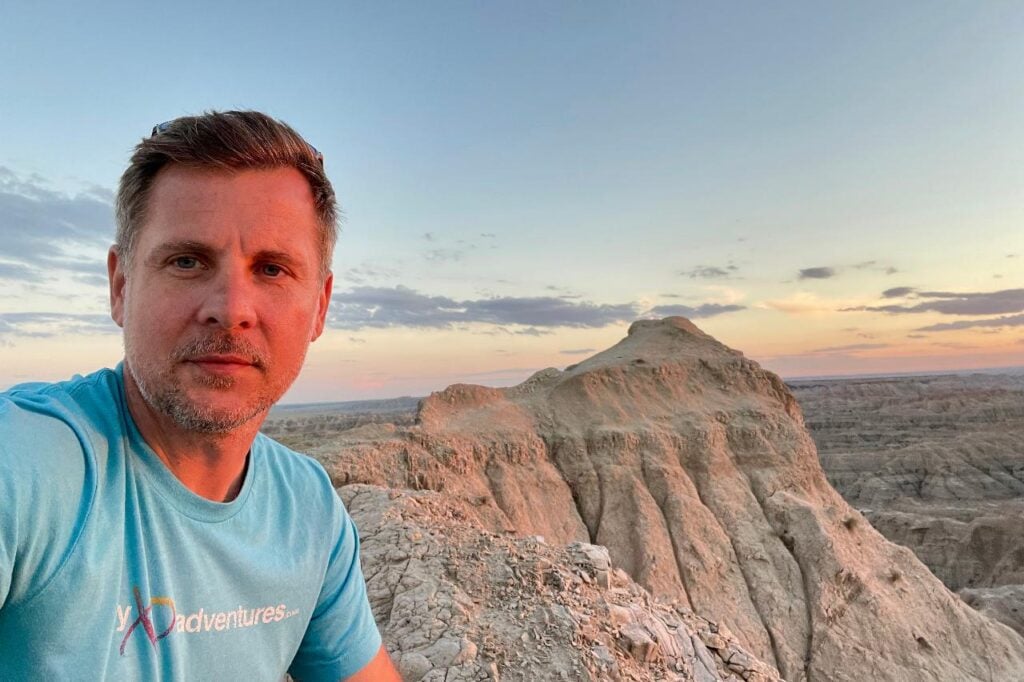
Owner and lead guide at My XO Adventures in Rapid City, South Dakota
Daniel Milks is the owner and lead guide of My XO Adventures, based in Rapid City, South Dakota. He leads private days through the Black Hills and Badlands built around wildlife behavior, geology, local history, and photo worthy stops, with a calm pace that leaves room for real discovery. Each route is shaped around your interests, current conditions, and simple, practical planning so your day feels easy, personal, and genuinely local. My XO Adventures tours include admission fees for the parks, monuments, and memorials on your itinerary. Learn more about Daniel on his bio page.