
Wildlife Loop Road: What You Need To Know Before You Go
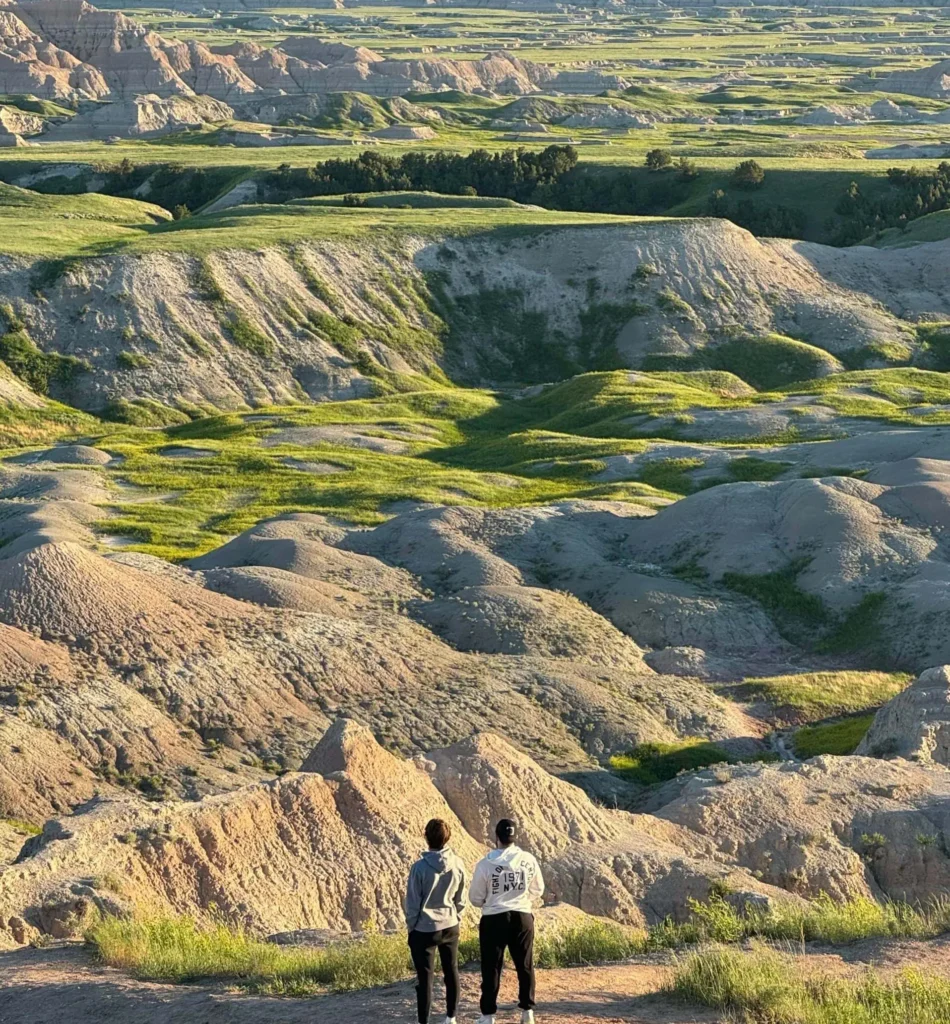
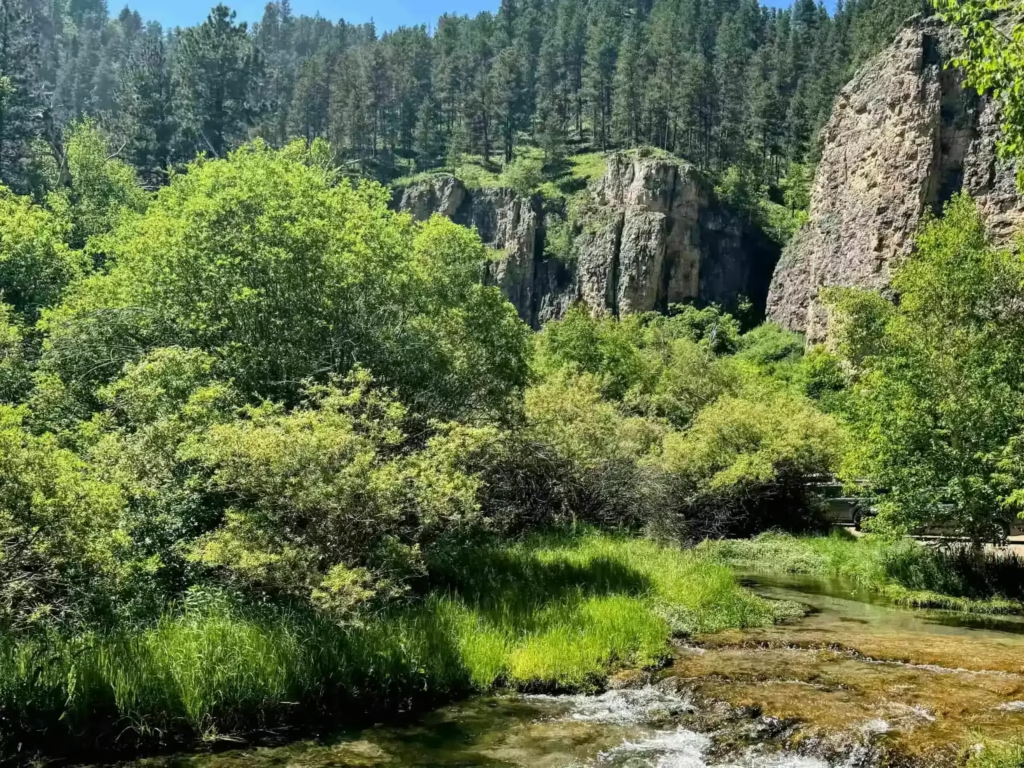
Wildlife Loop Road in Custer State Park is one of the most talked-about drives in the Black Hills, and for good reason. With rolling prairies, open grasslands, pine-dotted hills, and wildlife that moves freely across the landscape, this scenic road gives visitors a real sense of South Dakota’s beauty.
Many travelers wonder what to expect when they first visit Wildlife Loop Road, and that is exactly what this guide is here to help with. This is everything you need to know, written from the perspective of someone who spends countless days guiding guests through the Black Hills.
Is Wildlife Loop Road Really Wild?
Wildlife Loop Road feels wild, but it is still part of a managed state park. The land covers more than 71,000 acres, and animals roam freely across it. Bison, prairie dogs, pronghorn antelope, elk, deer, wild burros, and countless bird species live within the park, often appearing just steps from your vehicle.
Even though the area is fenced around the outer boundary, the interior of Wildlife Loop Road feels natural, open, and authentic. Most visitors can’t tell where the boundaries begin or end. All they see are animals moving across the landscape just as they have for generations.
The experience may not be untouched wilderness, but it is still one of the best wildlife drives in the United States.

Why So Many Visitors Miss Wildlife Loop Road
You’d be surprised how often I meet people who have visited Custer State Park but never driven Wildlife Loop Road. The reason is simple. Large tour buses cannot access some of the smaller, winding roads that lead to the best viewing areas.
That means visitors relying on oversized transportation often miss the highlights of the Black Hills. Smaller vehicles, high-clearance SUVs, and private Black Hills tours make it possible to see the whole experience, including gravel stretches and side roads that larger vehicles avoid.
If you want to make sure you don’t miss any part of Wildlife Loop Road, consider a private guided tour. The right guide can take you into areas where wildlife is more active and help you safely experience the park without stress or guesswork.
How Long Does It Take To Drive Wildlife Loop Road?
On average, Wildlife Loop Road takes about an hour to drive at the posted speed limits. But stopping for wildlife, taking photos, and enjoying the scenery can easily extend the experience to 90 minutes or more.
This drive is best approached slowly. The road invites you to pause, observe, and appreciate the natural flow of life in the hills. Your best wildlife moments will likely happen when you least expect them, in places where travelers often look right past the tree lines or ridges.
Bring binoculars, snacks, water, and a camera. Let the road guide you at its own pace.
What Wildlife Can You See Along Wildlife Loop Road?
Wildlife Loop Road lives up to its name. Depending on the time of year and time of day, you may encounter:
• Bison, often in large herds
• Prairie dogs chirping from the ground
• Pronghorn antelope gliding across the plains
• Deer, including mule deer and whitetails
• Elk, though not as common
• Wild burros, famous for their curious personalities
• Coyotes, occasionally spotted in the distance
• Birds of prey and songbirds
Wildlife sightings vary each day. Early mornings and late afternoons are typically the most active times for animals. Midday can still be rewarding, but temperatures influence movement, especially during summer.


The Best Time To Experience Wildlife Loop Road
If you want to enjoy the full personality of Wildlife Loop Road, early summer is an excellent time to visit. The hills are bright with wildflowers, and newborn bison calves, called Red Dogs, play near their mothers. Spring and autumn also offer cooler temperatures, quieter crowds, and beautiful lighting for photography.
Sunrise and sunset bring a special magic to the hills. Soft colors fall across the prairies, and animals become more active. If photography is part of your trip, these times will serve you well.
Staying Safe Around Wildlife
Even though the animals appear calm, always keep a safe distance. Bison are incredibly powerful and can close the distance in seconds. Give them space and remain alert, especially during calving season and late summer when males become more aggressive.
Stay in your vehicle if a herd blocks the road, and never try to walk toward wildlife for a photo. Good binoculars and a zoom lens will give you the shot you want without risking harm.
Watching these animals from a safe distance is part of what makes Wildlife Loop Road so memorable.
Navigating the Road With Confidence
Wildlife Loop Road includes side roads and gravel stretches that can confuse first-timers. A good map helps, but so does patience. The route winds, curves, and shifts between prairie and forest.
If you’re exploring on your own, keep an eye on signage and take your time. If you’re traveling with a guide, enjoy the experience without worrying about turns, traffic, or where the wildlife might be hiding. Guides who know the land can spot animals long before most visitors notice them.
Why Wildlife Loop Road Belongs on Your Itinerary
Wildlife Loop Road is ideal for families, photographers, nature lovers, and anyone who wants to experience the rhythm of the Black Hills. Although it is managed, the land feels open and expansive. Animals move on their own time. The hills breathe and shift with the seasons.
The loop is one of the most straightforward and most enjoyable ways to experience the wild beauty of Custer State Park. You may arrive with questions, but once you’re out there with the wind in the grass and wildlife crossing your path, the magic of the place becomes clear.
Wildlife Loop Road is not untouched wilderness, but it feels wild in all the ways that matter. It is peaceful, surprising, and unforgettable. Explore it, take your time, and let the Black Hills show you something you haven’t seen before.