
Talk to Your Guide: (605) 252-9100
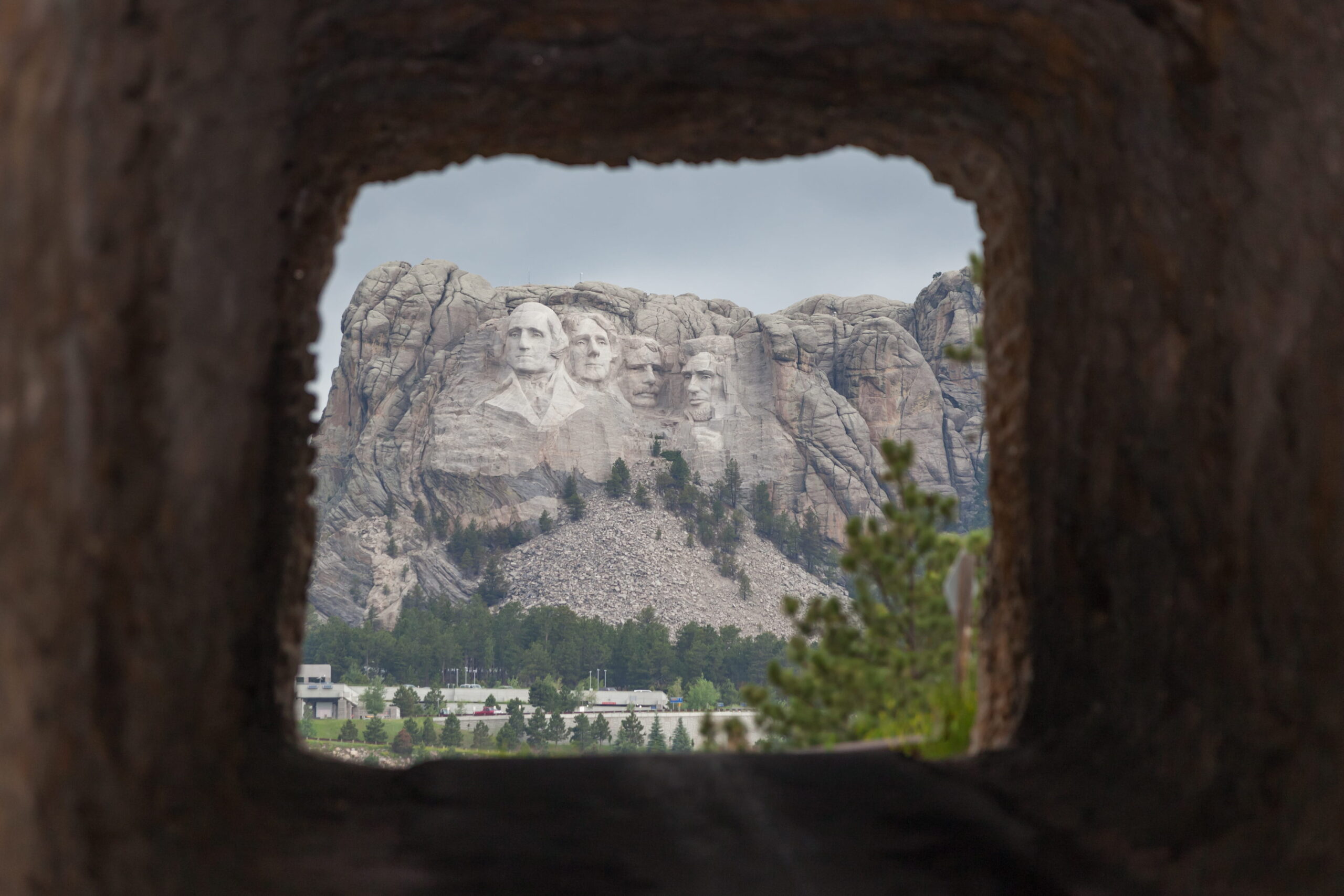
A fully private, 8 to 9 hour journey through the Black Hills, combining scenic byways, wildlife, and meaningful time at Mount Rushmore. We time the route to avoid peak crowds and let the landscape breathe.
Many travelers arrive in western South Dakota with a simple picture of what they expect to find. They imagine open prairie, a quick stop at Mount Rushmore, and maybe a scenic drive before moving on to the next destination.
Then they experience the Black Hills and realize the story is much bigger.
The Black Hills and Badlands are filled with landscapes, wildlife, small towns, and cultural history that often surprise first-time visitors. Granite peaks rise above pine forests. Scenic roads wind through mountain passes. Hidden lakes appear between ridges. A few miles farther east, the Badlands reveal a completely different landscape of layered rock formations and vast open horizons. Exploring natural wonders in the Black Hills offers an unforgettable adventure for nature enthusiasts. Visitors can hike scenic trails that lead to stunning viewpoints and engage in wildlife watching opportunities that abound in this picturesque region. The natural beauty found here beckons adventurers to discover its many hidden gems and immerse themselves in its tranquil surroundings.
These contrasts are part of why visiting the Black Hills and Badlands feels so memorable. The region rewards curiosity, and many of the things people believe about South Dakota travel turn out to be incomplete or simply outdated.
Understanding a few common Black Hills travel myths can help you approach your trip with clearer expectations and discover experiences that many visitors overlook.
One of the most common things people get wrong about the Black Hills is assuming the region is mostly prairie with a few famous attractions scattered across it.
While the prairie is an important part of the surrounding landscape, the Black Hills themselves rise unexpectedly from the plains. Pine forests, granite formations, quiet lakes, and winding scenic drives create a terrain that feels dramatically different from what many travelers expect.
Visitors who are first time visiting the Black Hills often describe this moment of surprise as they begin exploring the hills. A drive along Needles Highway might reveal towering granite spires, while a short walk around Sylvan Lake can feel like stepping into a completely different environment.
Instead of a single landscape, the region unfolds as a series of connected ecosystems that reward travelers who take time to explore.


Another misconception about South Dakota travel is that the region is mainly about driving to viewpoints and taking photographs.
The scenery is spectacular, but the Black Hills offer far more than roadside overlooks.
Visitors exploring the region can hike through forest trails, watch wildlife in open valleys, paddle across mountain lakes, or explore historic towns scattered throughout the hills. In Custer State Park, travelers often encounter bison, pronghorn, and burros while driving through wide grasslands and granite valleys.
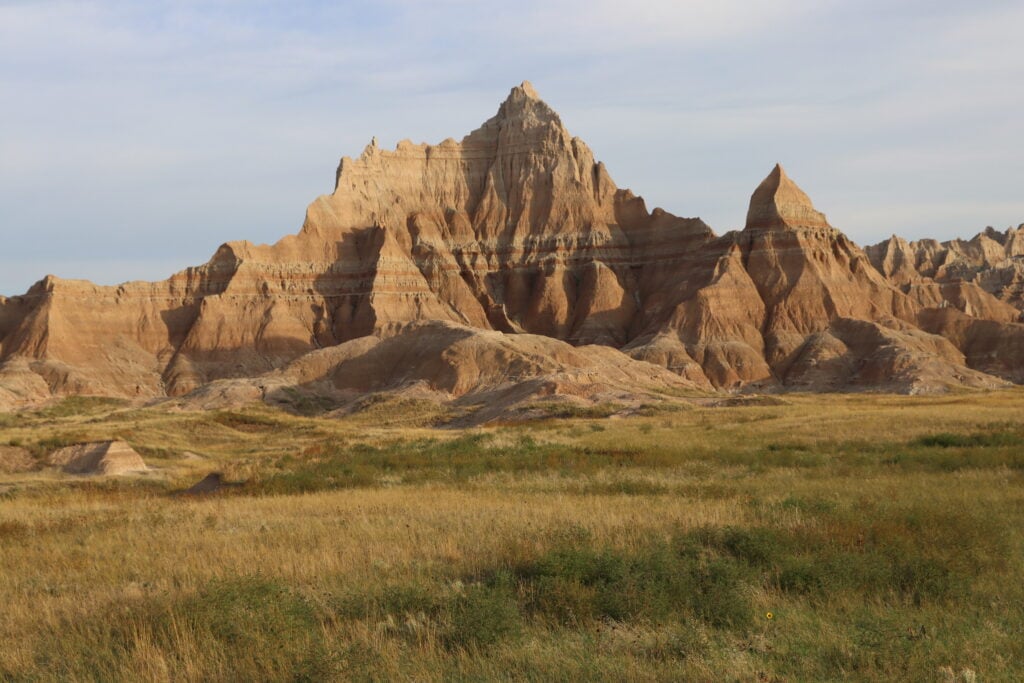
Farther east, Badlands National Park offers short trails that lead directly into dramatic rock formations, giving visitors the chance to experience the landscape up close.
For many travelers, the biggest surprise about visiting the Black Hills and Badlands is how active the experience becomes once they arrive.

Summer draws the largest crowds, but another common misunderstanding about the region is that it is only worth visiting during warm months.
In reality, each season reveals a different side of the Black Hills.
Spring brings fresh greenery and increased wildlife activity. Fall offers cooler temperatures and quiet roads that wind through golden forests. Winter transforms the hills into peaceful landscapes where snowy pines and quiet trails create a completely different atmosphere.
Travelers who return during different seasons often say the region feels like a new destination each time they visit.
Understanding this seasonal rhythm is one of the most helpful Black Hills travel tips for visitors planning their first trip.
Another thing people often get wrong about South Dakota travel is assuming the food options will be limited. In reality, the state offers a diverse culinary scene that reflects its rich cultural heritage. Beyond the attractions in South Dakota, visitors can indulge in flavors ranging from traditional Native American dishes to modern twists on classic American fare. Local farms and ranches contribute to a farm-to-table experience that showcases the best of the region’s produce and meats.
The truth is that the region’s dining scene continues to grow, especially in Rapid City, where travelers find everything from relaxed local diners to thoughtful restaurants serving creative regional dishes.
Smaller towns throughout the hills also contribute their own flavor to the experience. Local bakeries, coffee shops, breweries, and family-owned restaurants often become unexpected highlights of a trip.
Visitors exploring the area frequently discover that the local Rapid City dining scene adds an enjoyable layer to their time in the Black Hills.
Many travelers planning their first trip focus almost entirely on the famous landmarks.
But part of what makes the region special is the collection of small towns that sit between the larger attractions.
Places like Hill City, Custer, Spearfish, and Deadwood each offer their own character and pace. Some are known for galleries and artisan shops, while others carry stories tied to the region’s mining and frontier history.
Taking time to explore these towns often leads to some of the most personal moments of a trip.
For many travelers, these communities become an essential part of what makes visiting the Black Hills and Badlands feel authentic and memorable. The Black Hills scenic tour highlights breathtaking views and rich cultural narratives that resonate deeply with those who explore this remarkable region.
Visitors can immerse themselves in the area’s history and enjoy outdoor adventures that showcase its stunning landscapes. Each stop along the journey reveals unique stories and experiences that enhance the overall journey through the Black Hills. Exploring the top activities in the Black Hills offers a diverse range of experiences, from hiking picturesque trails to discovering historical sites that exemplify the region’s rich heritage.
Outdoor enthusiasts will find ample opportunities for rock climbing and mountain biking, while those looking for a more leisurely pace can enjoy scenic drives and tranquil picnics amidst the towering pines. The blend of adventure and relaxation makes this destination a perfect getaway for families, friends, and solo travelers alike.
Mount Rushmore is often the image people associate most strongly with the region, but the history of the Black Hills extends far beyond a single landmark.
The landscape holds geological stories that stretch back millions of years, along with human histories that include Indigenous cultures, exploration, conservation, and the development of tourism in the American West.
Learning about these layers of history helps visitors see the land differently. The more context travelers gain, the more meaningful their experience becomes.
For visitors interested in understanding the region more deeply, this historical perspective is often one of the most rewarding discoveries.
One of the most common things people get wrong about the Black Hills is assuming the entire trip revolves around a single monument.
Mount Rushmore is certainly one of the most recognizable landmarks in the United States, and it is an important part of the region’s story. But visitors who travel here expecting to see one attraction often discover that the monument is only the beginning.
The surrounding Black Hills are filled with scenic drives, quiet lakes, wildlife areas, hiking trails, and small towns that add depth to the experience. For activities for nature lovers in Black Hills, visitors can explore the stunning limestone caves and picturesque hiking trails that meander through the dense forests. Additionally, bird watching and wildflower photography offer unique experiences for those looking to connect with the area’s rich biodiversity. With so much to see and do, the Black Hills truly cater to every nature enthusiast’s passion.
Travelers who spend time exploring places like Custer State Park, the winding granite formations along Needles Highway, or the peaceful shoreline of Sylvan Lake quickly realize how much more there is to discover.
Even the nearby Badlands National Park offers a completely different landscape just a short drive away.
For many travelers, Mount Rushmore becomes the gateway to exploring the larger story of the Black Hills and Badlands rather than the main destination.


Another misconception about visiting the Black Hills and Badlands is that the area is too large or complicated to explore comfortably.
In reality, many of the region’s most iconic locations sit within manageable driving distances of Rapid City, which serves as a convenient starting point for exploring the surrounding landscapes.
From Rapid City, travelers can reach scenic drives, wildlife areas, historic towns, and national parks without needing to relocate every night.
Some visitors also choose private tours from Rapid City, which allow them to explore multiple destinations while learning about the geology, wildlife, and history that shape the region.


Perhaps the biggest surprise for first-time travelers is how quickly their time in the Black Hills fills up.
Visitors often arrive expecting to spend a day or two exploring the area. Once they begin discovering scenic drives, hidden lakes, small towns, and wildlife areas, they realize there is far more to see than they anticipated.
This is one of the most common things people get wrong about the Black Hills.
The region rewards curiosity and slower travel. Many visitors leave wishing they had allowed a few extra days to explore the landscapes and communities that make this part of South Dakota so memorable.
Another surprise for visitors exploring the region is how frequently they encounter wildlife.
Many people imagine wildlife sightings as rare or accidental, but the Black Hills and Badlands support a wide range of animals that travelers often see during their trip.
In Custer State Park, bison herds roam freely across the grasslands while pronghorn, burros, and deer move through the valleys. Prairie dogs chatter from their towns along open prairie, and bighorn sheep can sometimes be spotted navigating steep rock formations.
Early mornings and evenings are often the best times to see wildlife activity. These quiet hours are when many travelers realize that the landscape around them is far more alive than they expected.
For visitors who enjoy photography or nature observation, wildlife encounters often become one of the most memorable parts of visiting the Black Hills and Badlands. Exploring the roughlock falls hiking trails in Spearfish offers breathtaking views and opportunities to capture stunning landscapes. The sound of cascading water adds to the serene atmosphere while you might spot a variety of wildlife along the way. Each turn on the trail reveals something new, making it a perfect destination for outdoor enthusiasts.
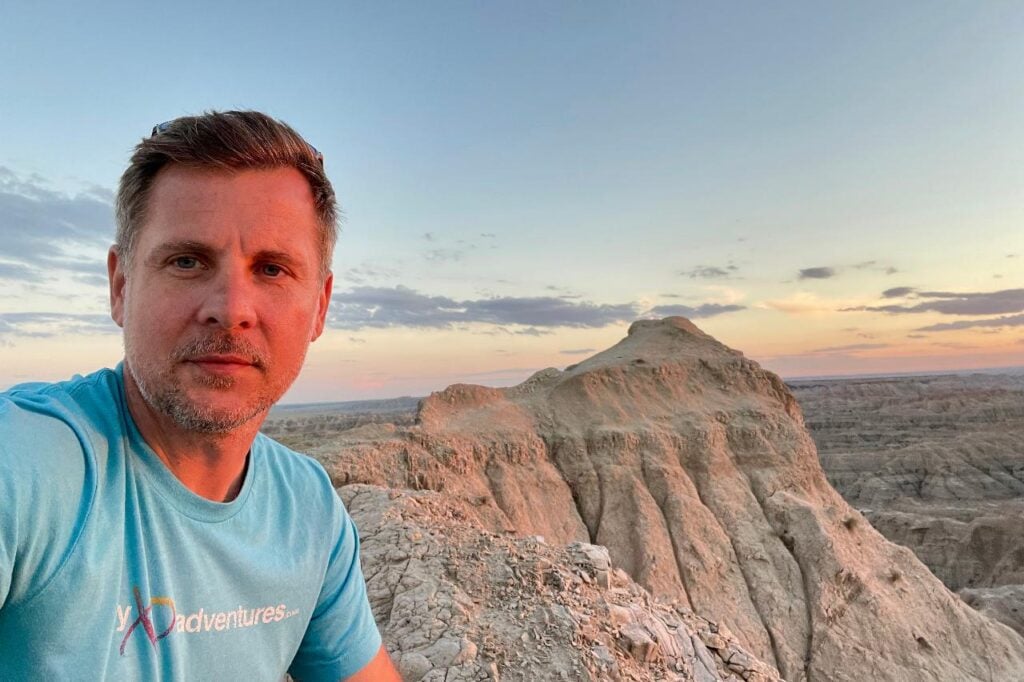
Owner and lead guide at My XO Adventures in Rapid City, South Dakota
Daniel Milks is the owner and lead guide of My XO Adventures, based in Rapid City, South Dakota. He leads private days through the Black Hills and Badlands built around wildlife behavior, geology, local history, and photo worthy stops, with a calm pace that leaves room for real discovery. Each route is shaped around your interests, current conditions, and simple, practical planning so your day feels easy, personal, and genuinely local. My XO Adventures tours include admission fees for the parks, monuments, and memorials on your itinerary. Learn more about Daniel on his bio page.