
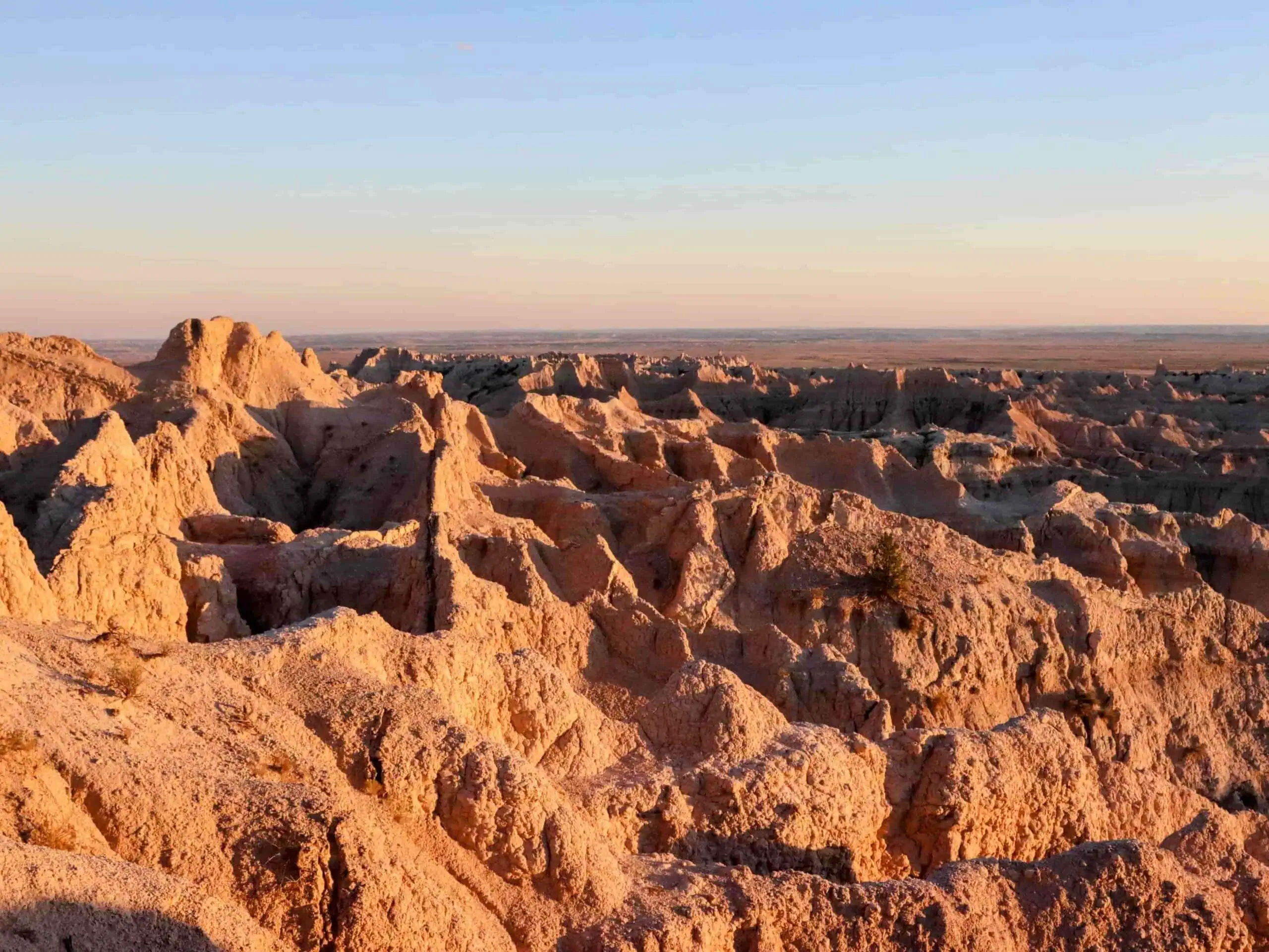
Discover how ancient seas, rising mountains, and relentless erosion shaped the remarkable landscapes of the Black Hills and Badlands.
The Black Hills and Badlands are landscapes people often describe as striking, dramatic, or unfamiliar. What many visitors don’t realize is that these places are shaped by distinct landforms that influence how the region looks, feels, and even how it is experienced from one mile to the next. Learning to recognize these forms helps the landscape make sense rather than feel overwhelming or repetitive.
At My XO Adventures, we focus on helping visitors understand what they are seeing, not just where they are standing. When landforms become familiar, travel slows naturally, observation deepens, and the region begins to feel connected rather than scattered.
This guide will help you:
Recognize the major landforms that define the Black Hills and Badlands
Understand why these landscapes look and feel so different from each other
Notice how landforms influence movement, weather, wildlife, and visibility
Approach the region with awareness rather than guesswork
You don’t need a background in Geology to benefit from this page. You only need curiosity and a willingness to look a little closer.


The Black Hills and Badlands stand out because very different forces shape them, yet they sit close together on the landscape. Visitors often move between forested hills, open grasslands, and eroded formations within a short drive, which can feel surprising without context. These contrasts are not random. They reflect differences in rock type, uplift, erosion, and time.
In the Black Hills, landforms tend to feel rounded, elevated, and enclosed by forest. Granite cores push upward, creating ridges, domes, and narrow valleys that guide roads, trails, and waterways. In the Badlands, softer layers of sediment have been worn down by wind and water, forming sharp edges, spires, and broad basins that feel open and exposed.
Understanding these differences helps visitors orient themselves quickly. Instead of seeing the region as a series of disconnected views, landforms begin to act as reference points. They explain why weather behaves differently, why wildlife moves the way it does, and why certain areas feel intimate while others feel expansive.
This awareness sets the stage for recognizing specific landforms as you move through the Black Hills and Badlands.


The Black Hills are defined by landforms that feel elevated, enclosed, and layered with forest. These features shape how visitors move through the landscape and how views unfold gradually rather than all at once. Roads follow valleys, trails wind through narrow corridors, and high points offer moments of wide perspective after stretches of enclosure.


At the core of the Black Hills are ancient granite formations that rise above the surrounding terrain. These peaks and spines create sharp ridgelines, rocky outcrops, and narrow passages that feel both rugged and contained. Visitors often notice how these landforms guide movement, funneling roads and trails through natural openings while limiting long-distance views.


Rounded ridges and domed hills are common throughout the Hills. Covered in ponderosa pine, these landforms soften the landscape visually while still shaping drainage, wildlife movement, and wind patterns. They create a sense of rhythm, with repeated rises and falls that influence pacing and orientation.


Many Black Hills canyons were carved by water over long periods of time. These narrow corridors carry creeks, roads, and trails through the Hills, offering cooler temperatures and shaded travel routes. Visitors often experience these areas as transitional spaces where light, sound, and temperature shift noticeably.
Together, these landforms create a landscape that reveals itself slowly, rewarding attention rather than speed.
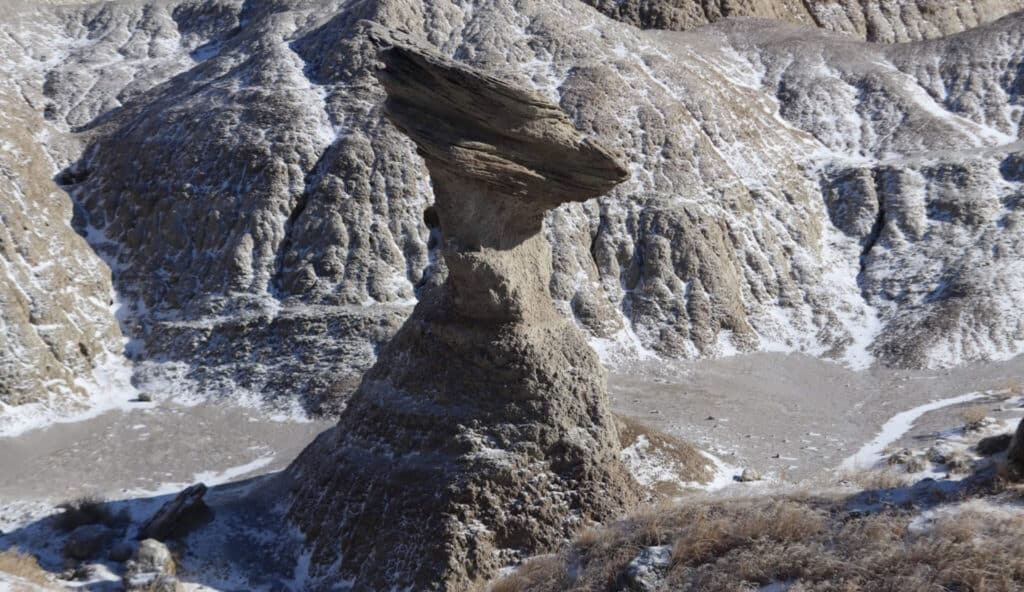
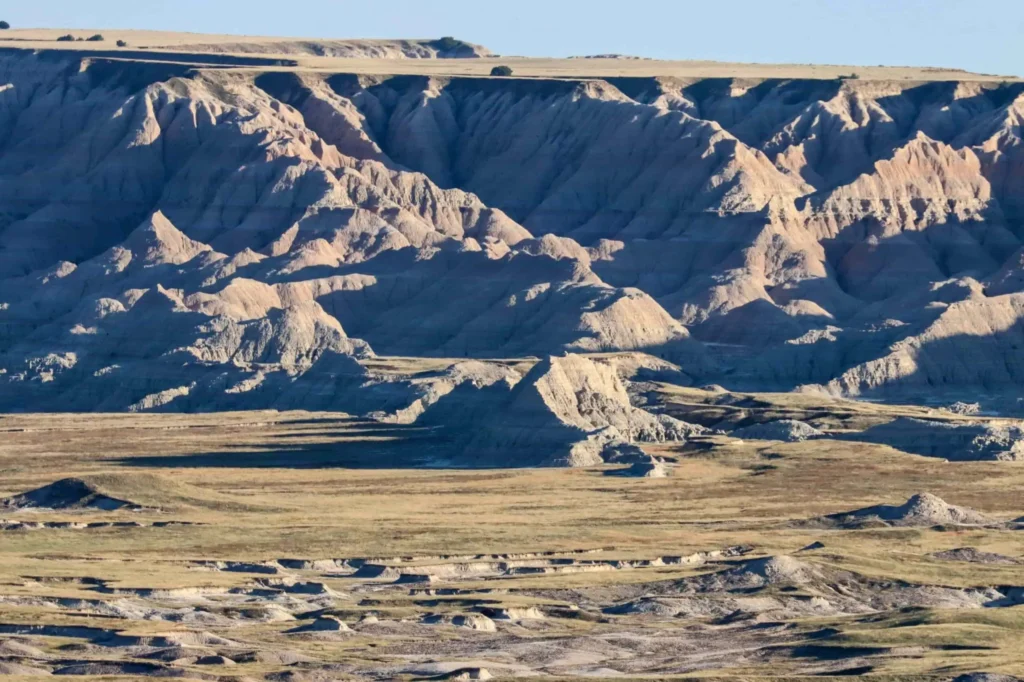

The Badlands feel open, exposed, and constantly changing. Unlike the forested enclosure of the Black Hills, these landforms reveal themselves all at once, with long sightlines and dramatic edges. Visitors often notice how distance feels different here, with features that appear close but take time to reach.
The Badlands are built from layers of sediment that were deposited over millions of years and then gradually eroded. These layers appear as bands of color and texture across hillsides and cliffs. Visitors can often trace these layers visually, noticing how subtle changes in material create distinct patterns across the landscape.
Erosion has carved the Badlands into narrow spires, jagged ridges, and steep walls. These sharp forms create strong contrast between light and shadow, especially in early morning and late afternoon. Movement through these areas is shaped by natural breaks and contours rather than forest corridors.
Between ridges and walls, the Badlands open into wide basins and flats. These areas emphasize scale and exposure, with little visual shelter and long uninterrupted views. Visitors often experience these spaces as quiet and expansive, where weather, light, and sound feel amplified.
Together, these landforms create a landscape that feels raw and immediate, shaped more by erosion than elevation.

Landforms influence far more than scenery. They shape how visitors move, how long places take to reach, and how the day unfolds once you arrive. Understanding this helps travelers plan realistically and avoid the feeling that they are constantly rushing or missing something.
In the Black Hills, enclosed terrain means views appear gradually. Roads curve through forested ridges, and travel times often feel longer than expected because movement follows natural corridors rather than straight lines. Stops tend to feel quieter and more intimate, with short sightlines and shaded spaces that encourage slower exploration.
In the Badlands, openness creates the opposite effect. Long views make distances appear shorter, yet walking across uneven ground can take more time than anticipated. Exposure to sun and wind becomes a factor, and pacing matters more than mileage alone. Visitors who understand this tend to plan fewer stops and allow more time at each one.
Recognizing how landforms affect movement helps travelers choose routes, timing, and activity levels that match the landscape. This awareness connects naturally with Travel Tips, Safety, and Preparation within the Visitor Learning Center, creating a more comfortable and confident experience overall.

Landforms do not change, but the way they appear does. Light, angle, and season shape how the Black Hills and Badlands are experienced from hour to hour and month to month. Visitors often notice that the same place can feel entirely different depending on when they arrive.
In the Black Hills, forested ridges and narrow valleys filter light throughout the day. Morning and late afternoon tend to create softer contrasts, while midday light flattens detail beneath the tree canopy. Seasonal shifts also affect color and visibility, with spring greens, summer density, fall warmth, and winter openness each revealing different aspects of the terrain.
In the Badlands, light plays a more dramatic role. Open formations catch sunlight directly, creating sharp shadows that define layers and edges. Early and late light brings out texture and depth, while midday sun can feel intense and reflective. Seasonal changes influence temperature, wind, and footing, all of which affect how long visitors remain in exposed areas.
Understanding how landforms interact with light and season helps visitors choose timing that supports comfort, visibility, and pace rather than relying on guesswork.

Many visitors arrive with expectations shaped by photos, maps, or quick descriptions. While those tools are helpful, they often flatten the experience of the Black Hills and Badlands into something simpler than it actually is. Recognizing a few common misunderstandings helps visitors arrive with clearer expectations.
One common assumption is that the Black Hills are small or easily crossed. In reality, the terrain is folded and layered, with ridges and valleys that slow travel and limit long distance views. Distances on a map rarely reflect the time it takes to move through the landscape.
Another misunderstanding is that the Badlands are empty or uniform. While the terrain may appear barren at first glance, the landforms are highly varied. Subtle changes in elevation, texture, and exposure create distinct areas that feel very different from one another, especially as light and weather shift.
Some visitors also expect landforms to remain visually consistent throughout the day. In truth, angle, shadow, and season can completely change how features appear. Understanding this helps visitors stay flexible and engaged rather than feeling disappointed when conditions differ from expectations.

Understanding landforms is one part of learning how the Black Hills and Badlands work as a whole. The Visitor Learning Center was designed to help visitors build that understanding step by step, offering focused guides that connect landscape, wildlife, weather, and travel planning into a clearer picture.
If you want to deepen this perspective, the Geology section explains how rock layers and uplift shaped these landforms over time. Ecology explores how plants and animals respond to terrain, water, and exposure. Weather helps visitors understand how conditions interact with landforms to influence comfort and visibility, while Travel Tips, Safety, and Preparation translate this knowledge into practical planning.
Each guide stands on its own, but together they help visitors move through the region with awareness rather than assumption. This approach supports better pacing, safer decisions, and a more meaningful connection to the places you explore.
The Black Hills and Badlands look completely different from each other, yet they’re geologically connected. These questions help you understand what shapes these landscapes, why they look so dramatic, and how to see their differences more clearly when you visit.
The Black Hills are an uplifted mountain range made mostly of granite, limestone, and forested slopes. The Badlands are heavily eroded sedimentary formations shaped by wind and water. One rises upward, the other is carved away.
A badland is a landscape where soft sedimentary rock has eroded into sharp ridges, gullies, and layered formations. The name reflects how difficult the terrain was to travel historically, not that it lacks beauty.
Different sediment layers contain different minerals. Iron oxides create reds and oranges, while other minerals produce grays, yellows, and lighter tones. Each band tells part of the region’s ancient story.
Uneven erosion creates them. Softer layers wear away faster than harder ones, leaving behind narrow fins, spires, and steep walls that give the Badlands their sculpted look.
Granite forms deep underground and later becomes exposed as surrounding material erodes away. Over time, weathering smooths edges, creating domes, knobs, and dramatic vertical outcrops.
The rocks themselves are incredibly old, especially in the Black Hills where some granite dates back over a billion years. The visible shapes, however, are much younger, formed by ongoing erosion.
Yes. Wind, rain, snow, and temperature shifts continue to reshape both regions. The Badlands in particular are constantly eroding, slowly altering ridgelines and slopes year after year.
Change your perspective. View them from overlooks for scale, walk short trails for texture, and notice how light transforms them at different times of day.
Visitors who want to go deeper can benefit from resources created by organizations that study, protect, and interpret the landscapes of the Black Hills and Badlands. The following sources offer reliable information that complements what you’ve learned here, especially for guests who enjoy reading before or after their visit.
The National Park Service provides detailed overviews of landforms found within Badlands National Park and other protected areas, including explanations of erosion, sediment layers, and long-term landscape change. Their educational pages help place individual formations within a broader regional context.
The United States Geological Survey (USGS) offers research-based insights into how landforms develop across the Great Plains and Black Hills uplift. These materials are useful for readers who want a deeper understanding of natural processes without relying on speculation or oversimplification.
The South Dakota Geological Survey maintains accessible resources explicitly focused on landforms found within the state. Their work helps explain why the Black Hills rise where they do and how erosion continues to shape the Badlands today.
For visitors interested in conservation and land management, the U.S. Forest Service and South Dakota Game, Fish, and Parks provide information about how public lands are protected, managed, and accessed. These resources help clarify why rules differ between parks, forests, and other protected areas.
Exploring these sources alongside the Visitor Learning Center helps visitors build a well-rounded understanding of the landscape, grounded in science, stewardship, and long-term observation.
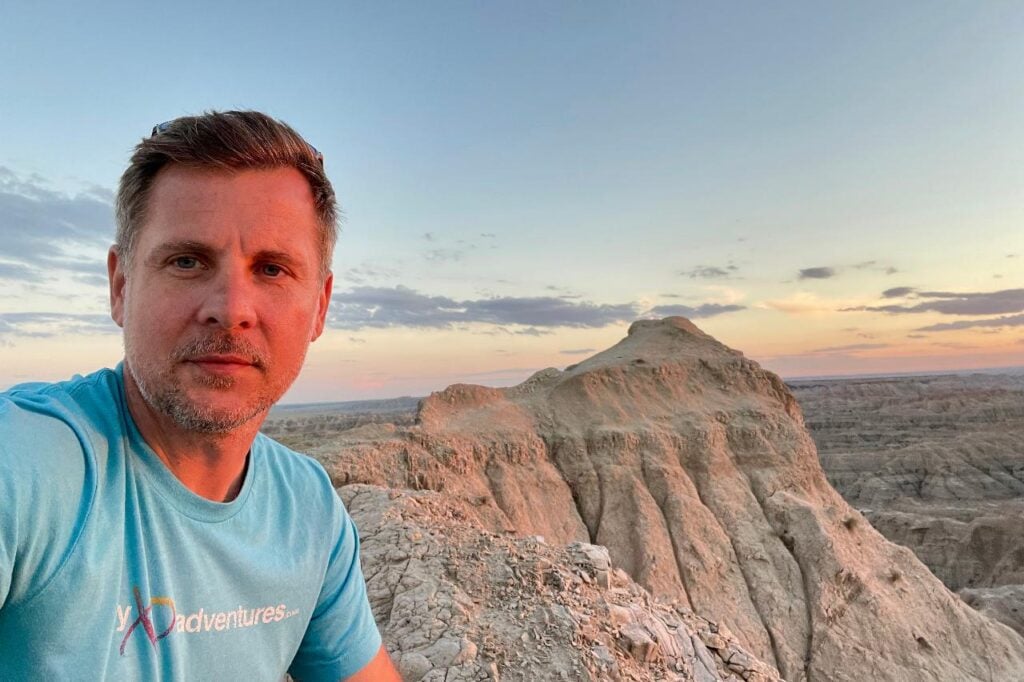
This guide was created by My XO Adventures, a locally owned tour company dedicated to helping visitors understand the Black Hills and Badlands beyond surface level experiences. Our approach is grounded in observation, storytelling, and a deep respect for how land, history, and natural systems connect.
We guide small groups through the region with an emphasis on awareness rather than checklists. That means helping guests recognize landforms, notice patterns, and move through each place with curiosity and care. The Visitor Learning Center was built as an extension of that philosophy, offering clear, reliable information visitors can trust before they arrive.
Every page is shaped by time spent in the field, listening to questions, and watching how people experience the landscape when they feel informed rather than rushed. Our goal is to support thoughtful travel that honors the land and leaves visitors feeling more connected to where they’ve been.
Understanding the land changes the way a day unfolds. When visitors know what they’re seeing, how terrain shapes movement, and why places feel the way they do, travel becomes calmer, more flexible, and far more rewarding.
If you’d like help turning this understanding into a well-paced experience, My XO Adventures offers Private Tours designed to show how the Black Hills and Badlands actually work. Routes, timing, and activity levels are shaped by the landscape itself, allowing space for curiosity, comfort, and connection along the way.
Explore the region with intention, guided by insight rather than assumption.