Explore the national parks, monuments, and protected landscapes that preserve the wildlife, geology, and cultural heritage of the Black Hills and Badlands.
The Black Hills and Badlands aren’t shaped only by geology and ecology. They’re also shaped by how land is protected, managed, and accessed. National parks, monuments, memorials, state parks, and other protected lands each serve a different purpose, and those differences directly affect what you can do, where you can go, and how the experience feels on the ground. If you’re planning your itinerary, understanding these land types makes it much easier to choose the right things to do in the Black Hills and Badlands and match them to the pace, scenery, and access you want.
This guide explains how parks monuments and protected lands shape access, preservation, and visitor experience across the Black Hills and Badlands. Its purpose is to help visitors understand how different land designations work, why they exist, and how protection balances public access with long-term care. Knowing where you are and how a place is managed leads to better planning, fewer surprises, and more respectful travel.
Many visitors are surprised to learn that rules, access, and even the feel of a place can change dramatically from one protected area to another. Understanding these differences helps travelers make informed choices and approach each landscape with appropriate expectations.
This page explains how parks monuments and protected lands function across the Black Hills and Badlands. You’ll learn the differences between national parks, monuments, memorials, state parks, and other protected areas, how these designations affect access and preservation, and what visitors should know before arriving.

Not all protected lands are created for the same purpose. The way a place is designated influences what visitors can do, how they move through it, and what responsibilities come with access. Understanding these differences helps visitors plan more effectively and avoid unexpected limitations.
National parks often prioritize preservation alongside visitor access, offering maintained roads, visitor centers, and clear rules designed to protect sensitive landscapes. Monuments may focus on preserving specific features or cultural resources, sometimes allowing for a different balance of access and protection. State parks and locally managed areas can vary widely, reflecting regional priorities and management styles.
These differences affect everything from trail availability and vehicle access to photography, wildlife viewing, and seasonal closures. A location that feels open and flexible in one park may require more structure or restraint in another.
My XO Adventures helps visitors navigate these distinctions by explaining how land designations shape experience rather than treating all protected areas as interchangeable. Knowing the type of land you are entering leads to better decisions, smoother travel, and more meaningful time in each place.
This understanding connects naturally with the Travel Tips, Safety, and Preparation sections of the Visitor Learning Center, where planning and awareness support responsible visitation.

As visitors move through the Black Hills and Badlands, they will encounter several types of protected lands, each managed for a different purpose. Knowing these distinctions helps travelers understand why experiences can vary so widely from one place to another.
National parks are designed to protect large landscapes while providing public access. These areas often include visitor centers, paved roads, established viewpoints, and maintained trails. Regulations tend to be clearly defined, with an emphasis on preserving natural and cultural resources for future generations.
National monuments are typically created to protect specific features, places, or stories. Some focus on geological formations, others on cultural or historical significance. Access can feel more flexible in certain areas, while still requiring respect for sensitive sites and resources.
National memorials honor people, events, or ideas tied to specific locations. While they may feel more structured, they still exist within broader protected landscapes and often carry cultural meaning beyond their immediate purpose.
South Dakota State parks and state-managed lands vary widely in size, access, and amenities. These areas often reflect regional priorities and can offer quieter experiences alongside fewer services.
Each designation shapes how land is cared for and how visitors interact with it. Understanding these categories helps travelers set expectations and approach each place with awareness rather than assumption.
U.S. Department of the Interior: I highly recommend this resource. It explains the difference between them all and gives wonderful examples.


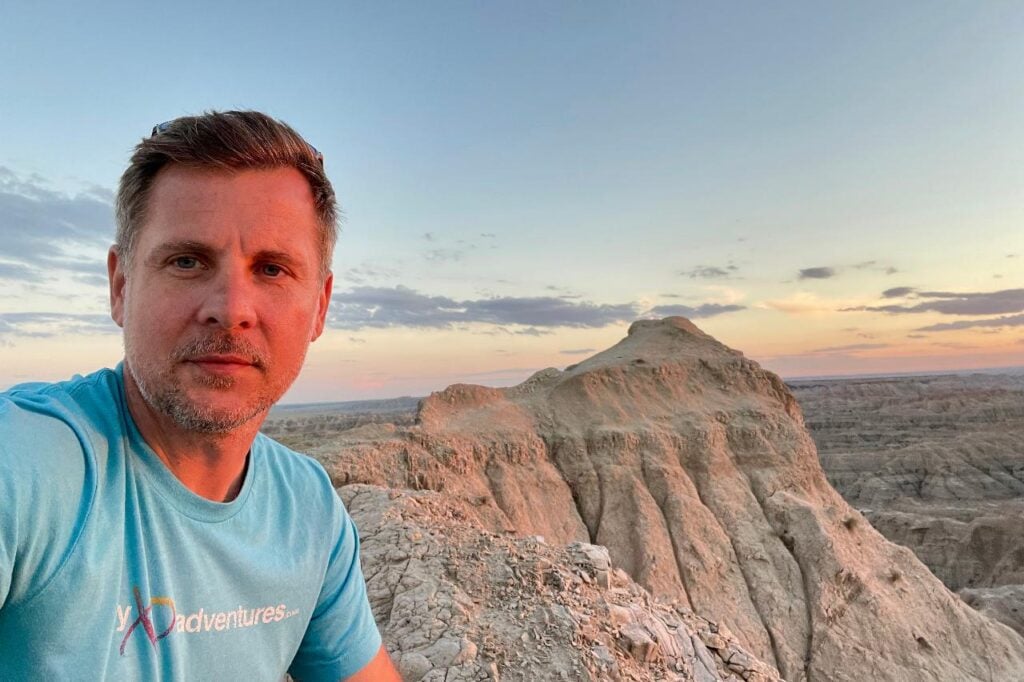
Badlands National Park
A protected mix of dramatic eroded formations, mixed grass prairie, and important fossil resources. It is one of the clearest places in the region to understand deep time, prairie ecology, and wide open visibility for wildlife and weather awareness.
Badlands Wilderness Area
A large protected prairie wilderness within Badlands National Park, set aside to keep a significant portion of the park undeveloped and wild. It is especially important for visitors who want a quieter experience and a clearer sense of what the Badlands feel like without modern infrastructure.
Bear Butte State Park
A striking landmark near Sturgis with deep cultural and spiritual meaning for many Indigenous Nations. It matters because it is both a public recreation space and a place that calls for extra respect and awareness from visitors.
Black Elk Wilderness
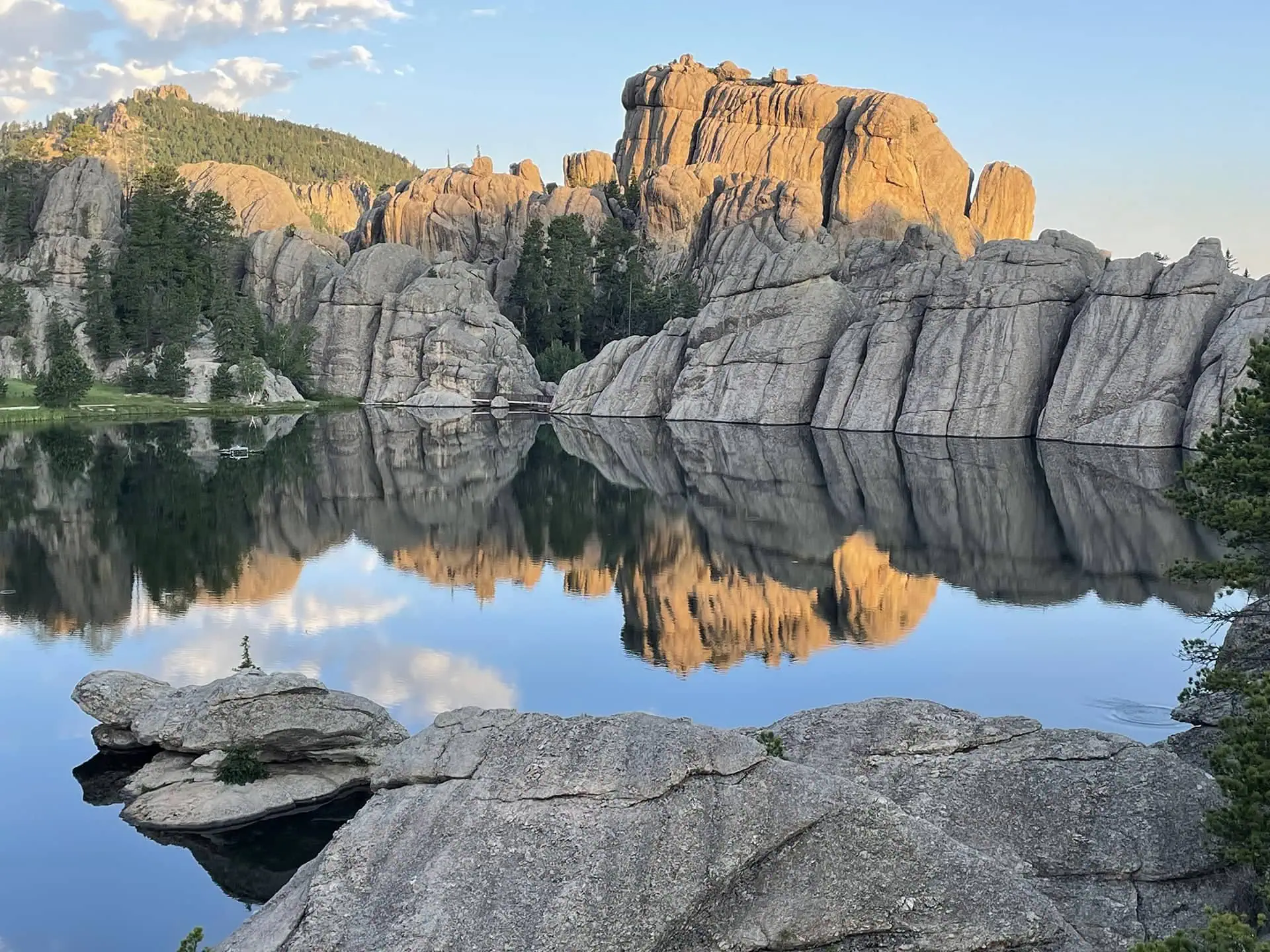
The only designated wilderness area within Black Hills National Forest. It protects a core section of the central Black Hills and matters because it preserves a quieter, less developed experience inside one of the region’s most visited forest landscapes.
Black Hills National Forest
A vast federal forest of pine-covered hills, granite spires, lakes, and trail networks that shape much of the Black Hills visitor experience. It matters because it is where many iconic drives, hikes, and dispersed recreation opportunities are located outside national park sites.
Buffalo Gap National Grassland
A massive protected grassland complex surrounds much of the Badlands region. It matters because it provides vast prairie ecosystems, public access across a large landscape, and frequent wildlife viewing opportunities in areas that feel less crowded than the park itself.
Canyon Lake Park
Canyon Lake Park surrounds Canyon Lake in Rapid City and provides recreational access alongside protected water and riparian habitat. The park plays a vital role in flood control, wildlife habitat, and outdoor recreation within the city.
Custer National Forest (South Dakota Portion)
The South Dakota portion of Custer National Forest protects approximately 73,536 acres of grassland, buttes, and wooded draws separate from the larger Montana forest. This area matters because it preserves wildlife habitat and public access across a rugged landscape that feels distinctly different from the Black Hills.
Custer State Park
A flagship South Dakota park known for its scale, wildlife habitat, and some of the most scenic drives in the region. It matters because it is one of the best places to experience the Black Hills as a living landscape where wildlife, forests, and visitor access all intersect.
The George S. Mickelson Trail is a former railroad corridor converted into a multi-use trail stretching across the Black Hills. It matters because it provides a low-impact way to experience forests, rock cuts, tunnels, and historic rail bridges while connecting many Black Hills communities.
Hansen Larson Memorial Park
Hansen Larson Memorial Park is a city-managed park in Rapid City that protects green space along Rapid Creek. It offers walking paths, creek access, and quiet areas that connect urban visitors to the surrounding landscape.
Jewel Cave National Monument
One of the longest mapped cave systems in the world, it is protected for both its fragile underground formations and its scientific value. It matters because it adds an entirely different layer to the region, an underground landscape that changes how visitors understand the Black Hills.
Minuteman Missile National Historic Site
A protected site that interprets the Cold War landscape and the missile fields that once operated across the region. It matters because it provides a modern historical context that many visitors do not expect when planning a trip to the Black Hills and Badlands.
Mount Rushmore National Memorial
A major national memorial site with extremely high visitation and a highly structured visitor experience. It matters because it is a central travel anchor for many itineraries, and it sits within a broader landscape whose meaning extends beyond the memorial itself.
Norbeck Wildlife Preserve
A federally protected preserve within the Black Hills National Forest area that includes major scenic corridors and core Black Hills landscapes. It matters because it serves as a protective layer within the forest, helping explain why some parts of the Black Hills feel more intentionally preserved than others.
Rocky Point Recreation Area
Rocky Point Recreation Area sits along the Cheyenne River and offers a quieter recreation setting focused on fishing, camping, and shoreline access. The area is valued for its open views, river habitat, and relaxed pace compared to more developed recreation sites.
Shadehill Recreation Area
Shadehill Recreation Area protects the lands surrounding Shadehill Reservoir in northwestern South Dakota. It supports boating, fishing, camping, and wildlife habitat while serving as an important water management and recreation area within the region’s prairie landscape.
Slim Buttes National Forest
Slim Buttes National Forest protects an isolated forested ridge rising above the surrounding prairie in northwestern South Dakota. The area is important for wildlife habitat, archaeological resources, and as a rare forested landscape within a largely open grassland region.
Spearfish Canyon Nature Area
Spearfish Canyon Nature Area protects a dramatic limestone canyon carved by Spearfish Creek. The area is known for its waterfalls, forested slopes, and scenic drives, offering a striking contrast to surrounding plains and foothills.
Wind Cave National Park
A national park that protects both a surface prairie ecosystem with wildlife and one of the world’s most complex cave systems below. It matters because it shows visitors that the Black Hills are not only forests and granite, but also prairie, wildlife movement, and fragile underground terrain.

Protected lands shape far more than scenery. They influence how visitors move through the region, what activities are allowed, and how much responsibility comes with access. Knowing where you are and how a place is managed helps avoid confusion, frustration, and unintentional harm to sensitive landscapes.
Some protected areas are designed for high visitation, with paved roads, overlooks, and visitor centers. Others exist primarily to safeguard wildlife habitat, water systems, or cultural resources, which means limited access, seasonal closures, or fewer amenities. These differences are not obstacles. They are signals about how the land is meant to be experienced.
My XO Adventures emphasizes understanding these distinctions because informed visitors tend to travel more thoughtfully. When expectations match reality, experiences feel smoother and more meaningful. Visitors are better prepared to adjust plans, respect boundaries, and appreciate why protection exists in the first place.
This awareness connects naturally with planning topics like Travel Tips, Safety, and Preparation, where knowing how land is managed supports confident decision making throughout the day.

Rules within protected lands are not arbitrary. They exist to protect fragile ecosystems, cultural sites, wildlife, and future visitor experiences. Understanding why guidelines differ from one area to another helps visitors move through the landscape with confidence rather than hesitation.
In some places, staying on marked trails protects rare plants or prevents erosion. In others, seasonal closures support wildlife breeding, migration, or cultural practices that continue today. Vehicle access, photography guidelines, and activity restrictions often reflect the specific purpose of the land rather than a one size fits all approach.
Visitors who take time to understand these differences tend to have more rewarding experiences. They spend less energy navigating uncertainty and more time observing, learning, and connecting with the place they are in.
This mindset pairs naturally with the Safety and Preparation sections of the Visitor Learning Center, where awareness and readiness support responsible exploration across the Black Hills and Badlands.

Many visitors are surprised by how closely protected lands sit next to one another in western South Dakota. A single day may include time in a national park, a national forest, and a state managed area, each with different expectations and access rules.
Planning with these distinctions in mind helps travelers move smoothly between places. Time estimates change depending on road types, speed limits, and stops allowed. Services such as restrooms, fuel, or cell coverage may exist in one area and disappear in the next. Understanding these transitions reduces stress and supports realistic daily plans.
My XO Adventures encourages visitors to think in terms of landscapes rather than checklists. Fewer locations, explored with awareness, often create more meaningful experiences than rushing between sites. This approach allows time for weather shifts, wildlife sightings, and moments that do not appear on maps.
For broader trip flow, this section pairs well with Travel Tips and Weather, where timing, conditions, and distance play a major role in shaping each day.

One of the most common misunderstandings is assuming all protected lands operate the same way. Visitors may expect the same access, amenities, or flexibility everywhere, which can lead to frustration or missed opportunities when conditions differ.
Another misconception is that protection limits experience. In reality, protection often deepens it. Quiet areas, limited access zones, and clearly defined boundaries exist so wildlife can move freely, cultural places can remain intact, and landscapes can retain their character over time.
Some visitors also assume that less developed areas are less important. Many of the most ecologically and culturally significant places in western South Dakota have minimal infrastructure by design. These areas reward patience, preparation, and observation rather than speed or convenience.
Understanding these nuances helps visitors adjust expectations and approach each place with curiosity instead of comparison. This perspective aligns closely with the Ecology and Indigenous History and Cultural Perspectives sections of the Visitor Learning Center, where context adds depth to experience.

Protected lands across western South Dakota do not exist in isolation. National parks, forests, grasslands, wildlife refuges, state parks, and local preserves function as connected pieces of a much larger landscape. Wildlife moves across boundaries. Water systems flow from one designation into another. Cultural and historical connections extend far beyond any single park sign.
Understanding how parks monuments and protected lands function as a connected system changes how visitors experience the region. A bison herd may graze within a state park and move through adjacent forest land. Migratory birds rely on grasslands, wetlands, and reservoirs managed by different agencies throughout the year. What appears as separate destinations on a map is, in reality, one living network.
This broader view encourages slower travel and deeper observation. Instead of focusing on individual sites, visitors begin to notice patterns, transitions, and relationships between places. That awareness supports more thoughtful decisions and a greater appreciation for why protection exists across so many layers.
This systems perspective connects directly with Wildlife, Ecology, and Weather, where movement, change, and balance shape every experience in the Black Hills and Badlands.

Protected lands across western South Dakota do not exist in isolation. National parks, forests, grasslands, wildlife refuges, state parks, and local preserves function as connected pieces of a much larger landscape. Wildlife moves across boundaries. Water systems flow from one designation into another. Cultural and historical connections extend far beyond any single park sign.
Understanding this system helps visitors see the region more clearly. A bison herd may graze within a state park and move through adjacent forest land. Migratory birds rely on grasslands, wetlands, and reservoirs managed by different agencies throughout the year. What appears as separate destinations on a map is, in reality, one living network.
This broader view encourages slower travel and deeper observation. Instead of focusing on individual sites, visitors begin to notice patterns, transitions, and relationships between places. That awareness supports more thoughtful decisions and a greater appreciation for why protection exists across so many layers.
This connects naturally with Wildlife, which explains how animals move across protected lands, and Ecology, which explores how these landscapes function together.

Learning how parks monuments and protected lands work helps visitors move through the Black Hills and Badlands with clarity and respect. When expectations align with reality, travel feels smoother, more flexible, and more meaningful.
If you’d like help turning this knowledge into a well paced experience, My XO Adventures offers Private Group Tours designed around understanding the land, its stories, and the way different places connect. Each day is shaped by conditions, guest comfort, and a shared sense of curiosity.
You’re welcome to continue exploring the Visitor Learning Center or reach out to begin planning a trip that feels thoughtful, informed, and grounded in place.
Managed by federal state and local agencies
Includes national parks monuments forests grasslands wildlife refuges and state parks
Access rules vary by designation and purpose
Many lands overlap ecological and cultural systems
Visitor experience changes based on protection level
The Black Hills and Badlands region includes national parks, state parks, monuments, forests, and tribal lands. Each has its own purpose, management style, and rules. These questions help you understand the differences so you can explore responsibly and plan more efficiently.
National parks are designated for broad scenic and ecological preservation and typically include larger protected areas. National monuments are often established to protect a specific natural or cultural feature.
State parks are managed at the state level and may focus more on recreation and regional conservation. National parks are federally managed and often emphasize preservation and interpretation on a national scale.
Yes. Each park or monument sets its own fee structure. Some national park passes may cover certain federal lands but not state parks.
They protect wildlife habitat, geological formations, cultural history, and recreational access for future generations.
Yes. National forests often allow more varied recreational uses such as dispersed camping, while national parks typically have stricter regulations.
Drone policies vary, but many national parks prohibit them. Always check current regulations before flying.
Weather, wildlife protection, and maintenance needs can limit access during certain times of year.
Follow posted rules, stay on trails, respect wildlife, pack out trash, and support educational programs and responsible tourism practices.
Daniel Milks is the founder and lead guide of My XO Adventures, a small group tour company based in western South Dakota. His work centers on helping visitors understand the Black Hills and Badlands as living landscapes shaped by geology, ecology, weather, culture, and time.
Daniel approaches guiding as interpretation rather than recreation. Each experience is designed to slow the pace, encourage curiosity, and help guests recognize how protected lands function as connected systems rather than isolated destinations. His background in regional history, ecology, and hands on guiding informs both the tours he leads and the educational resources within the Visitor Learning Center.
Learning how parks monuments and protected lands are managed helps visitors travel with confidence and care.