
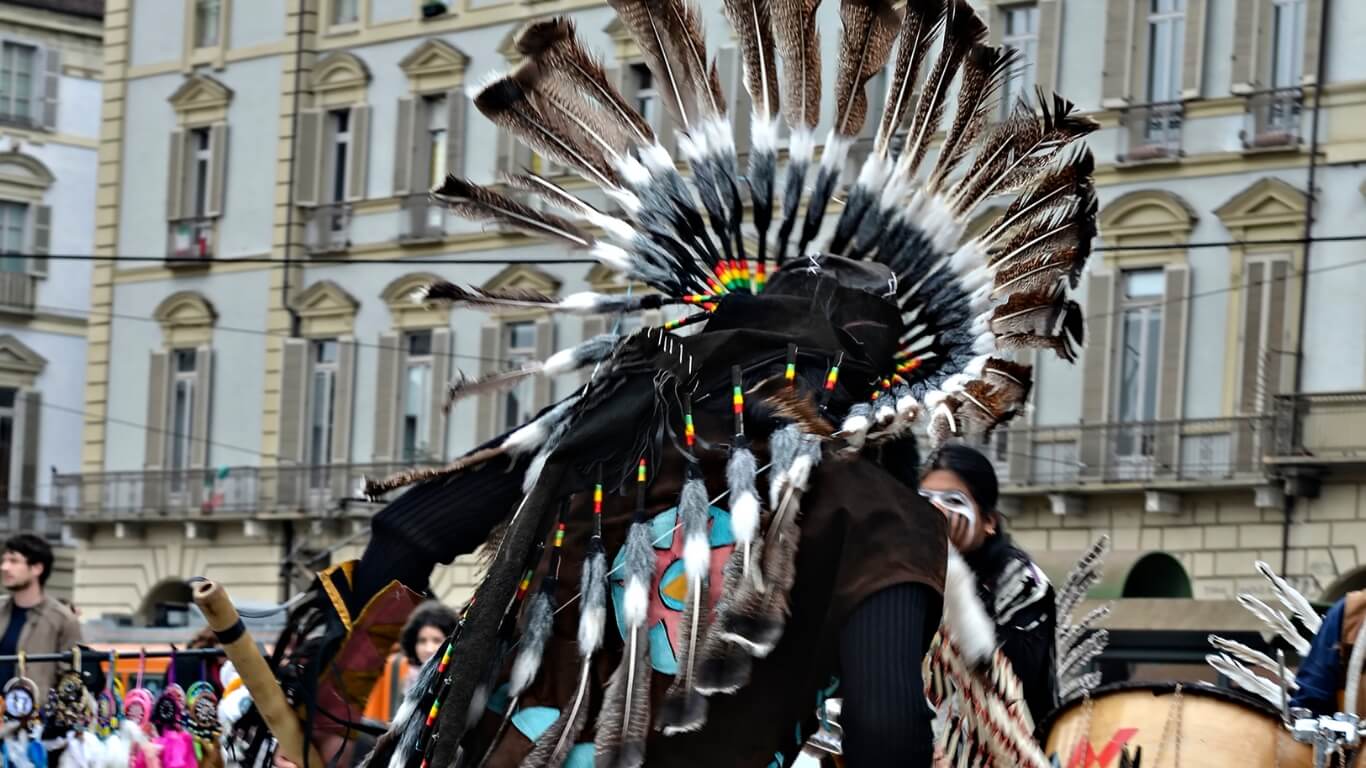
Discover the cultural significance of the Black Hills and Badlands through Indigenous perspectives, history, and the enduring connection between people and place.
This page explores Indigenous history and cultural perspectives connected to the Black Hills and Badlands of South Dakota, offering context that helps visitors understand the deeper meaning of these landscapes and how to approach them with respect.
Indigenous history in the Black Hills and Badlands is not confined to the past. Indigenous Nations continue to maintain cultural, spiritual, and familial relationships with this land today. These relationships are active, lived, and ongoing, even when they are not immediately visible to visitors.
For many Indigenous cultures, land is not simply a resource or a backdrop for activity. It is a relative, a teacher, and a source of responsibility. Stories, ceremonies, seasonal movements, and cultural teachings are connected to specific places across the landscape. Some of these connections are shared publicly, while others remain within families and communities and are not intended for public disclosure.
My XO Adventures does not approach these lands as purely recreational spaces. Our role is to help visitors understand that they are entering places with existing meaning, history, and relationships. It is also a reminder that people, places, plants, wildlife, earth, and sky are interconnected. We guide with the understanding that learning begins with humility and awareness.
Recognizing Indigenous presence as ongoing invites visitors to slow down and reconsider how they move through the region. What may appear to be a scenic overlook or trail is often part of a broader cultural landscape. Understanding this perspective helps visitors approach the Black Hills and Badlands with greater care, respect, and attentiveness.
This perspective also connects with the Sacred Sites and Parks, Monuments, and Protected Lands sections of the Visitor Learning Center, where stewardship, access, and responsibility are explored in greater depth.

For many Indigenous Nations, the Black Hills are not simply a geographic region. They are a sacred landscape shaped by origin stories, spiritual teachings, and long standing responsibilities that connect people to place. These meanings exist alongside modern park boundaries and land designations, even when they are not acknowledged on maps or signs.
Sacred does not always mean marked or visible. In many cases, significance is conveyed through stories, seasonal practices, and relationships maintained across generations. Some places are widely known, while others are intentionally unnamed or protected through privacy. Not all knowledge is meant to be shared publicly, and that absence is part of what deserves respect.
Visitors may encounter locations that feel especially quiet or powerful without fully understanding why. Rather than seeking explanation, respectful travel begins with recognition that meaning does not depend on access or interpretation. Silence, distance, and restraint are often the appropriate response.
My XO Adventures approaches the Black Hills with the understanding that these lands carry layers of meaning beyond recreation or scenery. Our role is to help visitors recognize that they are entering a place shaped by sacred relationships, and to encourage movement through the landscape with care, attentiveness, and humility.
This understanding connects closely with the Sacred Sites and Indigenous History sections of the Visitor Learning Center, where respectful awareness and responsibility are explored further. Understanding Indigenous presence enhances the context for sacred places such as Devils Tower and Bear Lodge. Cultural insights connect with broader learning in the Sacred Sites and Parks guides.

The Badlands are often described through geology and visual contrast, but for Indigenous Nations they are also landscapes of teaching. The layered formations, open prairie, and exposed terrain hold lessons about time, endurance, adaptation, and relationship with the natural world.
Teaching landscapes are not classrooms in a traditional sense. Knowledge is passed through observation, story, and experience over time. The Badlands invite attention to movement, weather, and the way life persists in harsh conditions. These teachings are subtle and are not always explained directly. They are learned by being present and paying attention.
Not all teaching is meant for visitors to access fully. Some lessons are shared within communities, while others are simply embodied in the land itself. Respectful visitation means recognizing that learning does not require explanation or interpretation. Sometimes it requires restraint and listening rather than inquiry.
My XO Adventures approaches the Badlands with this understanding. Rather than presenting the land as something to conquer or complete, we encourage visitors to slow down, observe carefully, and recognize that meaning can exist without being named. This approach supports thoughtful movement through places that retain cultural significance today.
This perspective aligns naturally with the Geology, Ecology, and Sacred Sites sections of the Visitor Learning Center, where different layers of understanding converge.

Respectful visitation begins with recognizing that not every place is meant to be accessed, explained, or photographed. Cultural boundaries exist even when they are not marked by signs or fences. In many cases, they are maintained through shared understanding rather than enforcement.
Visitors may encounter offerings, cloth ties, stones, or areas that feel intentionally quiet. These are not decorative elements or points of curiosity. They reflect ongoing cultural practices and personal expressions of relationship with the land. Choosing not to touch, move, or document these items is an important part of respectful presence.
Staying on established trails, observing from a distance, and avoiding disruption supports both cultural integrity and environmental care. Silence and patience are often more appropriate than questions or documentation. Respect does not require full understanding. It requires awareness and restraint.
My XO Adventures encourages visitors to approach the land as guests rather than observers. This perspective helps create space for learning without intrusion and allows cultural meaning to remain intact for those who hold it. Respectful visitation is not about avoiding places. It is about knowing how to be present within them.
This guidance aligns closely with the Safety, Preparation, and Sacred Sites sections of the Visitor Learning Center, where responsibility and awareness are further explored.

Learning about Indigenous history and cultural perspectives does not require visitors to seek access to knowledge that is not theirs to hold. It begins with curiosity balanced by respect, and with an understanding that some stories are shared publicly while others are not.
Visitors can learn with care by reading from Indigenous voices and institutions that choose to share their history and perspectives. Museums, cultural centers, and educational resources created or supported by Indigenous Nations offer context that reflects lived experience rather than interpretation from outside sources. Seeking out these resources supports learning without intrusion.
Observation is also a form of learning. Paying attention to how landscapes change with season, light, and weather builds understanding over time. Quiet presence allows space for reflection without requiring explanation. In many cases, what is not said carries as much meaning as what is shared.
My XO Adventures approaches learning as a process rather than a checklist. Our role is to help visitors recognize when curiosity should be paired with restraint and when listening matters more than asking. Learning with care supports travel that is thoughtful, grounded, and respectful of the relationships that continue to shape the Black Hills and Badlands.

Many visitors arrive with limited exposure to Indigenous history beyond textbooks, place names, or brief exhibits. As a result, it is common to misunderstand how Indigenous relationships with land differ from modern recreational or tourism based use.
One common misunderstanding is the idea that cultural significance belongs only to the past. In reality, Indigenous relationships with the Black Hills and Badlands continue today through ceremony, teaching, and responsibility. Another assumption is that access equals understanding. Some places hold meaning precisely because they are not interpreted publicly or made accessible.
Visitors may also assume that parks and monuments fully represent Indigenous perspectives. While these designations protect land in important ways, they do not replace Indigenous relationships or authority. Cultural meaning exists alongside modern boundaries rather than being defined by them.
Clarifying these ideas helps visitors move through the region with greater awareness. Respect does not require perfect knowledge or certainty. It requires a willingness to pause, adjust expectations, and accept that some understanding comes from presence rather than explanation.
My XO Adventures includes this context so visitors can approach the land with fewer assumptions and more care. Thoughtful travel begins when expectations shift from consumption to relationship.

One of the most respectful ways to learn about Indigenous history and cultural perspectives is to seek out resources created or guided by Indigenous Nations themselves. These voices offer context rooted in lived experience and shared intentionally for public learning.
Visitors interested in deeper understanding may explore Indigenous cultural centers, museums, and educational organizations connected to the Black Hills and surrounding Plains. These spaces often share history, language, and teaching through exhibits, storytelling, and community guided interpretation. Learning in these settings supports both understanding and the continuation of cultural knowledge.
National parks and public lands sometimes partner with Indigenous Nations to share limited cultural context, but these materials are only one part of a much larger story. When possible, prioritizing Indigenous led resources helps visitors learn without extracting or oversimplifying meaning.
My XO Adventures encourages guests to approach learning as a relationship rather than a collection of facts. Choosing sources carefully, listening more than speaking, and recognizing the limits of what can be shared publicly all support thoughtful engagement.
The Black Hills hold deep cultural, spiritual, and historical significance for many Indigenous Nations, including the Lakota, Dakota, and Nakota. These lands have long been places for ceremony, cultural teaching, and connection to the natural world. The Black Hills are often understood not simply as land, but as a living landscape with spiritual meaning and responsibility.
Yes. Indigenous Nations maintain ongoing cultural, spiritual, and familial connections to the Black Hills and surrounding landscapes. These relationships continue through ceremonies, community traditions, cultural education, and advocacy for the protection of important places.
Some locations hold cultural or ceremonial importance that communities choose not to share publicly. Protecting these places helps prevent damage, overcrowding, or disruption of cultural practices. Respecting these boundaries is an important part of responsible visitation.
Visitors can show respect by staying on designated trails, following posted guidelines, avoiding disturbance of natural or cultural features, and approaching the landscape with curiosity and humility. Learning about the cultural history of the region before visiting is also an important step.
Yes. Indigenous perspectives often emphasize relationships between people, land, wildlife, water, and the sky. This understanding encourages visitors to see the Black Hills and Badlands not only as scenic destinations, but as living landscapes with ongoing cultural meaning.
Learning Indigenous history provides a fuller understanding of the region and its cultural significance. It helps visitors recognize that the landscapes they are exploring have long-standing relationships with Indigenous communities that continue today.
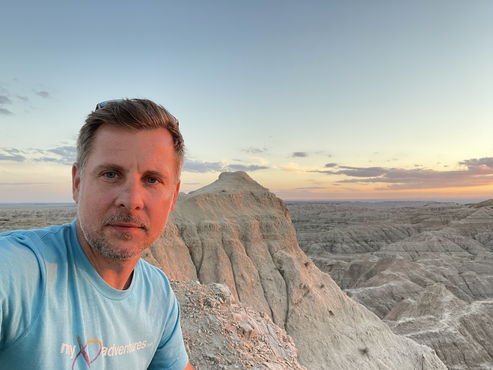
Daniel Milks is the founder and lead guide of My XO Adventures, where his work centers on helping visitors understand the Black Hills and Badlands as living landscapes shaped by history, ecology, and human relationship. His approach to guiding is rooted in observation, patience, and respect for the land and the people connected to it.
Daniel does not present himself as a cultural authority. Instead, he focuses on creating space for learning by encouraging curiosity paired with humility. His guiding philosophy emphasizes listening, context, and awareness, allowing guests to experience the region with greater understanding rather than checklist driven tourism.
Through the Visitor Learning Center, Daniel shares practical guidance and thoughtful perspective drawn from years spent moving through these landscapes in all seasons. Each page is designed to support informed, respectful travel and to help visitors arrive prepared, attentive, and open to learning.
Visitors who want to continue learning beyond this guide are encouraged to seek out Indigenous-led and educational resources that share history and cultural context intentionally and responsibly. These sources offer perspectives rooted in lived experience and long standing relationship with the land.
The following organizations provide reliable, respectful information connected to Indigenous history in the Black Hills and surrounding regions:
Oglala Lakota College
Offers cultural, historical, and educational resources grounded in Lakota perspectives.
Crazy Horse Memorial Foundation
Shares Lakota history, culture, and ongoing educational initiatives connected to the Black Hills.
Journey Museum and Learning Center
Provides exhibits on Indigenous history, archaeology, and regional cultures of the Black Hills.
National Museum of the American Indian (Smithsonian Institution)
Offers Indigenous-authored and curated resources that provide broader historical and cultural context.
Lakota Language Consortium
Supports language preservation and cultural understanding through education and publications.
Learning from Indigenous-led and educational organizations allows visitors to deepen their understanding without overstepping boundaries. These resources are shared publicly and with intention, offering context while respecting what is not meant for public explanation.
My XO Adventures encourages guests to approach continued learning with care, curiosity, and respect for the voices that choose to share their history and knowledge.
Thoughtful travel begins with understanding. The more context visitors carry with them, the more meaningful and respectful their time in the Black Hills and Badlands becomes.
If you are planning a visit and want to explore the region with awareness, patience, and care, My XO Adventures offers guided experiences shaped by learning, observation, and respect for the land and its many layers of meaning.
We invite you to explore further through the Visitor Learning Center or reach out with questions as you plan your time here. Travel becomes richer when curiosity is paired with understanding.