Black Hills Wildlife

The Black Hills wildlife is diverse. See animals move through the land with a quiet strength and a sense of belonging that shapes every visitor’s experience. Wildlife here is not something you glance at once and forget. It becomes part of the story of your trip. A bison grazing against a backdrop of sunlit hills. A pronghorn racing across a meadow. A prairie dog popping up with curiosity. A golden eagle rising on warm air. These moments stay with you. They root the place into memory.

This page of the Visitor Learning Center helps guests understand the wildlife they may see, why these animals behave the way they do, and how to enjoy encounters with respect and awareness. When visitors travel with knowledge, the land reveals itself in ways that feel natural and full of meaning. The goal is not only to watch wildlife but to feel connected to the living system that supports them. The more you learn, the richer your experience becomes.

Black Hills Wildlife: A Living Spirit

The Black Hills and Badlands are home to animals that move through the land with a quiet strength and a sense of belonging that shapes every visitor’s experience. Wildlife here is not something you glance at once and forget. It becomes part of the story of your trip. A bison grazing against a backdrop of sunlit hills. A pronghorn racing across a meadow. A prairie dog popping up with curiosity. A golden eagle rising on warm air. These moments stay with you. They root the place into memory.

This page of the Visitor Learning Center helps guests understand the wildlife they may see, why these animals behave the way they do, and how to enjoy encounters with respect and awareness. When visitors travel with knowledge, the land reveals itself in ways that feel natural and full of meaning. The goal is not only to watch wildlife but to feel connected to the living system that supports them. The more you learn, the richer your experience becomes.


burrowing owl

The Living Spirit of the Black Hills and Badlands

Visitors often describe a sense of presence in this region, a feeling that the land itself is alive. Wildlife plays a large part in that feeling. The hills, prairies, and canyons hold animals that move with purpose and grace. Each species carries a role that supports the larger balance. When guests understand those roles, they begin to see the land through the eyes of the animals that live here.

A Landscape Shaped by Movement and Connection

In the open prairie, pronghorn can travel faster than any other land mammal in North America. In the forests, deer step quietly through stands of ponderosa pine. On the cliffs of the Badlands, big horn sheep stand with confidence that seems impossible from a distance. Coyotes and foxes weave through grasslands with awareness shaped by long practice. Birds fill the sky with calls that change through each season.

Everything moves in rhythm with the land. Learning this helps guests connect with the deeper character of the region.

wildlife badlands national park
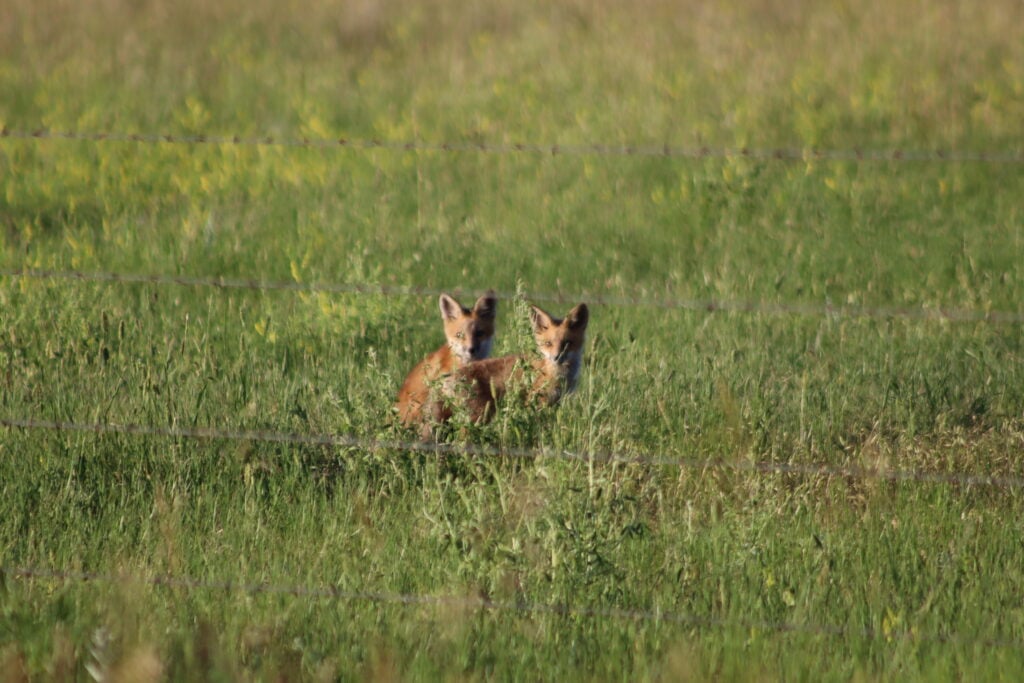
swift fox is a rare spotting while sightseeing in badlands national park.

Pronghorn, Swift Travelers of the Plains

Pronghorn move across the open land with grace that seems lifted from a different era. Their speed evolved long ago to escape predators that no longer roam the plains, yet the ability remains. Seeing them run across South Dakota grasslands can be breathtaking.

The Beauty of Motion in Open Land

Pronghorn often travel in small groups, lifting their heads to scan the horizon with sharp vision. Their markings glow in golden light, and their movements appear effortless. Learning about their behavior helps guests enjoy sightings even more.


wildlife tour of the black hills pronghorn anetelope black hills wildlife

Big Horn Sheep

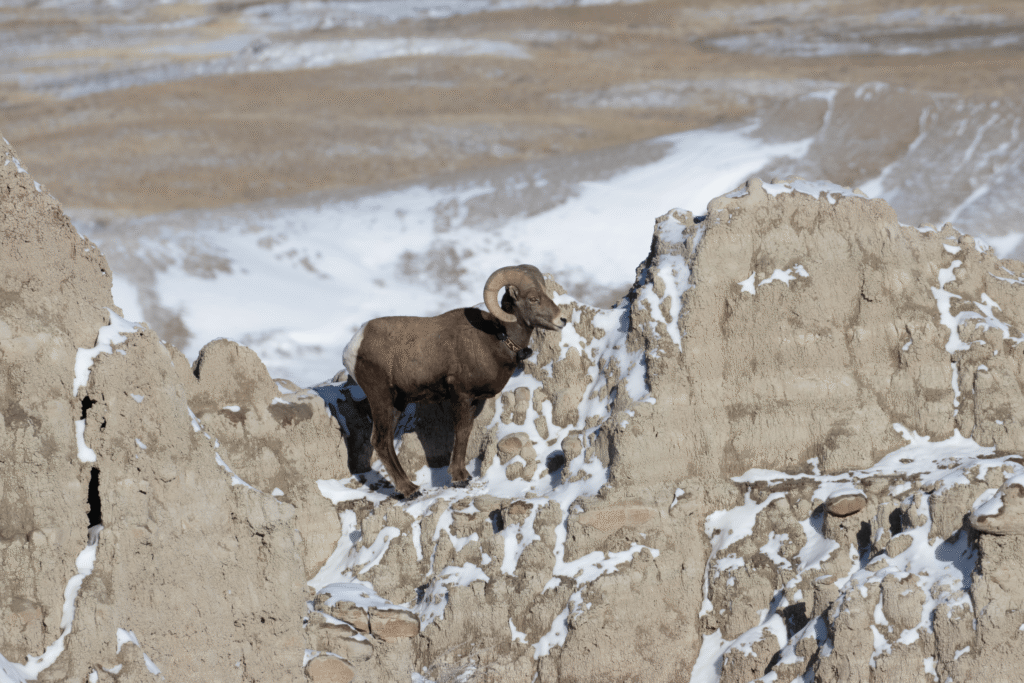
Visitors who explore the Badlands often hope to see big horn sheep perched along cliff edges. Their curved horns and steady steps create a sense of calm strength. Guests sometimes notice them before realizing how high they stand above the valley floor.

Grace and Balance in the Badlands Cliffs

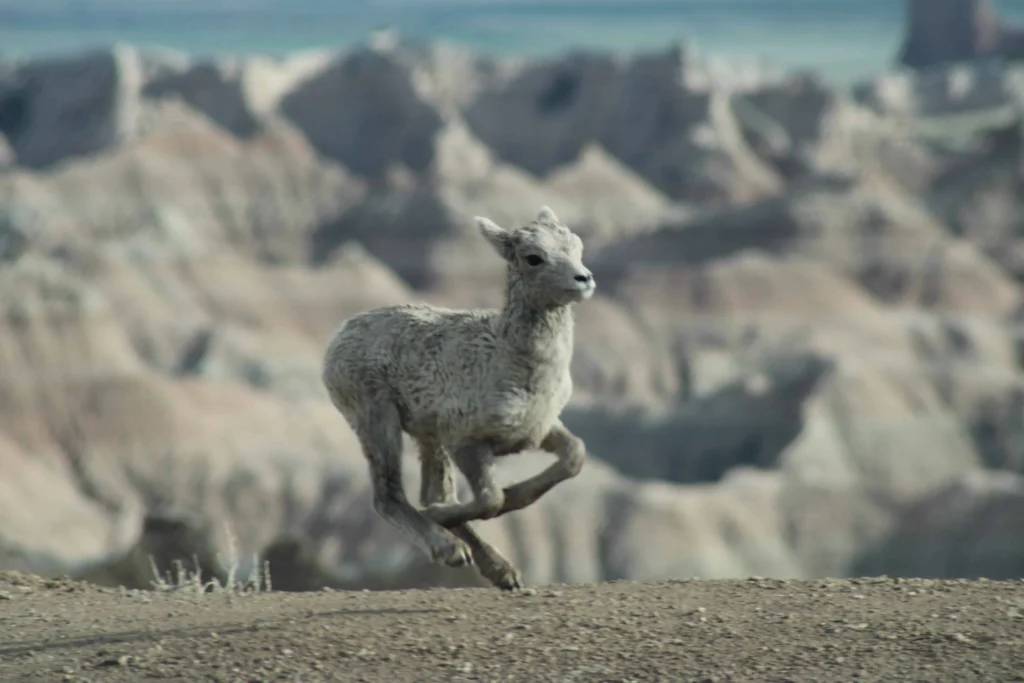
These sheep know the land intimately. Lambs learn to climb soon after birth, and adults move along ridges with comfort that seems almost supernatural. Understanding their adaptations brings more appreciation to each sighting.

bighorn sheep in the badlands during golden hour

Prairie Dogs and Their Towns

Prairie dogs create entire communities that stretch across the land. Their calls, quick movements, and upright posture often make visitors smile. But these animals offer far more than entertainment.

Why These Tiny Animals Matter

Prairie dogs help create habitat for birds, insects, and mammals. Their burrows provide shelter for other species, and their grazing patterns help native grasses grow strong. Understanding this allows guests to see the prairie with new appreciation. Also, everyone loves prairie dogs.

Pull up to a prairie dog town, lower your windows, and shut off the car. Listen to the sounds of Mother Nature and the way prarie dogs communicate. 

prairie dogs along wildlife loop road

Coyotes, Eagles, and the Hidden Watchers

Some wildlife in the Black Hills and Badlands moves with a quiet confidence that invites visitors to slow down and look more closely. Coyotes may cross open hillsides at dawn or dusk, and eagles often glide above the land on steady wings. These animals reveal themselves through movement, calls, and presence, creating moments that feel both calm and full of meaning.

Their role in the landscape encourages visitors to notice small details that might otherwise pass by. A distant howl, a shadow drifting across a ridge, or a sudden shift in bird calls can signal that a predator is nearby. Learning to read these signs adds a deeper layer to each experience.

The Predators That Shape the Land

Predators such as coyotes, eagles, and hawks support the balance of the region. Coyotes guide populations of small mammals, and their influence helps maintain healthy grasslands. Eagles and hawks shape bird and rodent communities from above, adjusting their patterns as seasons shift.

These animals help keep the ecosystem steady, and understanding their role makes each sighting more meaningful. Even when guests see only a hint of movement or hear a call on the wind, they’re experiencing an important part of how life in the Black Hills and Badlands stays in harmony.

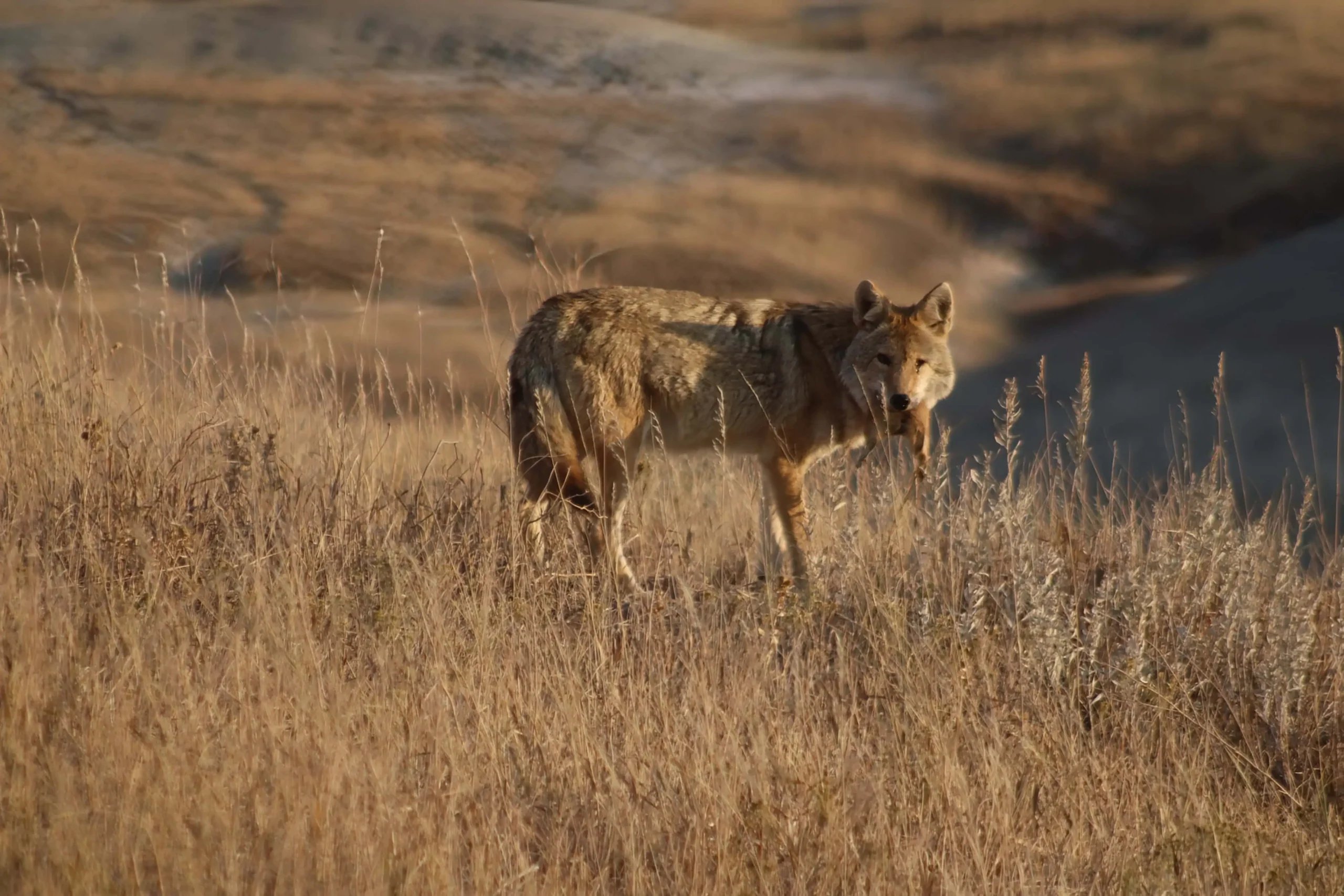
wildlife coyote badlands wildlife expedition
coyote wildlife in the grassland

Birdlife of the Hills and Plains

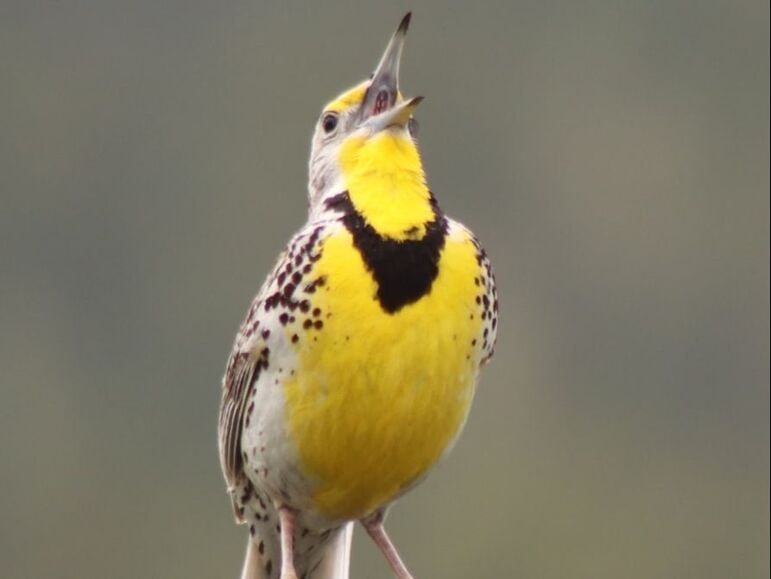
The Black Hills and Badlands hold a remarkable variety of birdlife that brings color, music, and movement to the land. Golden eagles rise above the Badlands with steady wings, often catching warm currents that carry them high over ridges and open grasslands. Visitors who look up may catch a glimpse of this quiet power as the eagle scans the land below. Meadowlarks fill the prairies with bright morning calls that seem to open the day with a sense of hope. Their yellow chests glow in soft light, creating one of the most beloved sights across South Dakota’s open spaces. Hawks circle above ridgelines and fields, watching for small movements that might signal a meal. Even wild turkeys bring their own charm, moving through forests with a calm and steady grace that surprises many first-time visitors.

A Moving Chorus Above the Land

Birds help tell the story of the land. Their calls shift with the season, the weather, and the time of day. A single note can signal a change in the sky or a shift in the breeze. Learning about birdlife offers guests a way to read the landscape with more awareness. Even a quiet moment can feel full of life once visitors begin noticing the patterns of birds around them. These guides help guests understand what they might hear or see, turning simple observations into meaningful experiences across the hills and plains.

hawk in flight
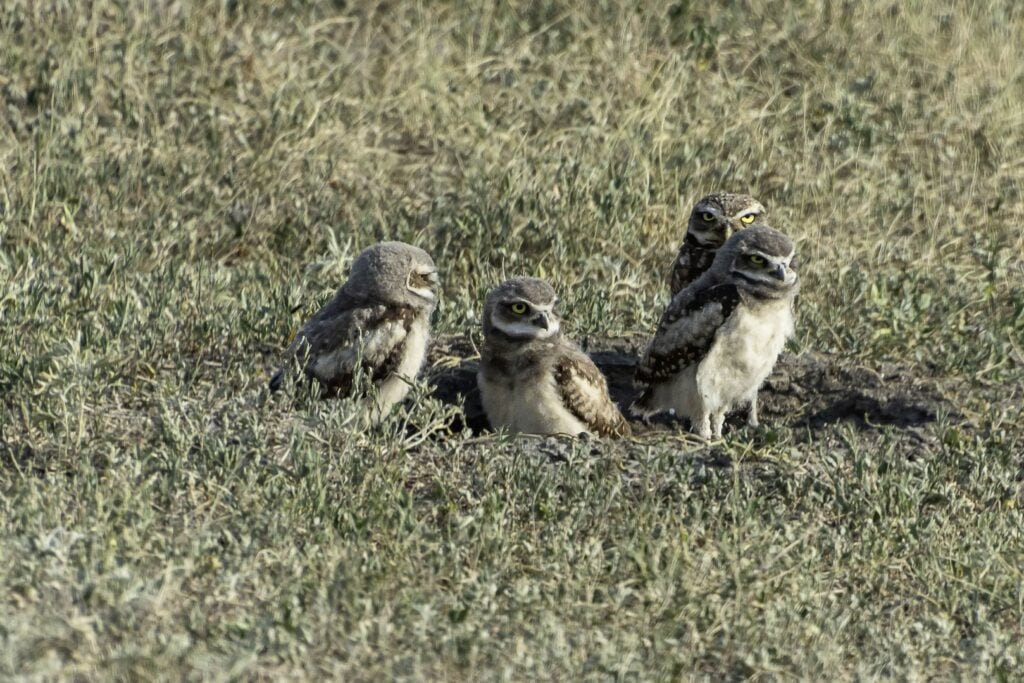
badlands wildlife expedition burrowing owl
black hills wildlife
skies of the black hills western meadowlark singiing
red winged blackbird
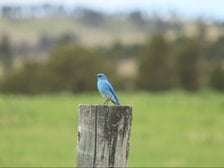
mountain bluebird. wildlife dangers in south dakota

Bison, Keepers of the Prairie

Bison move across the Black Hills and Badlands with a calm strength that makes visitors pause and take notice. Their presence carries a sense of history, as if the land remembers every generation that has passed through these open spaces. Guests often see them grazing in wide fields or walking with steady purpose along hills and prairies.

Each sighting offers a reminder that these animals shaped the region long before modern travelers arrived. Their grazing patterns help native grasses thrive, and their movement across the soil supports the health of the prairie in ways that stretch far beyond what most people imagine.

ultimate black hills vacation package bison overlooking badlands

Behaviors Visitors Often See

Visitors may notice bison resting in small groups, shaking dust from their coats, or guiding young calves through daily routines. These moments reveal a gentle rhythm that defines life on the prairie.

Viewing Bison with Respect

A respectful distance keeps both visitors and bison safe. When guests slow down, remain patient, and watch quietly, the experience becomes richer and more meaningful.

wildlife american bison buffalo

How Wildlife Interacts with Seasons

Wildlife in the Black Hills and Badlands moves through the year in patterns shaped by temperature, daylight, food availability, and the quiet signals carried through the land. Each season holds its own rhythm, and visitors who understand these changes often feel a deeper connection to the places they explore.

The Visitor Learning Center helps guests see how animals respond to the turning of the year, so every sighting carries more meaning. These seasonal shifts reveal the strength and adaptability of wildlife and show how the land supports life through cycles of calm, growth, and rest.

Spring

Spring brings a sense of renewal that stretches from the prairies to the forests. Fresh grasses rise through the soil, and the air fills with the sounds of returning birds.

Guests may notice young bison staying close to their mothers or prairie dogs emerging from burrows to greet the warmer days. The landscape takes on a gentle softness, and wildlife responds with more movement and curiosity. This is a season filled with energy and opportunity, and it offers some of the most joyful sightings of the year.

Summer

Summer draws life into full expression. Long days give animals time to graze, raise young, and move across wide areas in search of food and water.

Visitors often see pronghorn traveling in small groups or birds circling above warm air rising from the land. Deer rest in the shade of ponderosa pines, and many species become more active at dawn and dusk when the heat softens. Summer highlights the steady rhythms of life and invites guests to slow down and watch the land breathe.

Fall

Fall brings deeper colors and sharper contrasts to the hills and Badlands. Wildlife responds to cooler temperatures with more movement and preparation for the coming months. Visitors may see bison grazing with focus or birds gathering in flocks as they begin to travel south.

The air feels crisp, and the landscape shifts from the bright greens of summer to the warm golds and reds of autumn. This season carries a sense of transition, and every moment reflects the land’s quiet preparation.

Winter

Winter brings a quiet, steady stillness to the region. Snow settles across the hills and prairies, revealing tracks from animals that passed earlier in the day. Wildlife conserves energy, and sightings become more intimate and meaningful. Guests may see a bison with a frost-covered coat or a coyote crossing open land with deliberate steps.

The landscape feels peaceful, and the stillness invites visitors to appreciate the strength of animals that endure the cold with calm focus.

rushmore, bison, wildlife, daniel and guest
custer state park baby pronghorn sheep
ultimate black hills vacation package bison overlooking badlands
fluffy cows of south dakota bison in a golden field
bighorn sheep at the badlands in winter

Preparation

Thoughtful preparation makes a huge difference in the way a day unfolds. Visitors often feel more relaxed when they know they have what they need and understand the rhythm of the region. A bit of planning can turn a simple outing into a smooth and comfortable experience that leaves plenty of room for curiosity and enjoyment.

These guides help visitors understand what to bring, how to plan, and the little habits that make exploring South Dakota easier. Each resource is designed to offer clear, friendly support so guests can focus on the moments that matter most and enjoy the land with confidence.

daniel and mom family run business at contact my xo adventures

About My XO Adventures

My XO Adventures was created with a belief that travel should invite curiosity, kindness, and connection. Guests often share that the moments they remember most are the ones that felt genuine and unhurried, with space to breathe and take in the land around them. That spirit guides everything we do as we welcome visitors into the Black Hills, Badlands, and surrounding areas.

We guide small groups with care, storytelling, and a deep respect for the land and the communities that hold it close. Each tour is shaped by a desire to share the region in a way that feels personal and meaningful. When guests understand the stories, landscapes, and wildlife of this place, the journey becomes richer, and the sense of connection grows naturally.

ashley feeding alpacas on a badlands tour - about my xo adventures

Wildlife FAQ

When is the best time to see wildlife in the Black Hills and Badlands?

Wildlife is most active during the early morning and late evening when the land is cooler and calmer. These hours bring gentle light, quiet air, and a natural rhythm that helps animals feel comfortable moving across the prairie or stepping out from the trees. Guests often see bison grazing in soft light, pronghorn traveling in small groups, and birds filling the sky with their morning calls. The Badlands can be especially lively at sunrise, when golden eagles glide overhead and prairie dogs begin their day with bright chirps. For the highest chance of meaningful sightings, start your explorations with the sun or return to the land just before it sets.

How close can I safely be to bison and other large animals?

A respectful distance keeps both visitors and animals safe. Bison may appear calm, yet they can react quickly and need space to move freely. Guests should enjoy them from inside a vehicle or from a distance that lets the herd remain relaxed. The same care applies to big horn sheep, pronghorn, elk, and deer. When animals have room to behave naturally, you’ll see more of their true personalities and experience encounters that feel peaceful, steady, and memorable. For detailed guidance, explore our Wildlife Safety page.

Why are prairie dogs so important to the ecosystem?

Prairie dogs support life across the region in surprising and powerful ways. Their burrows help aerate the soil, encourage new plant growth, and provide shelter for other species such as burrowing owls. Their grazing patterns shape the prairie in ways that keep grasses healthy and diverse. Entire wildlife communities benefit from the presence of prairie dog towns. Many visitors come expecting to simply enjoy their charm, then leave with a new appreciation for how vital these small animals are to the land. You can learn more in the Prairie Dog Towns section of our Visitor Learning Center.

What should I do if I encounter a coyote on a trail or road?

Coyotes move with quiet confidence and generally avoid interaction with people. If you see one, pause and give it time to choose its direction. A calm presence helps the animal feel comfortable, and in many cases, the coyote will simply continue on its way. Guests often find these moments meaningful, as they reveal how wildlife moves through the land with awareness and purpose. Keep food secured, remain steady, and enjoy the chance to witness one of the region’s most graceful predators.

Where can I reliably see wildlife during a visit?

Visitors often find wildlife in places where the land feels open and expansive. In the Black Hills, Custer State Park offers excellent opportunities to see bison, pronghorn, deer, and burros along scenic routes. The Needles area and Iron Mountain Road also provide beautiful wildlife moments. In the Badlands, the Sage Creek Wilderness and Roberts Prairie Dog Town are known for steady activity, from bison herds to prairie dog families. Patience goes a long way here. When guests slow down, the land reveals more than expected. Visit our Where to See Wildlife guide for detailed suggestions.

How do the seasons influence wildlife behavior?

The rhythm of wildlife shifts with the seasons. Spring brings newborn animals and rising energy across the land. Summer creates long days filled with grazing, travel, and nesting activity. Fall cools the air, deepens the colors, and invites wildlife to prepare for the colder months. Winter slows everything down into a quiet, steady rhythm that reveals strength in stillness. Learning these patterns helps visitors understand what they might see during their stay and how to plan for the most rewarding experiences. You can explore these details in our Seasonal Wildlife guide.


What gear should I bring for wildlife viewing?

Comfort and awareness make wildlife encounters more enjoyable. Bring water, a light jacket, sturdy shoes, and a sense of patience. Binoculars help guests enjoy detail from a safe distance, and a simple camera can capture heartfelt moments. Soft colors in clothing help you blend naturally with the landscape, and early mornings may feel cooler than expected. For a complete list, visit our Preparation and Packing guide.

Are wildlife encounters safe for children?

Yes, with calm guidance and shared awareness. Children often feel wonder when seeing bison, prairie dogs, or birds in open spaces. Parents can help by teaching them to move slowly, stay close, and enjoy wildlife from a comfortable distance. These shared moments often become treasured memories, filled with curiosity and a sense of connection to the land. Explore our Family Travel Tips for more ideas.

Wildlife Terms You May Hear

Grazing Behavior

The way animals such as bison or pronghorn feed on grasses across open land. Their movement shapes the health of the prairie and encourages new plant growth.

Rut Season

The time of year when animals like elk or deer compete for mates. Guests may notice stronger calls, displays of strength, and increased movement during this season.

Raptor

A bird of prey such as an eagle, hawk, or falcon. These birds hunt using strong talons, sharp vision, and a graceful command of air currents.

Burrow System

A series of underground tunnels created by animals such as prairie dogs. These systems provide shelter, temperature control, and protection for entire families.

Migration Pattern

The seasonal travel paths of birds and other animals that move to areas with better food, weather, or nesting conditions.

Predator-Prey Balance

The natural relationship that helps keep wildlife populations steady. Predators such as coyotes or hawks help maintain a healthy landscape by guiding the movement and numbers of other species.

hawk in flight
roberts prairie dog town

Quick Facts About Local Wildlife

• Bison can run up to thirty-five miles per hour and pivot quickly despite their size.
• Prairie dogs have different vocal calls for different threats, including specific sounds for coyotes and birds of prey.
• Pronghorn can maintain high speeds longer than any other land animal in North America.
• Golden eagles often glide for long periods without flapping their wings, using rising warm air to travel efficiently.
• Big horn sheep can climb steep cliff faces by using hooves with natural grip and incredible balance.
• Coyotes communicate through howls, yips, and barks that travel far across the land, especially at dawn and dusk.

Guide’s Notes From the Field

A Quiet Morning With Bison

There are days when the sun rises softly across the prairie, and the first sound you hear is a bison exhaling into the still air. The herd begins to move with slow, steady steps, and guests often fall silent as they watch the land wake up around them. Moments like these remind us that wildlife is not just something we see. It is something we share space with.

A Prairie Dog’s Warning Call

On calm afternoons in the Badlands, prairie dogs can fill the air with chatter that seems lighthearted at first. Then a single call changes tone, and the entire town reacts. Guests often stand amazed as dozens of animals pop up to check the horizon. A small voice can carry a big message here.

A Shadow Over the Canyon

Sometimes the only sign of an eagle is a shadow drifting over a canyon wall. Guests often look up just in time to see wide wings catching warm currents of air. The moment lasts a second, yet it stays with you because it feels like the land sharing one of its secrets.

Trusted Wildlife Resources for Your Visit

If you want to learn even more about the animals that call the Black Hills and Badlands home, these trusted resources offer accurate, science-based, and up-to-date information. They complement what you’ll find in the Visitor Learning Center and help you understand migration patterns, behavior, habitat conservation, and current conditions across the region.

These guides, agencies, and research sources are used every day by biologists, rangers, and conservation teams who work directly with wildlife. Exploring them before your visit gives you a deeper understanding of the land, the animals, and the seasonal rhythms that shape the region.

Explore More Through the Visitor Learning Center

If you’d like to understand the Black Hills and Badlands on a deeper level, the Visitor Learning Center offers companion guides that build on what you’ve learned here. Each topic adds a new layer of insight, helping you see the region with more awareness and appreciation.

You can explore Geology, Ecology, Indigenous History and Cultural Perspectives, Sacred Sites, Unique Landforms, Weather, Travel Tips, and Safety and Preparation to round out your understanding of the landscapes where wildlife lives. These guides work together to create a clear, connected picture of the region and support a more meaningful visit.

About the Author

This page was written by Daniel, owner and guide at My XO Adventures. Daniel has spent years exploring the Black Hills, Badlands, and surrounding country while sharing stories, context, and quiet moments with guests from around the world. His approach to guiding comes from a belief that travel should invite curiosity, kindness, and connection to both land and people.

Daniel continues to deepen his understanding of the region by listening, learning, and spending time in the places that hold meaning for many Indigenous Nations. You can learn more about his background, philosophy, and approach to guiding on the Author Page.

daniel milks, owner of my xo adventures