
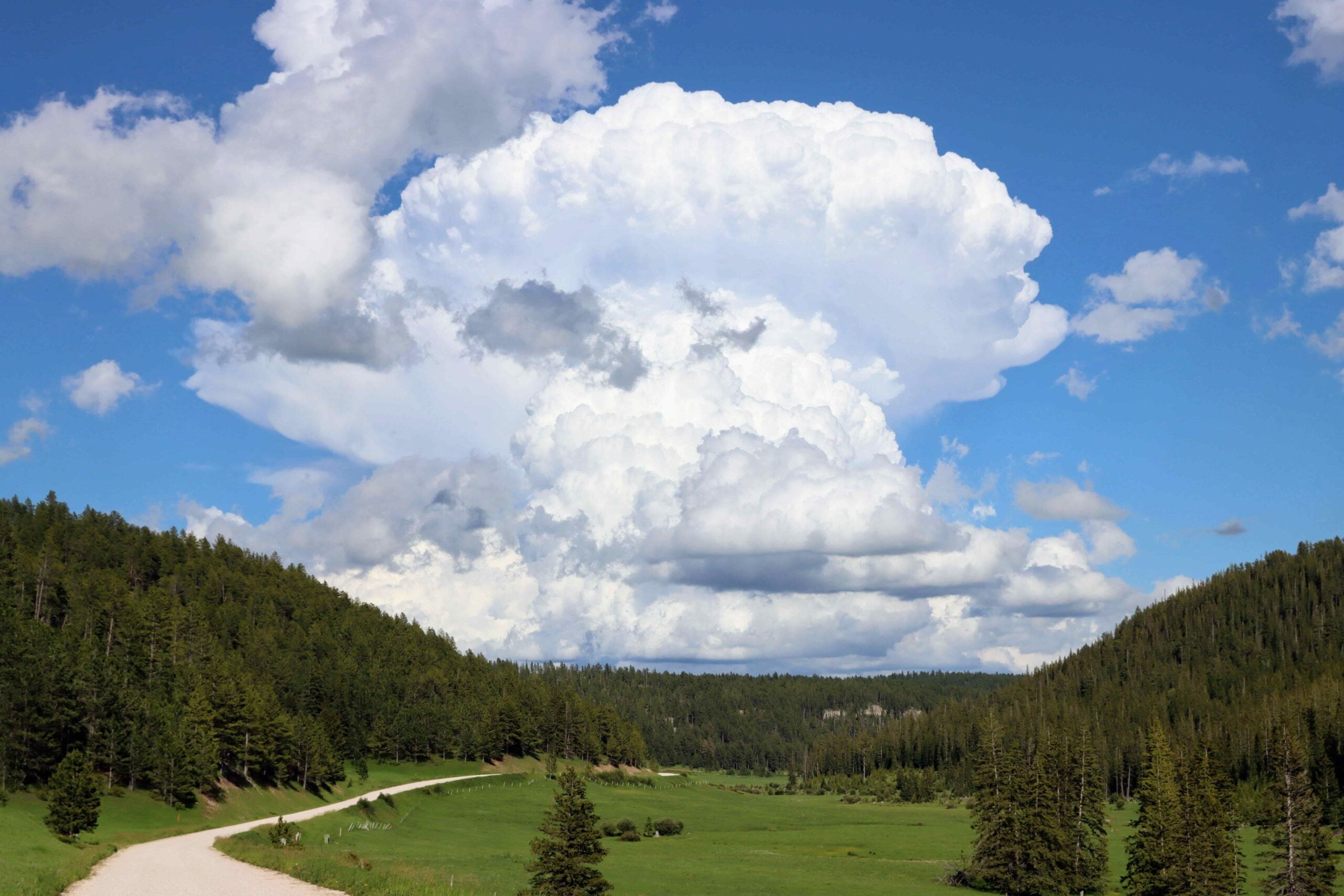
Your Seasonal Guide to Climate, Temperatures, and Travel Conditions in Western South Dakota
Weather shapes every experience in the Black Hills and Badlands. It influences how the land feels, how wildlife moves, how comfortable a day becomes, and how prepared visitors need to be. This region is known for quick shifts, wide temperature swings, and strong contrasts between forested hills and open prairie. Understanding those patterns helps visitors feel steady and confident before they arrive.
This page is part of the Visitor Learning Center created by My XO Adventures. It’s designed to help visitors understand how weather behaves here so they can plan with confidence, adjust naturally throughout the day, and focus on the experience rather than reacting to surprises.
You’ll learn how weather patterns shift between the Black Hills and the Badlands, how each season behaves, and how sun, wind, elevation, and exposure influence daily comfort. This guide focuses on understanding patterns rather than predicting outcomes, helping you make better decisions before and during your visit.
Continue through the guide to better understand the rhythm of weather across this landscape.

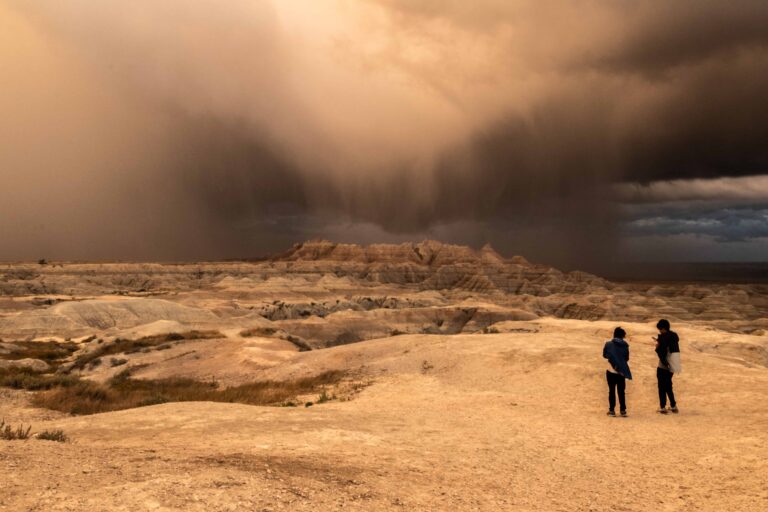
Weather in this region is shaped more by terrain and exposure than by the calendar. The Black Hills rise abruptly from the prairie, creating cooler temperatures, shade, and shelter from wind. The Badlands remain open and exposed, allowing sun and wind to influence conditions more directly.
Because of this contrast, two places less than an hour apart can feel entirely different on the same day. A cool, calm morning in the hills may turn into a warm, breezy afternoon in the Badlands. Understanding this relationship between landscape and weather explains why forecasts often feel incomplete and why flexibility matters.
When visitors understand why conditions change, they can plan clothing, pacing, and timing without frustration. This perspective pairs naturally with the Travel Tips section of the Visitor Learning Center, where time and distance are explored more deeply.

Rather than fixed expectations, weather here follows seasonal tendencies shaped by sun angle, airflow, and elevation. Each season has a general character, but daily conditions still respond to terrain and exposure.
Spring brings wind and transition. Summer emphasizes sun and contrast. Fall often offers stability and clarity. Winter reshapes access and pacing entirely. Learning these tendencies provides context that supports comfort, safety, and enjoyment throughout the year.

Spring is defined by change. Cool mornings often give way to warmer afternoons, and wind is common as air masses shift. Snow may linger in shaded areas of the Black Hills while open prairie warms quickly.
Rather than relying on a single forecast, spring visitors benefit from paying attention to wind direction, cloud cover, and sun exposure. Layered clothing allows quick adjustment, and flexible timing helps prevent rushed decisions. Spring also marks increased wildlife movement, which connects naturally with the Wildlife guides in the Visitor Learning Center.

Summer brings long daylight and strong sun, especially in the Badlands where shade is limited. In contrast, the Black Hills often feel cooler due to elevation and forest cover. Moving between these areas during the same day can feel like changing climates.
Sun exposure affects fatigue and hydration more than temperature alone. Planning shaded pauses, early starts, or later afternoon movement helps maintain comfort without shortening the day. These patterns align closely with guidance found in Travel Tips, where pacing and comfort are explored further.

Fall often offers the most balanced weather of the year. Temperatures cool, skies tend to clear, and wind becomes less persistent than in spring or early summer. Days usually feel steady and comfortable, while mornings and evenings can be crisp, especially in the higher elevations of the Black Hills. Because mornings and evenings turn crisp while afternoons warm, layering lets you adjust without interrupting your timing.
In the fall, lower sun angles improve visibility and contrast across ridges and canyons. This season tends to offer stable air and long evenings, which means you can plan for extended observation or photography sessions without overheating or abrupt weather swings.
Lower sun angles soften the landscape and improve visibility across long distances, which many visitors find enhances both sightseeing and photography. Cooler temperatures also allow for longer, unhurried days outdoors without the fatigue that can come with summer heat. These conditions connect naturally with the Photography guides in the Visitor Learning Center, where light and timing are explored in more depth.
Wildlife behavior shifts as well. Animals adjust movement patterns in response to cooler air and shorter days, often becoming more active during daylight hours. Visitors who understand these seasonal changes often have more meaningful observations, especially when paired with the Black Hills Wildlife learning resources.
Fall weather is generally predictable, but quick temperature drops are still possible. Being prepared for cooler conditions helps the day remain comfortable from start to finish.

Winter brings the most dramatic changes to the region, shaping access, pacing, and comfort in very real ways. Snowfall varies widely depending on elevation and exposure. The Black Hills often receive more consistent snow, while the Badlands may see lighter accumulation paired with strong wind and open, icy ground. Temperatures can shift quickly, and cold air tends to settle into valleys and shaded areas.
Winter conditions require planning for traction, wind chill, and shifting road surfaces. Short daylight hours change how much ground you can cover comfortably. Prioritizing shorter loops, early departures, or sunset viewpoints near access points improves safety and comfort. Road conditions may change overnight, and daylight hours are shorter.
Visitors who plan fewer stops, allow extra time, and prioritize safety tend to have the most rewarding experiences. Understanding how weather influences access aligns with the Travel Tips and future Safety and Preparation guides within the Visitor Learning Center and is closely tied to the Ecology section, which explores the role of weather in plant and soil interactions.
Winter also brings a quieter landscape. Wildlife movement slows, and the land takes on a stillness that many visitors find deeply peaceful. Clear days offer wide visibility and sharp contrast, while stormy days call for caution and patience rather than rigid plans.
Layered clothing, traction-aware footwear, and a slower pace make winter exploration far more comfortable. This season rewards those who approach it with respect and realistic expectations rather than trying to fit a summer pace into colder conditions.

Black Hills and Badlands weather isn’t something to plan around once. It’s something to stay aware of throughout the day. Sun, wind, and temperature shifts often influence how long stops feel comfortable, how much energy a day requires, and how quickly conditions change between locations. Visitors who remain flexible tend to enjoy smoother, more relaxed experiences.
Pacing is one of the most important adjustments weather asks for. Strong sun or wind can make exposed areas feel intense, while cooler temperatures in shaded or elevated locations invite slower exploration. Building in time for rest, hydration, and quiet observation helps days unfold naturally rather than feeling rushed. This approach aligns closely with the Travel Tips section of the Visitor Learning Center, where timing and comfort are explored in more detail.
Weather also affects visibility and mood. Clear skies open wide views across the Badlands, while shifting clouds create changing light and texture. Learning to notice these patterns helps visitors choose when to pause, move on, or simply let the land guide the pace of the day.
Weather quietly shapes when and where wildlife is most active. Temperature, wind, and light all influence animal behavior, often more than visitors realize. On cooler days or during calm mornings and evenings, animals tend to move more freely. Heat, strong wind, or sudden weather shifts often push wildlife into shelter or shaded areas.
In the Badlands, open terrain means animals respond quickly to sun and wind. Midday heat often slows movement, while early and late hours bring more activity. In the Black Hills, forest cover and elevation create different patterns, allowing wildlife to remain active longer during warmer parts of the day. Noticing how temperature and wind guide animal activity lets you plan sighting opportunities rather than chase them.
Weather awareness pairs naturally with the Wildlife section of the Visitor Learning Center. Knowing how conditions affect movement encourages patience and respectful distance rather than chasing sightings. This approach often leads to more meaningful encounters and a deeper appreciation for how animals adapt to the land.
Recognizing these patterns also supports safety and comfort. Giving wildlife space, staying alert during changing conditions, and adjusting timing helps protect both visitors and animals.

Wind and sun shape how Black Hills and Badlands weather feels, often more than temperature alone. Open terrain in the Badlands allows wind to move freely, which can cool the body quickly or intensify heat depending on the season. In the Black Hills, forest cover and terrain offer more shelter, but exposed ridgelines can still feel sharp and brisk.
Sun exposure is another factor many visitors underestimate. Clear skies and reflective rock surfaces can make sunlight feel stronger, even on cooler days. This is especially noticeable in the Badlands, where shade is limited. Taking breaks, seeking sheltered areas, and pacing stops helps prevent fatigue and discomfort.
Understanding exposure helps visitors make small but meaningful adjustments. Choosing layered clothing, planning shaded stops, and staying aware of wind direction can change how a day feels. This knowledge connects naturally with the Travel Tips guidance on pacing and comfort and supports thoughtful preparation without overthinking conditions. Our Parks, Monuments, and Protected Lands of the Black Hills and Badlands is a very useful guide when planning.
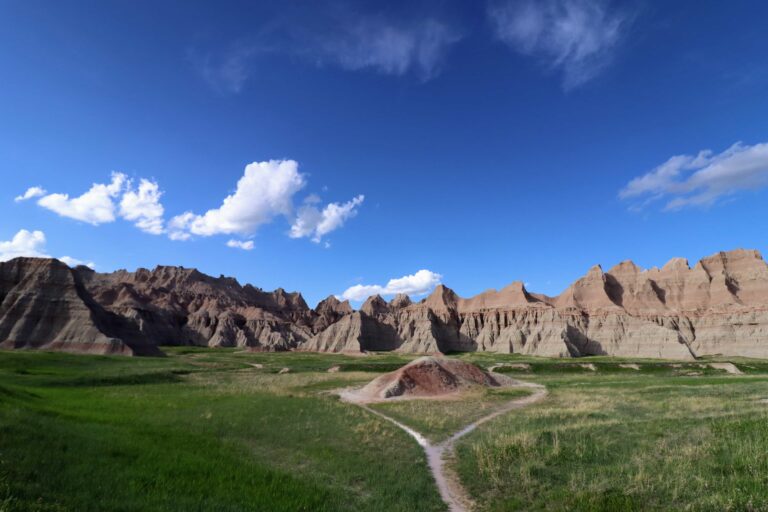
Weather awareness supports safety long before conditions become challenging. In the Black Hills and Badlands, changes in wind, temperature, or visibility can influence footing, hydration needs, and overall comfort. Recognizing these signals early allows visitors to adjust pacing, take breaks, or change plans without stress.
Preparation doesn’t mean anticipating every scenario. It means understanding how weather interacts with terrain and time of day. Strong sun may increase water needs, wind can cool the body faster than expected, and sudden temperature drops can make layered clothing essential. These small adjustments help prevent discomfort and keep experiences enjoyable.
This section connects naturally with the upcoming Safety and Preparation guides in the Visitor Learning Center. Weather provides the context, while those pages will focus on practical responses. Together, they help visitors move through the landscape with awareness rather than worry.

• Conditions can change quickly across short distances
• Sun and wind often matter more than temperature
• Layered clothing supports comfort in all seasons
• Early mornings and late afternoons are often most comfortable
• Flexibility improves enjoyment more than rigid schedules
Approaching weather with awareness rather than resistance allows experiences to unfold naturally.

Understanding weather in the Black Hills and Badlands becomes easier when paired with reliable, region-specific information. The resources below offer practical context, seasonal insight, and up-to-date conditions that complement what you’ve learned in this guide.
• National Weather Service – Rapid City Forecast Office
A dependable source for regional forecasts, watches, and advisories that reflect local terrain and weather patterns.
• South Dakota Game, Fish and Parks
Helpful for understanding seasonal conditions, park access, road updates, and how weather affects outdoor activity across the state.
• National Park Service – Badlands National Park
Provides park-specific weather considerations, safety notices, and seasonal access updates that can influence trip planning.
• Black Hills National Forest
Provides information on weather at higher elevations, road conditions, and seasonal closures in forested areas of the Black Hills.
These resources work best when used alongside the broader context found in the Travel Tips, Wildlife, and Ecology sections of the Visitor Learning Center. Together, they help visitors plan with clarity rather than guesswork.
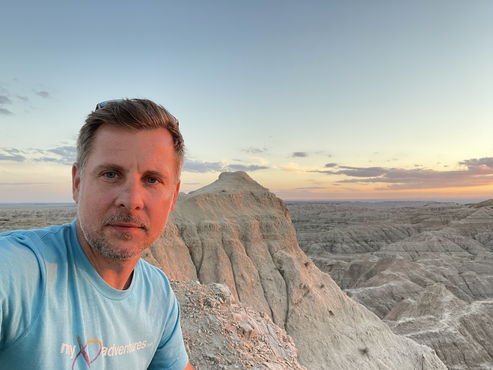
This guide was written by Daniel Milks, the founder and lead guide of My XO Adventures, a locally owned experience-based guiding company rooted in the Black Hills and Badlands. Years of exploring this landscape in all seasons have shaped a deep respect for how weather influences comfort, safety, wildlife movement, and the rhythm of each day.
The Visitor Learning Center was created to share that understanding before guests arrive. These pages are not meant to replace experience, but to support it by offering context, clarity, and calm preparation. By learning how the land works ahead of time, visitors can arrive more present, confident, and connected to the places they explore.
Every guide here reflects time spent outdoors, listening to the land, and observing how small details shape meaningful moments. Weather is one of those details, and learning its patterns helps each visit feel more grounded and rewarding.
Weather is just one part of understanding how the Black Hills and Badlands work. The Visitor Learning Center was created to help visitors learn before they arrive, offering clear, grounded insight into the land, wildlife, and experiences that shape each day here.
You may want to continue exploring topics like Travel Tips for pacing and comfort, Wildlife for understanding animal movement, or Ecology to learn how grasslands, forests, and weather interact. Each guide is designed to stand on its own while also fitting into a larger picture of how this region functions.
Together, these resources help visitors move beyond surface-level sightseeing and into a deeper, more informed relationship with the landscape.
Understanding weather is one of the simplest ways to make a visit feel smoother and more rewarding. When you know how conditions shift across the Black Hills and Badlands, you’re free to focus on the experience rather than reacting to surprises.
If you’d like to explore the region with a guide who approaches the land with care, curiosity, and respect, My XO Adventures offers private small group experiences designed around comfort, storytelling, and connection. Each day is shaped by the land, the weather, and the people present.
You’re also welcome to continue learning through the Visitor Learning Center, where each guide builds on the next, helping you arrive informed and at ease.
Weather shapes everything in the Black Hills and Badlands — light, wildlife movement, road conditions, and even how the landscape feels. These questions help you understand seasonal patterns and plan your visit with confidence instead of surprise.
The Black Hills are generally cooler and slightly wetter due to elevation and forest cover. The Badlands are more exposed, windier, and often hotter in summer with sharper temperature swings.
Yes. Morning can feel cool, midday can heat up quickly, and evenings often drop in temperature again. Layering clothing is the simplest way to stay comfortable.
It can be. Open terrain and minimal shade mean the sun feels intense. Planning early starts or late-day visits helps manage heat.
Wind is common year-round, especially in the Badlands. Gusts can appear suddenly, so secure hats and gear and expect exposed overlooks to feel breezy.
Absolutely. Animals are more active during cooler parts of the day and may seek shelter during intense heat or strong wind.
Spring can be unpredictable, mixing sunny days with sudden storms. It’s also a season of renewal, with greener hills and active wildlife.
Fall is generally cooler and calmer, with comfortable daytime temperatures and less intense sun. It’s often considered one of the most pleasant seasons to visit.
Not necessarily. Conditions can shift quickly, and dramatic skies often create some of the most memorable views. Flexibility is more valuable than perfect predictions.