
Clear, Experience Based Black Hills and Badlands Travel Planning Guidance
The Black Hills and Badlands give you wide open space, fast changing weather, winding scenic roads, and an incredible range of experiences packed into a relatively small corner of the country. If it’s your first visit, it’s easy to misjudge time and distance, pack for the wrong conditions, or plan days that feel rushed instead of relaxed. This guide clears up the practical stuff from day one, and if you want a simple starting point for building your itinerary, browse this Black Hills bucket list so your days feel intentional, comfortable, and well paced.
At My XO Adventures, we spend our days guiding guests through these landscapes and answering the same practical questions again and again. This page brings those real-world answers together in one place, helping you arrive prepared and confident, with fewer surprises and more room to enjoy the land. These Black Hills and Badlands travel tips are designed to help visitors feel prepared, comfortable, and confident before they arrive.
On this page, you’ll learn how to plan your time in the Black Hills and Badlands based on the number of days you have, what to wear as conditions change between forests and open prairie, and how to move through the region without feeling rushed or overwhelmed. You’ll also find guidance on activity levels, scenic drives, wildlife etiquette, seasonal timing, and the small details that make a big difference once you’re on the road.
The goal is simple. By the time you finish this page, you’ll have a clear sense of what your days can look like and how to shape a trip that fits your pace, interests, and comfort level.
If you’d like help turning these ideas into a smooth, meaningful experience, My XO Adventures offers small-group and private tours designed around curiosity, comfort, and connection to place. You’re welcome to explore on your own, or join us for a day of guided travel shaped to your needs.
One of the most common questions visitors ask is how much time they should set aside for the Black Hills and Badlands. The short answer is that the experience changes dramatically depending on the number of days you have. These landscapes reward unhurried travel, and even a small increase in time can shift a trip from feeling rushed to feeling deeply satisfying. Many of the most useful travel tips for the Black Hills and Badlands come down to understanding how time and distance really work here.
If you have one full day, it’s best to focus on a single area rather than trying to see everything. Many guests choose either the Badlands or a concentrated loop through the southern Black Hills. This approach allows time to stop, walk a short trail, observe wildlife, and enjoy the scenery without spending the entire day driving.
With two to three days, you can begin to balance variety and depth. This is often the sweet spot for visitors who want to experience both the Black Hills and the Badlands while still having space to slow down. Scenic drives, wildlife viewing, short hikes, and cultural or geological stops start to come together in a way that feels cohesive rather than crowded.
A stay of four to five days or more opens the door to a richer understanding of the region. With this amount of time, days can be shaped around weather, wildlife movement, and personal interests instead of strict schedules. Guests often tell us this is when the land begins to feel familiar rather than overwhelming, and when unexpected moments become part of the story they take home.

A day in the Black Hills and Badlands unfolds best when it has room to breathe. Distances are longer than they appear, light changes quickly, and even short stops can invite you to slow down. Planning with flexibility allows the landscape to guide the pace rather than forcing everything into a rigid schedule.
Early mornings and late afternoons often feel quieter and more spacious. Wildlife is more active, light softens the land, and temperatures tend to be more comfortable. Midday can be a good time for scenic drives, visitor centers, or relaxed stops that offer shade and rest. Understanding this natural rhythm helps shape days that feel balanced rather than rushed.
Weather also plays a role in how a day takes shape. Sudden storms, strong winds, or shifting clouds can change visibility and comfort. Allowing space for these changes makes the experience smoother and often more memorable. Some of the most meaningful moments come when plans adjust slightly and attention shifts to what the land is offering in that moment.
Thoughtful pacing leaves room for observation. It allows time to notice how wildlife moves across open prairie, how forested hills change with elevation, and how quiet moments settle in between destinations. When a day is planned with awareness rather than urgency, it becomes easier to feel connected rather than hurried.
The Black Hills and Badlands sit close together on a map, but they feel very different once you’re here. Forested hills rise from the surrounding prairie, while the Badlands open into wide, exposed terrain shaped by wind, water, and time. Understanding how these landscapes relate to one another helps visitors plan days that feel cohesive rather than fragmented, especially when paired with insights from the Black Hills and Badlands Geology guide.
The Black Hills form a compact but layered region. Pine forests, granite spires, rolling meadows, and small mountain towns are closely connected by scenic roads. Elevation and tree cover influence temperature, light, and wildlife movement, which visitors can explore further in the Black Hills Wildlife and Black Hills Ecology sections of the Visitor Learning Center.
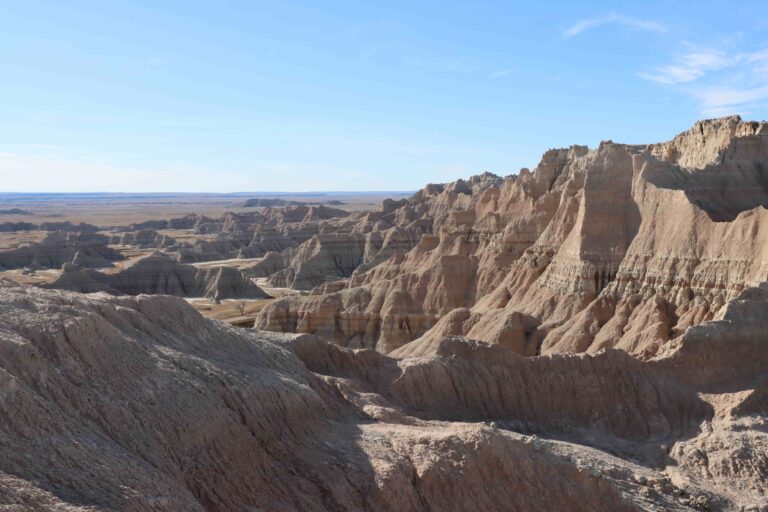
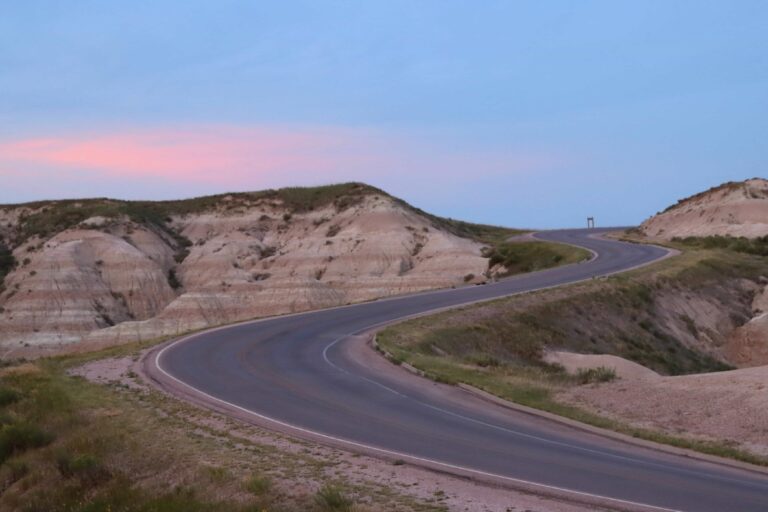
The Badlands feel more expansive and exposed. Distances between stops can feel longer, and the open terrain creates a strong sense of scale. Roads follow the contours of the land, and viewpoints often invite visitors to pause and observe patterns shaped by erosion and climate. This experience becomes richer when understood alongside the Badlands Ecology and Unique Landforms guides.
Between the Hills and the Badlands lies open prairie, where transitions between ecosystems become visible. These spaces support grassland species, prairie dog towns, and wide-ranging wildlife. They are often overlooked, yet they help connect everything visitors see, from forested slopes to layered formations. Learning more about these relationships through the Visitor Learning Center helps bring the full region into focus.

What you wear in the Black Hills and Badlands can shape how comfortable and relaxed your days feel. Conditions can shift quickly, sometimes within a single afternoon, as elevation, exposure, and weather interact across the region. Forested hills tend to feel cooler and more sheltered, while the open Badlands amplify sun, wind, and temperature changes. Understanding this contrast helps visitors arrive prepared rather than surprised.Clothing choices are one of the most practical travel tips for the Black Hills and Badlands, especially with changing elevation and exposure.
Layering is the most reliable approach in every season. Mornings often begin cool, especially in the Black Hills, while midday temperatures can rise quickly in open prairie and Badlands terrain. A light insulating layer paired with a wind-resistant outer layer allows you to adjust easily as conditions change. Visitors often find that this approach works better than packing heavy, single-purpose clothing, particularly when paired with guidance from the Weather and Preparation sections of the Visitor Learning Center.
Footwear deserves special attention. Even short walks can involve uneven ground, gravel, or packed dirt trails. Comfortable shoes with good traction support confidence and reduce fatigue, whether you’re stepping out at a scenic overlook or walking a short trail. This is especially helpful when exploring areas shaped by erosion and varied terrain, which are explored in more depth in the Unique Landforms and Black Hills and Badlands Geology guides.
Seasonal changes bring additional considerations. Spring and fall often include cooler mornings, variable winds, and sudden shifts in weather. Summer days can feel hot in the Badlands while remaining cooler in shaded forest areas. Winter introduces cold temperatures, wind, and icy conditions that require thoughtful layering and insulated footwear. Visitors who understand how clothing choices interact with ecology and elevation often find it easier to stay comfortable across changing conditions, a connection explored further in the Black Hills Ecology guide.
Sun protection is important year-round. Open landscapes, higher elevation, and reflective terrain can increase sun exposure even on cooler days. Hats, sunglasses, and sunscreen help prevent discomfort and allow visitors to focus on the experience rather than the elements. Small preparations like these often make the difference between a tiring day and one that feels balanced and enjoyable.

Packing thoughtfully helps the day unfold with fewer distractions. The Black Hills and Badlands offer wide-open spaces, limited services in some areas, and conditions that can change without much notice. Bringing a few essential items makes it easier to stay comfortable, present, and engaged with the landscape rather than focused on what’s missing. Packing thoughtfully is a core part of Black Hills and Badlands travel tips shared throughout this guide.
Water is one of the most important things to plan for. Dry air, sun exposure, and walking on uneven terrain can lead to dehydration more quickly than many visitors expect. Carrying more water than you think you’ll need allows flexibility and peace of mind, especially when exploring open areas discussed in the Black Hills and Badlands Ecology and Unique Landforms guides.
Snacks and simple food are equally helpful, particularly on longer drives or days spent away from towns. Services can be spread out, and stopping when hunger sets in isn’t always possible. A small day pack with food, water, sunscreen, and a light layer often becomes a quiet source of comfort throughout the day, something many experienced travelers learn through time spent in the Preparation section of the Visitor Learning Center.
Navigation tools deserve attention as well. Cell service can be unreliable in parts of the region, especially in the Badlands and along scenic routes. Downloading offline maps or carrying a physical map supports confidence and reduces stress. This becomes especially relevant when driving roads shaped by the land itself, a connection explored further in the Black Hills and Badlands Geology guide.
A few optional items can deepen the experience. Binoculars help bring distant wildlife into focus without disturbing animals, supporting respectful observation discussed in the Black Hills Wildlife section. A camera or phone with extra battery life allows you to capture light, weather, and subtle details without rushing. Small choices like these support a smoother, more attentive day in the field.

Many people arrive wondering how physically demanding a day in the Black Hills or Badlands might be. The landscapes can look rugged at first glance, and it’s natural to imagine long walks or challenging terrain. In practice, most experiences here unfold at a comfortable pace, shaped more by curiosity than by endurance. These Black Hills and Badlands travel tips are designed to help guests feel at ease about pacing and comfort.
Days are built around what feels right in the moment. Some stops invite a short walk on uneven ground, while others are about standing quietly at an overlook, watching wildlife move across open space, or noticing how light settles into the land. There is no expectation to push farther or faster than feels comfortable. The experience is meant to feel steady, not rushed.
What matters most is how present you feel, not how much ground you cover. Taking time to pause, observe, and listen often reveals more than moving continuously from place to place. This is especially true when learning about animal behavior, landforms, or places of cultural importance, which are explored more deeply in the Black Hills Wildlife, Sacred Sites of the Black Hills and Badlands, and Unique Landforms guides.
For those who enjoy a bit more movement, there are moments when walking farther or exploring more closely feels natural. These opportunities arise organically and are always optional. Terrain, weather, and personal comfort guide those choices. A little advance thought about footwear, pacing, and expectations can help the day feel smoother, something the Preparation section explores in more detail. Awareness of footing and conditions is addressed in greater detail in Safety.

Many visitors don’t think about motion sensitivity until they’re already on the road. The Black Hills include narrow passes, gentle curves, and longer stretches of driving than people often expect. For most guests, this feels like a relaxed scenic drive, but some discover they’re more sensitive to motion here than they anticipated.
A little awareness ahead of time can make the day feel easier. Sitting where you can see forward, staying hydrated, and taking regular pauses to step out and look around often helps. Some guests also choose to bring motion-sickness support, not because it’s always needed, but because having it available removes worry altogether.
Driving here is never rushed. Days naturally include stops to stretch, take in views, and let the body reset. That rhythm tends to help people feel steady and comfortable as the day unfolds. If comfort is something you’re thinking about ahead of time, planning for it quietly fits well into Preparation, while general awareness around pacing and well-being connects naturally with Safety. Motion comfort is one of those travel tips for the Black Hills and Badlands that people rarely think about until they’re already on the road.
People often wonder about tipping and aren’t quite sure how to ask. It’s a reasonable question, especially when travel styles and customs vary from place to place. We share this here simply to offer clarity, not expectation.
Gratuities are always optional and are based on your experience. If you feel your guide helped create a meaningful, comfortable day, a tip is one common way guests choose to show appreciation for the time, care, and attention that go into guiding. Like many service-based experiences, gratuities play a meaningful role in supporting guides who spend their days focused fully on their guests.
For those who prefer a general reference point, many guests who choose to tip do so in a range similar to other guided experiences, often around ten to twenty percent, adjusted for the length of the day and the experience itself. There is no requirement and no pressure. This note exists simply so guests don’t have to wonder or feel unsure about what’s customary.
Many visitors arrive with a mental picture shaped by photos, maps, or brief descriptions. While those glimpses are helpful, they don’t always reflect how the land actually feels once you’re here. Clearing up a few common misunderstandings ahead of time can make the experience more relaxed and rewarding.
One of the most frequent assumptions is that everything is close together. On a map, distances can look small, but driving time adds up quickly, especially when roads follow the natural contours of the land. Planning fewer stops and allowing time to linger often leads to a more satisfying day, especially when paired with insights from Understanding the Layout of the Black Hills and Badlands earlier on this page. Many of these Black Hills and Badlands travel tips come from questions we hear again and again from visitors.
Another misconception is that the Badlands and Black Hills offer the same experience. While they sit near one another, they feel very different. The Badlands are open, exposed, and shaped by light and weather, while the Black Hills feel more enclosed and layered. Knowing this contrast ahead of time helps visitors dress comfortably and pace their days, a connection that fits naturally with What to Wear in the Black Hills and Badlands and Preparation.
Some guests also expect wildlife sightings to be predictable or guaranteed. Wildlife here moves according to season, weather, and instinct rather than schedules. Quiet observation and patience often bring the most meaningful encounters. Understanding how animals interact with their environment can deepen those moments, something explored more fully in the Wildlife and Ecology sections of the Visitor Learning Center.
Finally, it’s easy to assume that a full itinerary leads to a better experience. In reality, the Black Hills and Badlands often offer their best moments in between planned stops. Leaving space for weather changes, unexpected wildlife, or a quiet overlook allows the land to guide the experience rather than a checklist.

Sometimes it helps to pause and anchor what you’re learning in a few clear reference points. These details aren’t meant to be memorized or studied. They’re here to support understanding and provide context as you think about your visit.
The Black Hills rise abruptly from the surrounding prairie, creating noticeable changes in elevation, temperature, and vegetation within short distances.
The Badlands are more exposed and open, with fewer services and stronger sun and wind, especially during warmer months.
Distances between stops can feel longer than expected due to road layout and terrain.
Cell service is unreliable in many areas, particularly in the Badlands and along scenic routes.
Wildlife activity shifts with season, weather, and time of day rather than predictable schedules.
Conditions can vary significantly between morning and afternoon, even on the same day.
These facts often help visitors better understand why days unfold the way they do and why flexibility plays such an important role in the experience.
Badlands terrain
A highly eroded landscape with steep slopes, narrow ridges, soft clay soil, and very little shade. Movement here feels different than forested trails and requires slower pacing and attention to footing.
Exposure
The degree to which you are open to sun, wind, and weather. The Badlands are highly exposed, while the Black Hills offer more shelter. Exposure affects temperature, comfort, and how quickly conditions can change.
Microclimate
Small-scale weather patterns created by elevation, terrain, and vegetation. It can be cool and calm in the Black Hills while the Badlands feel hot and windy on the same day.
Driving time versus distance
Miles on a map don’t always reflect how long travel takes. Roads often follow the land rather than cutting across it, which means fewer miles can still take more time than expected.
Wildlife rhythm
The natural timing of animal movement influenced by light, temperature, and season rather than schedules or guarantees. Understanding this helps set realistic expectations for sightings.
Pacing
The overall rhythm of a day, including driving, walking, stopping, and resting. Good pacing supports comfort and attention, especially on longer days.
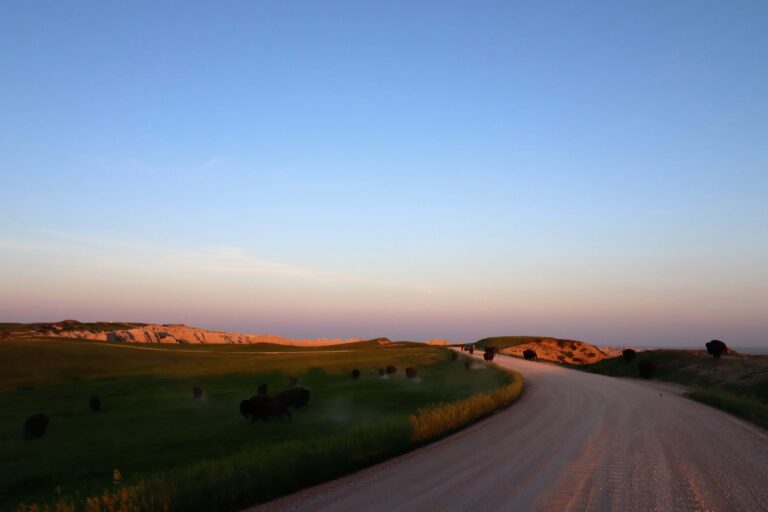
After many days spent moving through the Parks, Monuments, and Protected Lands of the Black Hills and Badlands, a few patterns become clear. Visitors often arrive focused on seeing everything, worried about missing something important. What tends to matter most, though, are the moments that weren’t planned. A change in light. A pause longer than expected. Wildlife appearing quietly at the edge of a scene.
The land rewards attention more than speed. Days that feel balanced usually include fewer stops, more time at each place, and space to notice what’s happening rather than what’s next. When guests slow down, they often begin to see connections between weather, wildlife movement, and how the landscape feels underfoot. Those connections are what stay with people long after the trip ends.
Preparation helps, but flexibility matters just as much. Some of the most memorable days unfold when plans shift slightly to follow conditions or curiosity. That might mean spending more time watching clouds build over the Badlands or lingering in the Black Hills as the forest quiets in the afternoon. Understanding this rhythm helps visitors feel comfortable letting the day evolve.
Above all, the most rewarding experiences tend to come from arriving open rather than scripted. When expectations are loose and attention is steady, the Black Hills and Badlands have a way of offering exactly what the day needs.
The Black Hills and Badlands reward visitors who plan with flexibility and awareness. These travel tips focus on timing, logistics, and mindset so your trip feels smooth instead of reactive.
Three to five days gives you enough time to explore both forested Black Hills terrain and the open Badlands without feeling rushed.
Underestimating driving time between destinations. Scenic routes are part of the experience, but distances add up quickly.
Many visitors stay in one central location like Rapid City and take day trips. If you prefer shorter daily drives, splitting nights between areas can work well.
Summer brings the highest visitor numbers, especially around major landmarks and scenic highways.
Some tours and special programs require advance booking, especially in summer. Popular experiences fill quickly.
Service varies. Towns usually have strong coverage, but remote areas and scenic byways can have limited reception.
Elevation is moderate and rarely causes major issues, but some visitors notice slightly thinner air at higher scenic points.
Start early, visit popular landmarks during shoulder hours, and explore lesser-known scenic roads or overlooks.
Sometimes it helps to explore a topic through a few well-established sources. The links below offer reliable information that complements what you’ve learned here, especially for visitors who like to dig a little deeper before arriving.
These resources are not required reading. They’re simply here for those who appreciate additional context from organizations that work closely with the land, its wildlife, and its history.
National Park Service
Useful for current conditions, park hours, closures, and general orientation for Badlands National Park and nearby protected areas.
U.S. Forest Service – Black Hills National Forest
Helpful for understanding forest lands, scenic byways, and access points throughout the Black Hills.
National Weather Service
Reliable forecasts and weather pattern explanations that help visitors understand how conditions can shift across elevation and terrain.
South Dakota Game, Fish and Parks
Offers insight into wildlife behavior, seasonal patterns, and conservation efforts across the state.
This pairs naturally with the Black Hills and Badlands Wildlife and Black Hills and Badlands Ecology sections of the Visitor Learning Center.
National Park Service Cultural Resources
Background on cultural landscapes, stewardship, and respectful visiting practices.
These sources work best as companions to what you’ve learned here. They provide official updates and broader context, while the Visitor Learning Center focuses on helping you understand how the region feels, moves, and unfolds once you’re on the ground.
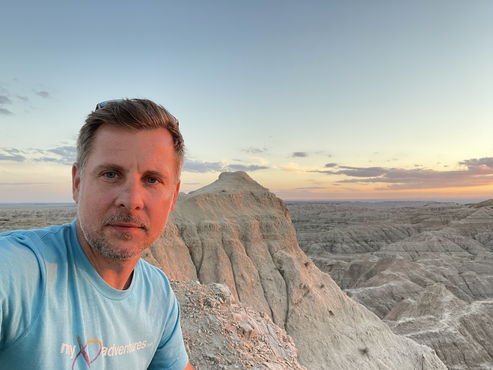
Daniel Milks is the owner and lead guide of My XO Adventures, where he guides small groups through the Black Hills, Badlands, and surrounding landscapes with care, patience, and deep respect for the land. His work is shaped by years spent observing wildlife, weather, geology, and the subtle rhythms that define this region beyond the guidebook version.
Daniel’s approach to guiding focuses on helping guests feel grounded and present rather than rushed or overwhelmed. He believes meaningful travel comes from understanding how a place works, how it feels, and how to move through it with curiosity and humility. This philosophy guides both his tours and the Visitor Learning Center, which was created to help guests arrive informed, comfortable, and ready to engage with the land. Daniel has guided in the Black Hills and Badlands for over 5 years.
If this page helped you feel more oriented, there’s more to explore at your own pace. The Visitor Learning Center was created to give guests a clearer understanding of the Black Hills and Badlands before they arrive, so each experience feels thoughtful rather than rushed. These Black Hills and Badlands travel tips are part of the broader Visitor Learning Center, created to support thoughtful, informed travel.
You can learn more about how animals move through the region in the Wildlife section, explore how plant life, weather, and soil interact in Ecology, or gain perspective on the forces that shaped the landscape through Geology. For those interested in cultural understanding, the Sacred Sites and Indigenous History sections offer respectful introductions to places that continue to hold meaning today.
Practical planning is also supported throughout the center. The Weather, Safety, and Preparation pages help visitors understand conditions, comfort, and awareness, while Photography and Unique Landforms offer ways to deepen observation and appreciation once you’re here. Our Parks, Monuments, and Protected Places of the Black Hills and Badlands showcase the extraordinary places to see during your visit.
Each guide is designed to stand on its own, but together they create a fuller picture of how this region works and how to move through it with curiosity and care. These travel tips for the Black Hills and Badlands are part of the broader Visitor Learning Center.
If spending time with this guide helped you feel more prepared, you may enjoy experiencing the Black Hills and Badlands alongside someone who moves through the land with care and attention. Guided days are shaped around pace, comfort, and curiosity rather than fixed itineraries.
At My XO Adventures, small group tours are designed to create space for observation, conversation, and flexibility. Each experience builds on the same approach used throughout the Visitor Learning Center, helping guests feel informed, grounded, and connected to the places they’re exploring.
If these Black Hills and Badlands travel tips were helpful, you may enjoy exploring the region with a guide who approaches the land with care.
