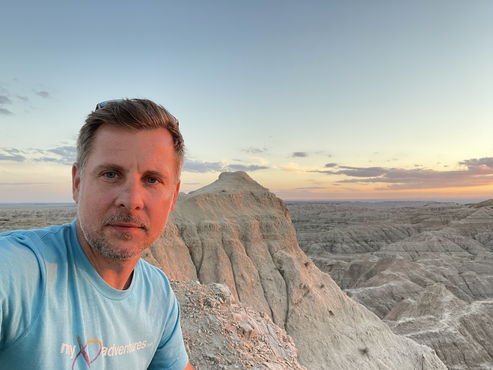
Bring plenty of water, sunscreen, and a small daypack for snacks and extra layers. The Badlands can be hot and dry, so sun protection is important. Many visitors also bring binoculars for wildlife viewing and a camera for the scenic overlooks.

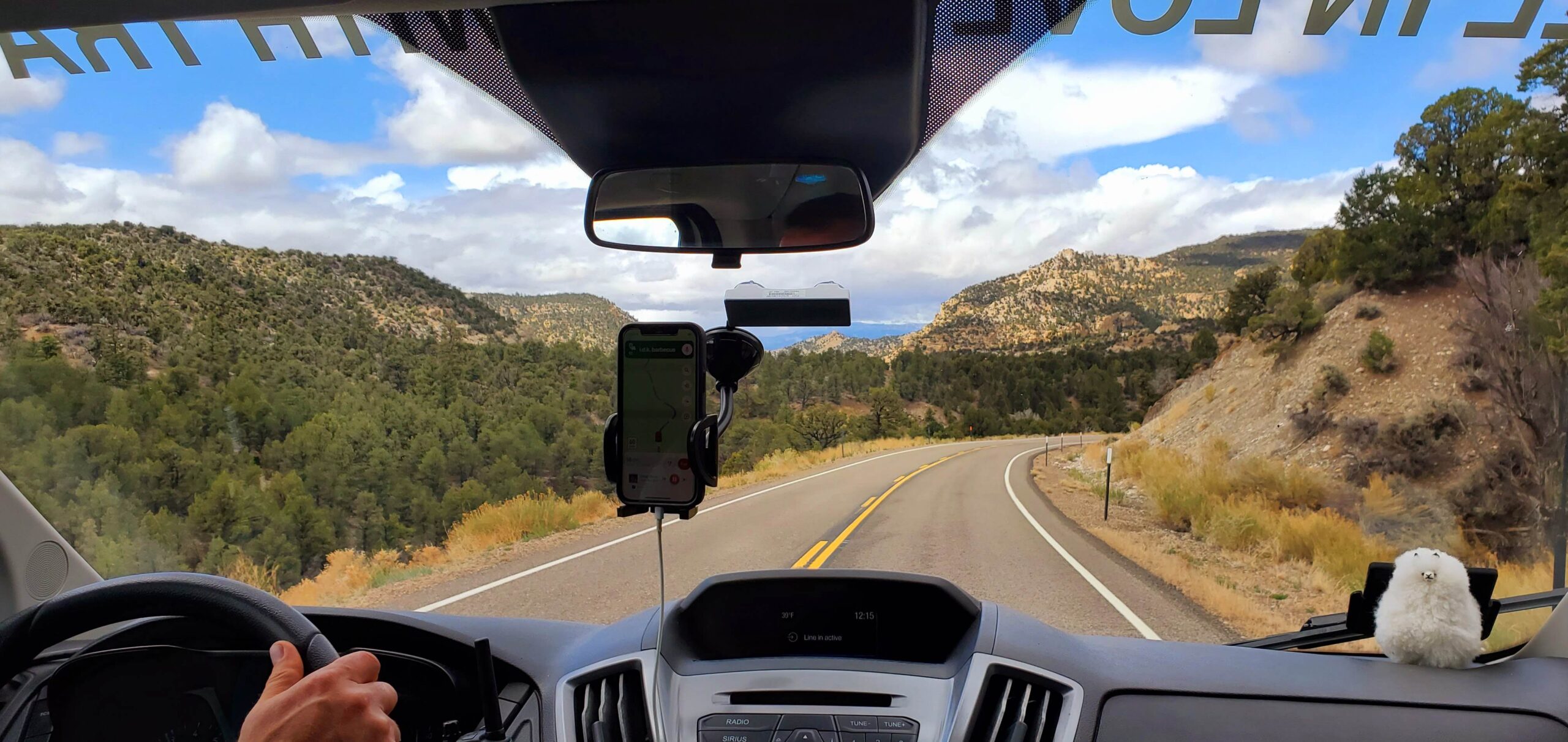
A simple guide to help you arrive prepared, relaxed, and ready to experience the Black Hills and Badlands at their best.
Preparation is about understanding how the land works so you can move through it with confidence and ease. The Black Hills and Badlands are shaped by distance, terrain, weather, and wide open space. When visitors prepare with intention, their time here feels calmer, steadier, and more connected.
This guide is part of the Visitor Learning Center created by My XO Adventures. Its purpose is to help visitors arrive informed and adaptable rather than rushed or uncertain. Preparation here is not about perfection. It is about awareness and flexibility.
This page explains how to choose clothing and layers, what to bring for comfort and safety, how to pace your days, and how preparation shifts with season and terrain. When preparation is thoughtful, the experience becomes more enjoyable and less reactive.

Comfortable hiking shoes or trail runners
Breathable shirts and lightweight hiking pants or shorts
Light jacket or fleece
Hat for sun protection
Sunglasses
Reusable water bottle or hydration pack
Sunscreen and lip balm with SPF
Small daypack for carrying essentials
Trail snacks or energy bars
Lightweight blanket or seat pad for scenic stops
Phone with downloaded maps or GPS
Paper map of the Black Hills region
Portable phone charger or battery pack
Basic first aid kit
Binoculars for wildlife viewing
Camera or smartphone for photos
Insect repellent for wooded areas
Light gloves or warm layer for early morning hikes
Notebook or travel journal
What you bring has a direct impact on how comfortable your day feels. In the Black Hills and Badlands, preparation is less about heavy gear and more about smart, flexible choices that support changing conditions and long distances between stops.
Layered clothing allows you to adjust throughout the day as temperatures change. Comfortable closed toe footwear supports steady footing on uneven ground, gravel, and clay soils. Sun protection is essential in open areas where exposure adds up quickly.
Water is one of the most important items to carry. Dehydration often develops gradually, especially with sun and wind. Simple snacks help maintain energy and focus. A small day pack keeps essentials organized so nothing feels rushed or scattered.
These choices connect closely with the Weather and Safety sections of the Visitor Learning Center.

Clothing to pack for the Black Hills are shaped by both season and landscape. The Black Hills tend to feel cooler due to elevation and forest cover, while the Badlands remain more exposed to sun and wind. It is common to experience noticeable temperature changes within a single day.
Layering is the most reliable approach year-round. A lightweight base layer supports comfort during movement. An insulating layer helps during cooler moments, and a wind-resistant outer layer adds protection in exposed terrain. This system allows flexibility without unnecessary bulk.
Footwear matters as much. Closed-toe shoes with good traction, support, and comfort across varied terrain and changing surfaces. Dressing with adaptability in mind helps days unfold smoothly rather than feeling restricted by conditions.
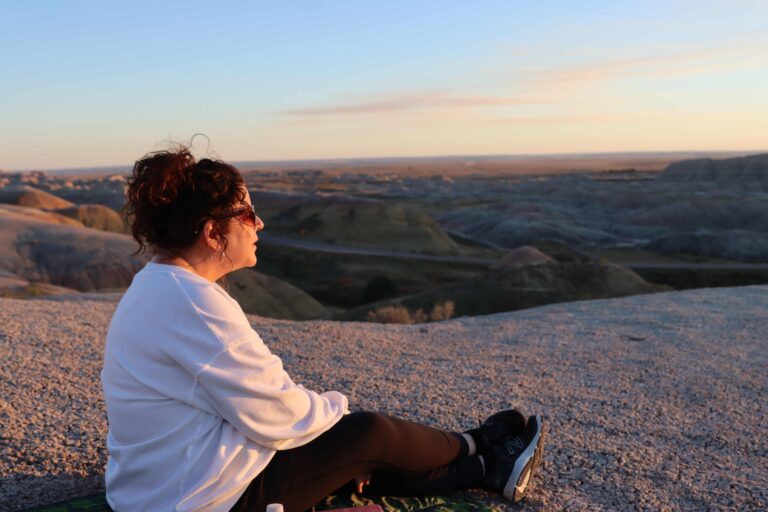
Distances in the Black Hills and Badlands often feel longer in practice than they appear on a map. Trying to fit too much into a single day can lead to fatigue and distraction. Thoughtful pacing creates space for observation, rest, and adjustment.
Fewer stops with more time at each location often lead to deeper experiences. Early mornings and late afternoons tend to feel more spacious and comfortable, while midday hours work well for scenic drives or relaxed stops.
This approach aligns closely with the Travel Tips and Weather guides in the Visitor Learning Center. When time and conditions guide decisions, the day feels balanced rather than hurried.
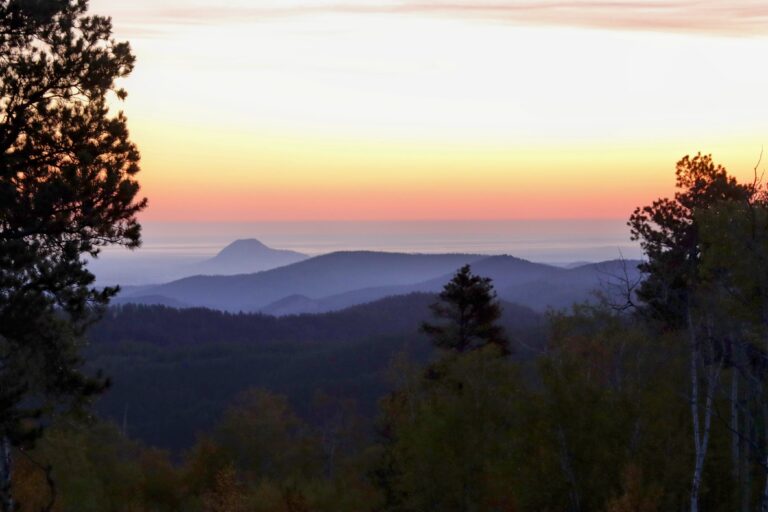
Many visitors arrive with limited time, sometimes only a single day. Preparation becomes especially important in these cases. Focusing on a smaller area reduces driving time and allows for meaningful exploration. If you have only one day in the Black Hills and Badlands, we recommend the Mount Rushmore and Big Badlands Tour from My XO Adventures.
Choosing locations that naturally flow together helps create a relaxed rhythm. Leaving room for wildlife sightings, weather shifts, and quiet moments often leads to more memorable experiences than trying to cover everything.
This approach pairs well with guidance found in Travel Tips and the central Visitor Learning Center hub.

Activity levels vary widely across the region. Some experiences involve short walks on uneven ground, while others are primarily scenic. Preparation begins with choosing experiences that align with your comfort level.
Movement here is rarely about endurance. It is about steady footing, awareness of terrain, and pacing that feels natural. Breaks, shade, and honest communication support comfort throughout the day.
This understanding connects directly with the Safety and Travel Tips sections of the Visitor Learning Center.

Roads in the Black Hills and Badlands follow the natural shape of the land. Curves and elevation changes are common, especially in forested areas.
Most visitors are comfortable, but those who notice motion sensitivity can prepare in simple ways. Sitting toward the front of a vehicle, looking ahead, and taking breaks at overlooks often helps. Being prepared allows the focus to remain on the experience rather than discomfort.

When exploring with a guide, preparation becomes shared. Guests do not need to arrive knowing every detail. What matters most is arriving with awareness and openness.
Guided Tours are adjusted based on weather, interests, and comfort levels. Routes may change, breaks are built in, and pacing remains flexible. Preparation in this context means dressing appropriately, bringing essentials, and communicating needs early.
This approach aligns closely with the Safety and Travel Tips guides in the Visitor Learning Center.


Sometimes the best preparation includes learning from trusted sources that work closely with the land. The following resources offer reliable, up-to-date information that complements what you’ll find in the Visitor Learning Center.
For current conditions, trail updates, and safety notices, the National Park Service provides detailed guidance for Badlands National Park, Wind Cave National Park, and Jewel Cave National Monument. These updates are especially helpful when planning around weather, seasonal access, and closures.
The Black Hills National Forest shares information about forest roads, trail conditions, and seasonal considerations across a wide range of elevations. This can be useful when planning routes, understanding access, or preparing for changing conditions in forested areas.
For weather forecasting and alerts, the National Weather Service offers region-specific forecasts that help visitors anticipate temperature shifts, wind, and storms. Checking forecasts close to your visit supports flexible planning.
These resources work best when paired with the Visitor Learning Center guides. Together, they help visitors arrive informed, prepared, and ready to adjust as conditions change.

Preparation is one part of understanding how the Black Hills and Badlands work. The Visitor Learning Center was created to help visitors build that understanding step by step, offering clear, connected guides that deepen confidence before arrival.
You may want to explore Weather to understand how conditions shift across seasons, Safety to address terrain and wildlife awareness, or Travel Tips to help shape your days. Each page stands on its own while also fitting into a broader picture of the region.
Together, these resources help visitors arrive informed, flexible, and ready to experience the landscape with curiosity and care.
The Visitor Learning Center is designed as a place to slow down before you ever step onto the land. Instead of sorting through scattered information, visitors can explore topics that reflect how the region actually unfolds in real life. Weather influences wildlife movement. Terrain shapes safety decisions. Time and distance affect how much can comfortably fit into a single day. These guides are meant to connect those ideas so preparation feels intuitive rather than overwhelming.
Learning ahead of time changes the way experiences feel on the ground. Visitors often find they notice more, move more comfortably, and feel less rushed when they understand what to expect. Preparation creates space for unplanned moments, quiet observation, and meaningful connection with the landscape.
Each section of the Visitor Learning Center is written with real-world experience in mind. The goal is not to tell visitors what to do, but to help them understand how the land works so they can make thoughtful choices that suit their own travel style. This approach supports both first-time visitors and those returning with deeper curiosity.
As you explore additional guides, you may naturally move between topics. That’s intentional. The Black Hills and Badlands are best understood as a living system, and preparation is strongest when knowledge builds across multiple perspectives. The Visitor Learning Center exists to support that learning, so your time here feels grounded, informed, and open to discovery.
Preparation is one part of understanding how the Black Hills and Badlands work, but it is often the part that shapes how everything else unfolds. The Visitor Learning Center was created to help visitors arrive with context, not instructions. Its purpose is to support awareness so time on the land feels steady, flexible, and unhurried.
Each guide reflects how this region actually functions. Weather influences comfort and visibility. Terrain affects pacing and footing. Wildlife movement changes with light, season, and space. Distance between places shapes how much can realistically fit into a day. When visitors understand these relationships ahead of time, preparation feels intuitive rather than overwhelming.
Exploring sections like Weather, Safety, and Travel Tips helps build that understanding from different angles. These pages are designed to work together, offering insight that supports better decisions without removing spontaneity. Preparation here is not about controlling the experience. It is about recognizing patterns so adjustments feel natural.
Visitors often find that learning before arrival allows them to notice more once they are here. With fewer distractions around logistics and uncertainty, there is more room for observation, conversation, and quiet moments with the landscape. The Visitor Learning Center exists to support that kind of travel, grounded, thoughtful, and open to discovery.
Preparation sets the tone for everything that follows. When visitors arrive informed and flexible, the Black Hills and Badlands feel less like a place to manage and more like a place to experience.
If you are planning a visit and want guidance shaped by real time on the land, My XO Adventures offers small group experiences designed around comfort, pacing, and connection. Our guides adjust to conditions, interests, and energy levels so each day feels thoughtful rather than rushed.
You are also welcome to continue exploring the Visitor Learning Center, where each guide builds on the next. Whether you are learning about weather, safety, wildlife, or travel flow, these resources exist to help you arrive prepared and ready to enjoy what the land offers.
When preparation meets curiosity, meaningful travel follows.
Comfortable, weather-ready layers work best for hiking in the Black Hills. Sturdy hiking shoes or trail runners with good traction are strongly recommended since many trails include rocky sections, roots, and uneven ground. A hat, sunglasses, and sun protection also help.
Bring plenty of water, sunscreen, and a small daypack for snacks and extra layers. The Badlands can be hot and dry, so sun protection is important. Many visitors also bring binoculars for wildlife viewing and a camera for the scenic overlooks.
Bring more water than you expect to need. The Badlands are hot, dry, and exposed with very little shade. A reusable water bottle or small hydration pack is recommended, especially if you plan short hikes or extended scenic stops.
Wear sturdy hiking shoes or trail runners with good traction. Many Black Hills trails include rocky terrain, roots, and uneven ground. Comfortable footwear helps prevent slipping and makes longer hikes much more enjoyable.
Yes. The Badlands landscape is very exposed and the prairie sun can be intense, especially during summer. A hat, sunscreen, sunglasses, and lightweight clothing can help prevent sunburn during scenic drives and short hikes.
Cell service can be limited in some parts of the Black Hills and Badlands. It’s helpful to download maps ahead of time or carry a paper map if you plan to explore scenic drives or more remote areas.
Early morning and late afternoon are often the best times to visit. Temperatures are cooler, wildlife is more active, and the light across the Badlands formations creates more dramatic scenery.
Facilities are available at major visitor centers, park entrances, and some scenic areas, but they can be spaced far apart. It’s a good idea to plan stops ahead of time, especially if you’re driving long scenic routes.
This guide was written by Daniel Milks, founder and lead guide of My XO Adventures. Daniel has spent years guiding visitors through the Black Hills, Badlands, and surrounding landscapes, helping guests understand not just where they are, but how the land works and how to move through it thoughtfully.
His approach to guiding is rooted in observation, storytelling, and care for both guests and place. Preparation, safety, and comfort are woven into each experience so visitors can focus on learning, connection, and discovery rather than logistics or uncertainty.
You can learn more about Daniel’s background, guiding philosophy, and connection to the region on the About Daniel Milks page.