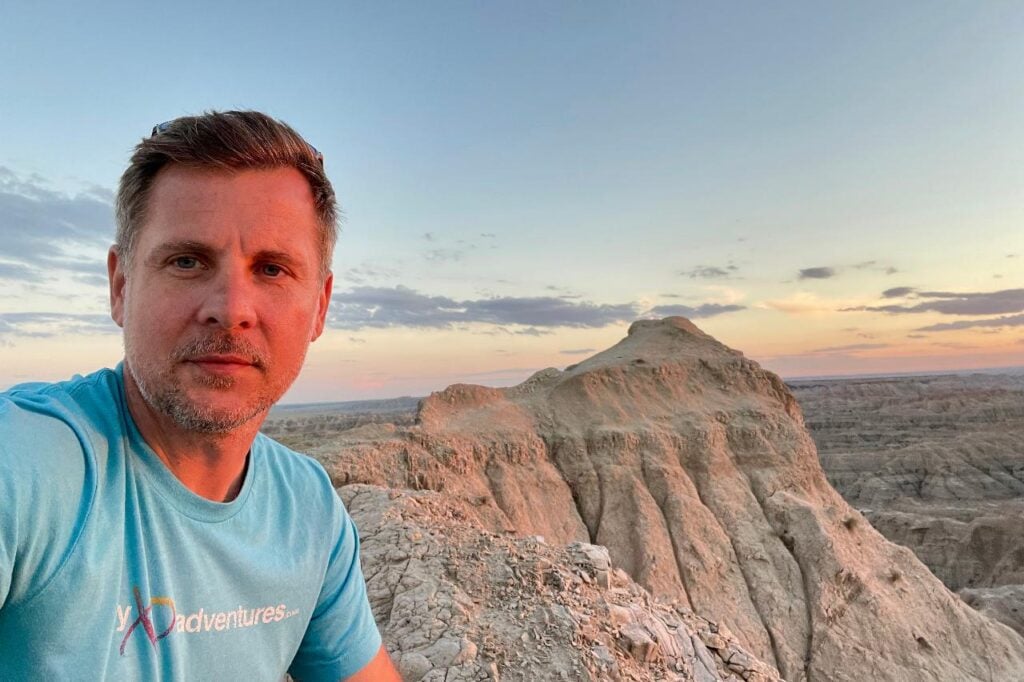
Where geology sets the stage and wildlife, weather, fire, and water write the daily script.
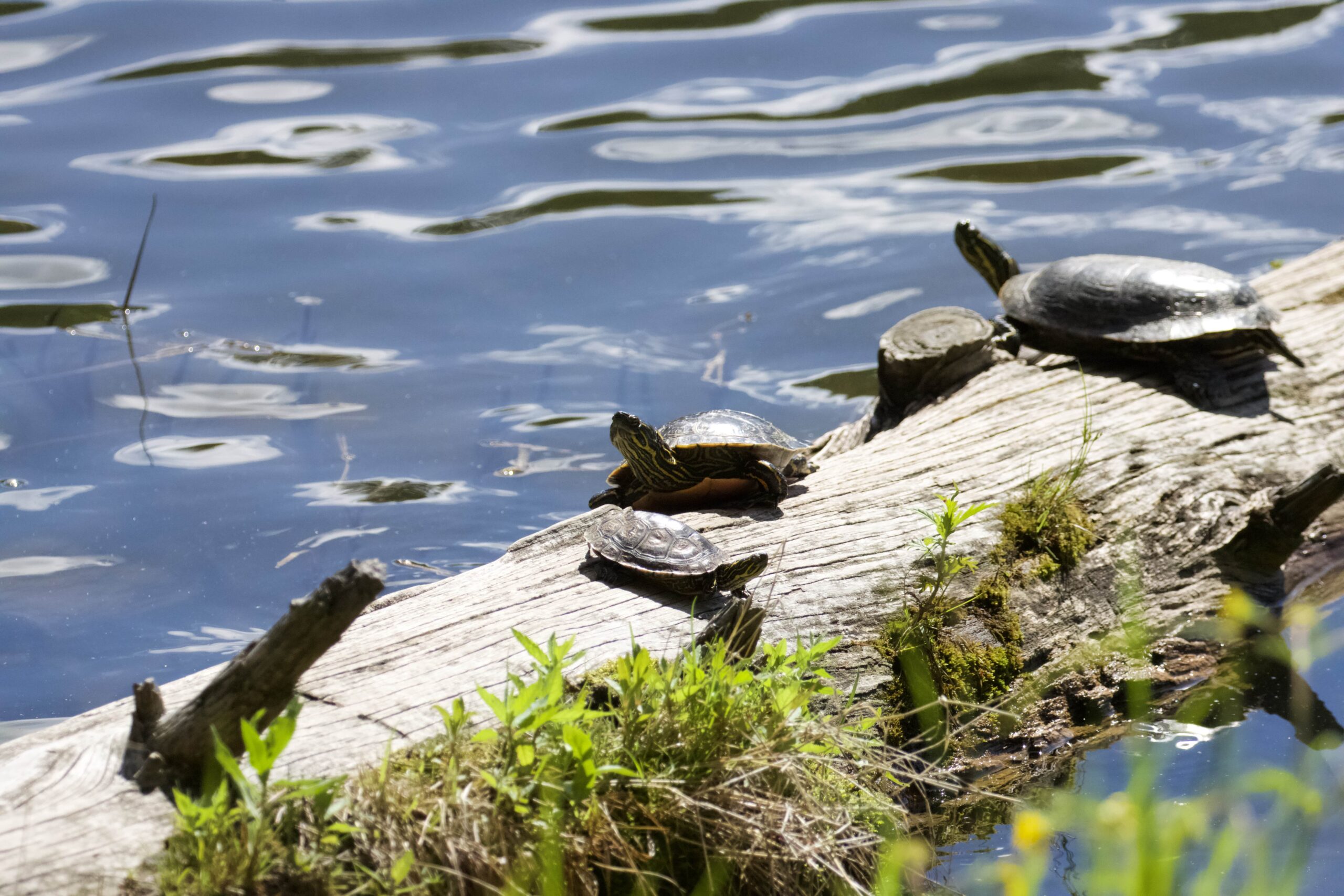
The ecology of the Black Hills and Badlands is the story of how life adapts, survives, and thrives in two very different landscapes. Forested peaks meet wide open prairies, and rugged clay formations rise from ancient seabeds. Every plant, animal, soil type, and weather pattern plays a part in shaping how this region lives and breathes. This page helps you understand these relationships in a simple, welcoming way.
You’ll learn how plant communities form, how wildlife depends on them, how weather shapes the land, and how geology influences everything from soil to migration patterns. These guides from My XO Adventures are designed to help you explore with more awareness, care, and curiosity.
If you’d like to see these systems in action, My XO Adventures offers small group experiences that move at a human pace. You’re welcome to join us and spend time with the land in a thoughtful way.

The Black Hills rise like an island of forest and stone in the middle of the prairie. Their ecology is shaped by cooler temperatures, higher elevations, and a rich mix of ponderosa pine, wildflowers, grasses, and flowing water. These conditions support wildlife that does not often appear in the surrounding plains. Elk, deer, mountain goats, and many bird species move between meadows, ridges, and sheltered draws in patterns that are closely tied to seasonal changes. When you understand how these systems work, the hills begin to feel more alive and responsive. Exploring the diverse species of the Black Hills reveals a tapestry of life that thrives in this unique ecosystem. From the vibrant colors of its wildflowers to the subtle rustle of grass underfoot, the variety is both rich and surprising. Each corner of the Black Hills is home to creatures that have adapted to its distinct climate, making it a haven for naturalists and adventurers alike.
Water plays a central role here. Streams, springs and waterfalls feed pockets of lush growth, while rocky slopes create sunny, dry conditions just a few steps away. This contrast allows many different plant and animal communities to coexist in a small area. Exploring the Black Hills with that awareness opens the door to a deeper appreciation of the region’s diversity. If you’d like to connect this knowledge with what shapes the land itself, the Black Hills and Badlands Geology guide pairs beautifully with this section.

Life in the Badlands doesn’t spread evenly across the landscape. Instead, it appears in patterns shaped by time of day, season, and access to shelter. Animals often move along drainages, ridge lines, and prairie dog towns, using subtle changes in elevation and soil to find food and protection. Plants grow where brief moisture collects, anchoring themselves quickly before wind and sun return.
Much of Badlands ecology depends on timing rather than abundance. Birds nest when insects peak. Mammals adjust activity to avoid heat. Burrowing species create shared spaces that support multiple forms of life. Understanding these rhythms helps visitors see that the Badlands are not empty, but precise. Life here is carefully tuned to narrow windows of opportunity.


Plant life in the Black Hills and Badlands ecology begins with the soil beneath it. In the hills, granite and limestone break down into richer, more stable soils that support ponderosa pine forests, grassy meadows, and seasonal wildflowers. These plant communities create shade, shelter, and food sources for many species, forming the backbone of the region’s forest ecology. When you walk through these areas, the mix of scents, textures, and light changes with each step, reminding you that the land is not uniform but a collection of small, interconnected habitats.
In the Badlands, soil tells a different story. Clay and volcanic ash create fine, powdery ground that shifts quickly with wind and water. Only hardy grasses, shrubs, and drought-tolerant flowers can take root here, but these plants are essential. Their roots help hold the soil in place, allowing insects, small mammals, and grazing animals to find food and cover. Understanding how soil shapes plant communities adds depth to everything you see, whether you are exploring forested hillsides, open prairies, or rugged formations.
For a better sense of how these landscapes were formed, the Geology guide pairs well with this section. To understand the extraordinary places throughout western South Dakota, visit the Parks, Monuments, and Protected Lands of the Black Hills and Badlands.

Weather shapes every part of life in the Black Hills and Badlands ecology. Sudden summer storms produce brief but intense rainfall that promotes grass growth and supports grazing animals. Long stretches of heat test the resilience of plants and influence where wildlife finds shade and water. In winter, snow provides essential moisture that sinks into soil and fuels spring growth. Each shift in temperature, wind, and sunlight creates a ripple effect that touches the entire landscape.
Some of these changes are easy to see. Others are subtle. Birds alter their routes with shifting winds. Wildflowers respond to cool spring nights. Animals time their movements in response to storms and seasonal transitions. When you understand how weather interacts with soil, plants, and wildlife, the land becomes more dynamic and interconnected. If you seek a clearer understanding of these patterns, the Weather of the Black Hills and Badlands guide in the Visitor Learning Center complements this section and offers practical insights for travelers.
Sudden storms and erosion
Temperature swings and animal movement
Seasonal moisture and plant growth
Wind and soil exposure

Human activity shapes the Black Hills and Badlands Ecology in ways visitors often do not notice at first. Trails, roads, noise, and simple foot traffic all influence how animals move and where plants can thrive. Even small actions, like stepping off a marked path or approaching wildlife too closely, can create stresses that ripple through the ecosystem. At the same time, thoughtful choices support the land’s resilience. Staying on trails, giving animals space, and keeping natural areas clean help protect sensitive environments that depend on stability.
Travelers who understand their role in the landscape tend to have more meaningful experiences. When you move through the hills and prairies with awareness, the land feels more alive. You notice how easily clay crumbles in the Badlands or how quickly meadows recover after rain. You recognize when an area needs quiet or when a trail is helping prevent erosion.
If you want guidance on traveling with care, the Safety, Preparation, and Travel Tips pages in the Visitor Learning Center offer simple steps that support both the land and your time here. For places of cultural significance, the Sacred Sites guide provides extra context to help you navigate respectfully. Small choices directly affect soil stability, plant recovery, and wildlife movement.
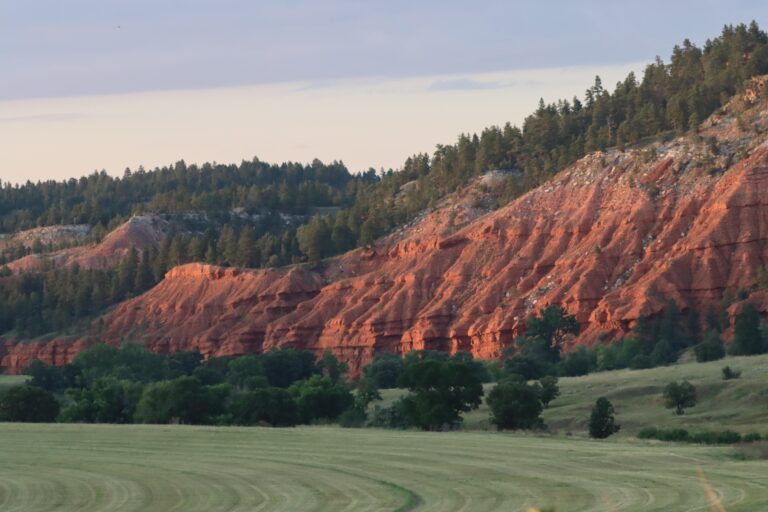
The Black Hills contain plant and animal species found nowhere else in South Dakota due to cooler temperatures and higher elevation.
Prairie ecosystems surrounding the hills rely on deep-rooted grasses that help anchor soil and support grazing wildlife such as bison and pronghorn.
The Badlands experience some of the fastest erosion rates in North America, which influences plant growth, soil stability, and wildlife habitat.
Prairie dog towns in the Badlands and nearby grasslands support entire communities of species, making them one of the region’s most important ecological centers.
Wildfire plays a natural role in the Black Hills, helping renew forests and support healthy pine stands.
Weather shifts such as sudden storms, hail, or long dry periods shape where plants thrive and how wildlife moves through the land.
The geology of an area determines the soil, and soil determines which plants and animals can survive there. This connection is explored in the Black Hills and Badlands Geology guide.
Many traditional teachings in Indigenous communities describe the Black Hills and Badlands ecology as interconnected living systems, a perspective explored further in the Indigenous History and Cultural Perspectives guide.
A trait or behavior that helps a plant or animal survive in its environment. In the Badlands, many species rely on drought-resistant adaptations.
The variety of plant and animal life within an ecosystem. The Black Hills have higher biodiversity than the surrounding prairies because of their cooler climate and varied terrain. This makes the Black Hills and Badlands Ecology extremely diverse.
A community of living organisms and the environment that supports them. Each system in the region, forest, prairie, or Badlands, has its own relationships.
The specific area that provides food, water, shelter, and space for wildlife. Habitats shift between meadows, rocky slopes, prairies, and river bottoms.
A species that has an outsized influence on its ecosystem. Prairie dogs are a classic example, shaping soil, water flow, and the survival of many other animals.
A small area where temperature, moisture, or sunlight differs from the surrounding region. The Black Hills have many microclimates due to elevation and terrain.
An animal that moves pollen between flowers. Bees, butterflies, and hummingbirds play essential roles in supporting healthy plant communities.
The ecosystem along the banks of rivers and streams. These areas are rich with plant life and attract wildlife seeking water and shade.
The natural process of change in plant communities over time. After fire or disturbance, new growth begins a cycle that eventually leads to a mature forest or prairie.
For more background on how geology shapes these terms, explore the Black Hills and Badlands Geology page. To see how ecological relationships show up in daily life, the Wildlife guide connects directly to many of the concepts listed here.

Some of the clearest lessons about the Black Hills and Badlands ecology come from quiet moments on the trail. Early mornings in the Black Hills often begin with the smell of pine and a soft, rising breeze. Birds call from forest edges, and sunlight filters through the branches in a way that makes the whole hillside feel alive.
On days like this, it becomes easy to see how plant communities create shelter and how wildlife moves through those spaces with purpose. You start to notice how a shift in wind brings new sounds or how certain flowers only open when the air warms. These details help you feel connected to the land in a deeper, more personal way.
The Badlands offer a different kind of teaching. Their wide, open spaces make every movement stand out. You might see a hawk circling above a prairie dog town or a single patch of green growing after a hard rain. Standing in that quiet, with the land stretching out in every direction, you begin to appreciate how resilient these systems are.
The heat, the wind, the shifting soil, and the ongoing erosion all work together to shape how wildlife survives. If you’d like to connect these observations with the processes that form the land, the Geology page provides helpful context. For how animals respond to these conditions, the Wildlife page pairs well with these experiences.

If you want to understand the Black Hills and Badlands more fully, the Visitor Learning Center offers guides that connect naturally with what you’ve learned about ecology. Each page adds a new layer of insight, helping you see how the land, wildlife, weather, and history fit together. Ecology is the thread that holds many of these stories in place.
You can explore Black Hills and Badlands Geology to see how the landforms beneath your feet shape soil and plant life. The Black Hills Wildlife page explains how animals respond to ecological patterns in both regions. If you’re curious about how culture and relationships influence the land, the Indigenous History and Cultural Perspectives guide offers thoughtful context. For travelers who want practical support, Travel Tips and Safety and Preparation help you move through the region with awareness and care. Together, these guides create a complete picture of a landscape that is constantly changing and always teaching.
If you’d like to learn more about the ecology of the Black Hills and Badlands, there are excellent resources that deepen your understanding of how these landscapes function. These organizations study plant communities, wildlife behavior, water systems, and long-term ecological patterns that shape the region. Their work supports conservation efforts and helps visitors appreciate the land with greater awareness.
Exploring these resources is a natural next step for anyone curious about how ecosystems evolve and how humans can support their health. The links below lead to science-based, easy-to-use information that complements everything you’ve read in this guide. They also provide regional context that can enrich your experience on any trail, overlook, or open stretch of prairie.
Recommended Ecology Resources:
South Dakota Game, Fish & Parks – Wildlife and Habitat Information
The Nature Conservancy – Northern Great Plains Conservation Work
South Dakota State University Extension – Grasslands and Plant Communities
Audubon Society – Regional Bird Habitats and Migration Patterns
World Wildlife Fund – Northern Great Plains Ecology Overview

Exploring the ecology of the Black Hills and Badlands becomes even more meaningful when you move through the land with awareness. Understanding how plants, wildlife, soil, and weather interact helps you recognize the subtle details that make each place unique. A well-prepared visit supports both your experience and the health of the ecosystems you’re stepping into. Simple choices like staying on trails, carrying enough water, and giving wildlife plenty of space help protect the land and keep you comfortable during your journey.
If you’d like to experience these places with someone who knows the rhythms of the region, My XO Adventures offers small private tours designed to help you see things you might otherwise miss. We move at a relaxed pace and focus on the connections that bring the landscape to life. You’re always welcome to join us for an experience shaped by curiosity, care, and a deep respect for the land.
The Black Hills and Badlands aren’t just dramatic landscapes. They’re living systems shaped by climate, elevation, fire, grazing, and time. This FAQ helps you understand how plants, animals, soil, and weather interact to create two very different but connected ecosystems.
The Black Hills are higher in elevation and support dense forests, streams, and cooler microclimates. The Badlands are drier, more exposed, and dominated by grasslands and eroding sediment formations. One is forest-based, the other prairie-based.
Elevation and moisture make the difference. The Black Hills receive slightly more precipitation and have shaded slopes that retain moisture. The Badlands are hotter, windier, and drier, which limits tree growth.
Fire is a natural ecological force in the Black Hills. It clears undergrowth, recycles nutrients, and helps maintain forest health. Suppressing fire for long periods can actually increase risk of larger wildfires.
Prairie grasses have deep root systems that reach far below the surface, allowing them to access moisture even in dry periods. Those roots also stabilize soil and reduce erosion.
Yes. Bison thrive in open prairie. Bighorn sheep prefer steep, rocky terrain. Forest species rely on tree cover. Habitat diversity across the region supports a wide range of wildlife.
The sedimentary rock is relatively soft. Rain, wind, and temperature swings break it down quickly, constantly reshaping ridges and slopes.
Spring brings new grass growth and active wildlife. Summer intensifies heat and dryness. Fall cools the landscape and shifts plant color. Winter simplifies the system, slowing biological activity but not stopping it entirely.
Stay on trails, avoid disturbing wildlife, pack out trash, and resist climbing fragile formations. Small choices help protect both plant life and soil stability.
This guide was written by Daniel Milks, owner and guide at My XO Adventures. Years spent exploring the Black Hills and Badlands have shaped his understanding of the region’s ecology, from the quiet resilience of prairie grasses to the way forests change with the seasons.
Daniel studies these landscapes by spending time in them, observing how weather, wildlife, and plant life interact day after day. His approach blends curiosity with respect, helping visitors see the land as a living system rather than a collection of separate sights.
Daniel believes that travel should inspire connection. When he guides guests through the hills, prairies, or Badlands, he shares stories that help them understand why these places matter and how they continue to evolve. His experience in the field informs every aspect of the Visitor Learning Center.
If you’d like to learn more about his background and philosophy, visit the Author Page, which introduces the person behind My XO Adventures. Daniel has led small-group educational tours in the Black Hills and Badlands for over 5 years.