Talk to Your Guide: (605) 252-9100

Follow us on:

Visitor Learning Center

Field tested guides to wildlife, geology, weather, safety, and culture across the Black Hills and Badlands.

The Visitor Learning Center is a collection of clear, thoughtful guides designed to help you understand the Black Hills and Badlands before you arrive. This learning center helps you understand the Black Hills and Badlands before you arrive, from wildlife and geology to weather, safety, and cultural contexts that shape this region. The goal is simple. To help you explore with awareness, confidence, and a deeper sense of connection to the land.

The Visitor Learning Center is a collection of clear, thoughtful guides designed to help you understand the Black Hills and Badlands before you arrive. Inside, you’ll find practical insight on wildlife, geology, weather, safety, and the cultural contexts that shape this region. The goal is simple: to help you explore with awareness, confidence, and a deeper connection to the land.

Created by My XO Adventures, this learning hub is built from years of guiding experience and real time in the field. Each section is written to be useful and approachable, grounded in firsthand observation. You don’t need expert knowledge to begin. You only need curiosity and a willingness to learn.

What This Page Is

The Visitor Learning Center is a planning and understanding hub for the Black Hills and Badlands. It brings together practical, field-based insight on wildlife, geology, weather, safety, and cultural context so you can arrive informed and grounded.

What This Page Is Not

This is not a booking page, a news feed, or an exhaustive encyclopedia. It’s a curated foundation designed to give you clarity, perspective, and confidence before you explore the region in person.

Last updated: February 12, 2026

This Visitor Learning Center is built from firsthand guiding experience in the Black Hills and Badlands. Each section is written from time spent in the field, reviewed for accuracy, and supported by trusted public sources listed below.

Learning Paths at the Visitor Learning Center

The Visitor Learning Center is organized around clear learning paths that help visitors understand the Black Hills and Badlands through land, culture, history, and living relationships to place.

Indigenous History and Living Culture

  • Learn how Indigenous nations have understood, named, and cared for these landscapes for thousands of years, with emphasis on living cultures rather than past tense history.
  • Explore how Indigenous knowledge systems, oral traditions, and cultural values shape interpretation of land, wildlife, and historical events.

Wildlife and Ecology of the Black Hills and Badlands

  • Discover how plants and animals adapt to prairie, forest, and badlands ecosystems, and how these systems are interconnected rather than isolated.
  • Understand wildlife behavior, seasonal movement, and ecological balance through observation, storytelling, and place based context.

Geological Time and Landscape Formation

  • Learn how deep geological time shaped the Black Hills uplift and the erosion patterns of the Badlands, creating the landscapes visitors see today.
  • Explore how rock layers, fossils, and landforms tell long stories about ancient environments and environmental change.

Cultural Memory, Conflict, and Preservation

  • Examine how multiple histories coexist in the Black Hills and Badlands, including settlement, displacement, conflict, and survival.
  • Learn how preservation efforts, interpretation choices, and modern tourism shape how stories are remembered, told, and protected.

A Gentle Starting Point

You can explore these guides in any order. Some visitors read one page before their trip. Others return again and again as questions arise. Wherever you begin, this space is here to support learning that feels steady, respectful, and grounded.

meditate in the great outdoors visitor learning center

Wildlife

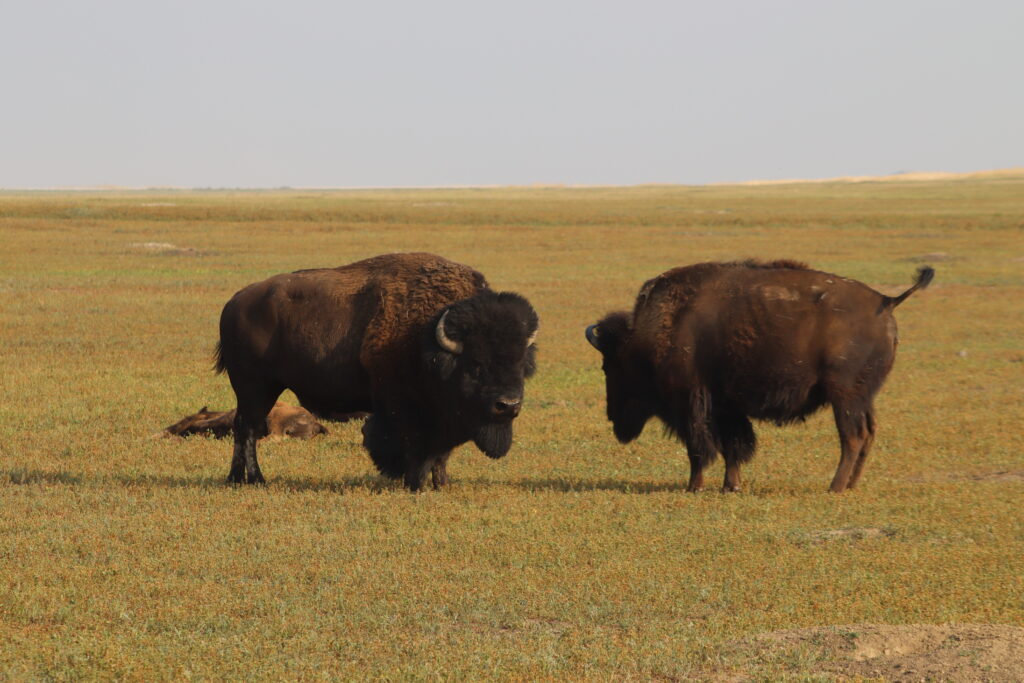
Wildlife in the Black Hills and Badlands moves with the seasons, the weather, and the availability of food and water. These guides help you understand animal behavior, viewing etiquette, and the ecological roles wildlife plays across the region. Learning a bit before you arrive often leads to calmer, more meaningful encounters. You’ll also learn how to spot stress signals in animals and adjust your distance and pace so your presence doesn’t change their behavior.

We cover common safety considerations and local realities, including bison and prairie dog town etiquette, predator awareness, and what to do when wildlife is near roads or trails. The goal is simple: help you read what’s happening around you, make respectful choices, and walk away with observations that feel earned.

wildlife badlands national park

Ecology

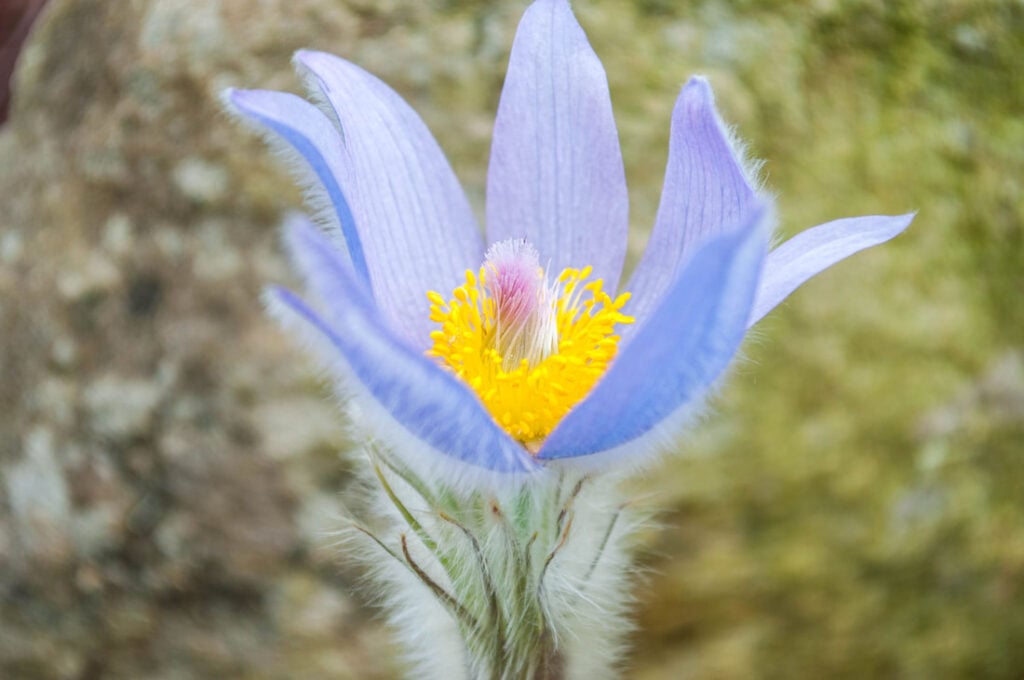
Ecology reveals how plants, wildlife, weather, and soil work together as living systems. This section helps you see the land as something dynamic and connected, rather than a collection of separate features. It’s a foundation for understanding everything else you’ll encounter. You’ll learn how elevation, moisture, and exposure shape what grows where, and why the same drive can feel like a series of entirely different worlds.

We also break down the relationships that matter in the field, things like seasonal plant cycles, insect activity, grazing pressure, and how fire and drought reshape habitat over time. Once you understand those patterns, you start noticing the land’s “why,” not just its “what,” and the whole region becomes easier to read.

ecology pasque flower

Geology

The rocks beneath your feet tell a story that spans millions of years. These guides explain how ancient seas, uplift, and erosion shaped the Black Hills and Badlands into what they are today. Understanding geology adds depth to every overlook and trail. You’ll start recognizing the clues that are easy to miss at first glance, things like layered sediments, tilted formations, and the way certain rock types weather into specific shapes.

We translate big time and complex processes into simple visual anchors you can use in the field, so the landscape stops feeling random and starts making sense. Once you can read those patterns, the region becomes a living timeline, and even a short walk can feel like stepping through eras.

geology. an image of mica schist mixed with granite.

Unique Landforms

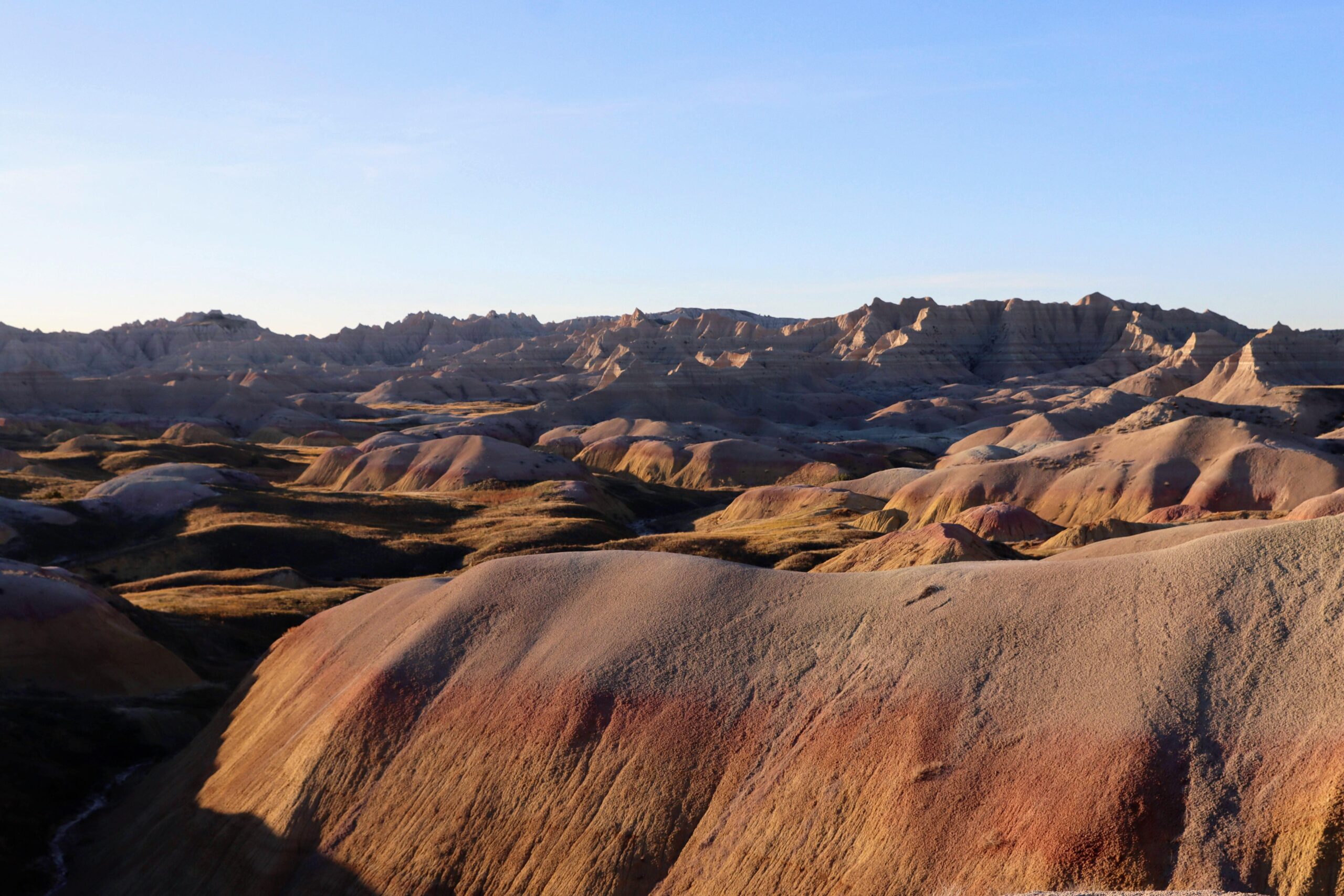
From sharp ridges to layered cliffs and unexpected formations, this region is filled with striking natural shapes. This section introduces landforms that stand out visually and explains how they came to be, with links to deeper exploration. You’ll learn what to look for in the shapes themselves, including how water, wind, freeze and thaw cycles, and time carve different signatures into rock and soil.

We also point out the simple field cues that help you understand what you’re seeing, like slope angles, rock texture, drainage patterns, and the relationship between harder caprock and softer layers beneath it. The goal is to help you move beyond “wow” into “why,” so each viewpoint becomes a story you can follow, not just a photo stop.

cathedral spires on our black hills tour unique landforms

Parks, Monuments, and Protected Places

National parks, monuments, state parks, and protected areas each serve a different purpose in preserving this landscape. These guides explain what makes each place unique, what visitors should know before arriving, and how protection helps keep the land intact for future generations. You’ll get a clear sense of the differences between these designations, including how they affect access, rules, visitor services, and what kinds of activities are allowed.

We also highlight practical planning details that shape a good day on the ground, things like peak crowd windows, road and trail conditions, fee and pass considerations, and how to avoid common pinch points. Along the way, we connect protection to real outcomes, including habitat stability, cultural preservation, and the simple visitor choices that make a place feel cared for long after you leave.

badlands national park tour

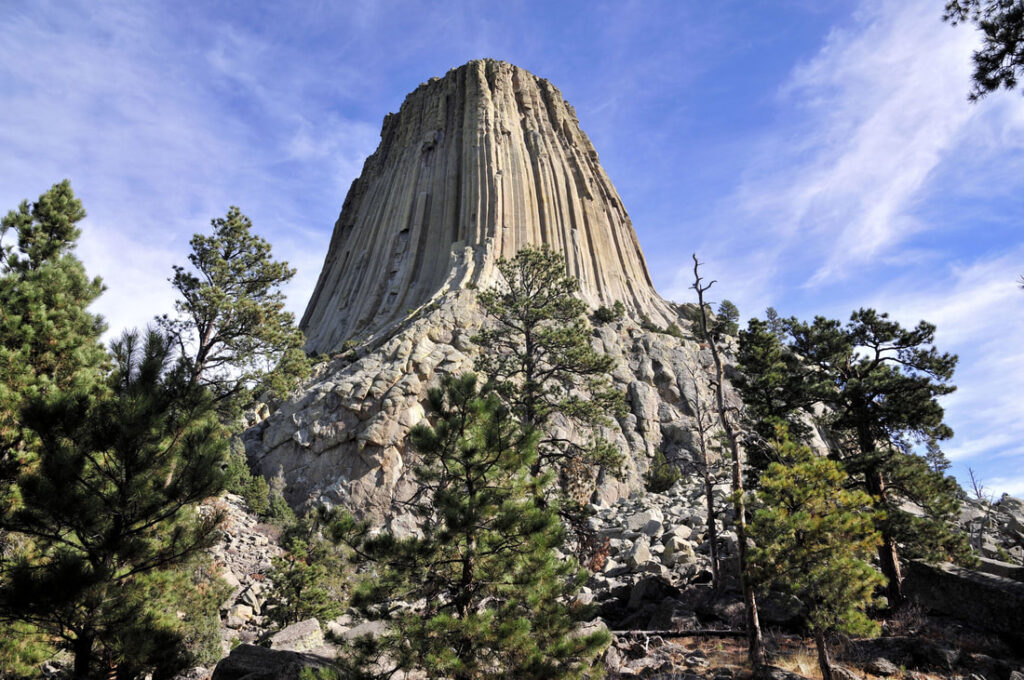
Sacred Sites

Some places in the Black Hills and Badlands carry deep cultural and spiritual meaning. This section offers respectful introductions to sacred landscapes, how to visit thoughtfully, and why certain areas are treated with care. The focus is on understanding, not intrusion. You’ll learn the difference between a place that is scenic and a place that is sacred, and how that changes the way we speak, move, and behave while we’re there.

We also share practical etiquette that protects these landscapes, including staying on designated routes, avoiding disturbance of offerings or cultural materials, and keeping photography and storytelling appropriate to the setting. The goal is to help visitors arrive with humility and awareness, so respect becomes part of the experience rather than an afterthought.

what is the story of devils tower national monument? sacred sites

Indigenous History and Cultural Perspectives

The Black Hills and surrounding areas have long been home to Indigenous Nations whose relationships with the land continue today. These guides offer thoughtful context, shared with respect, to help visitors understand history, presence, and meaning beyond surface-level facts. You’ll find clear introductions to key themes and timelines, along with an emphasis on listening, accuracy, and the difference between curiosity and entitlement.

We also highlight how Indigenous presence is not just historical, it’s ongoing, visible, and carried through language, ceremony, family, and community life. The aim is to help visitors move past simplified narratives, recognize what they may not have been taught, and engage the region with greater awareness and care.

native american arts and culture land acknowledgement indigenous history

Weather

Weather influences everything from road conditions to wildlife movement. This section helps you understand seasonal patterns, sudden changes, and how to plan around them so your time outdoors feels safer and more comfortable. You’ll learn what’s normal for each season, plus the common surprises visitors run into, including fast temperature swings, strong winds, prairie thunderstorms, and rapid visibility changes.

We cover practical decision points like when to start early, how to layer effectively, what to pack for short hikes versus long drives, and how to read conditions before committing to remote roads. The goal is to help you plan with realism, adjust confidently in the moment, and spend more time enjoying the landscape instead of reacting to it.

storm cloud brews. weather in the badlands

Photography

Light, weather, and timing shape every photograph here. These guides share simple, practical ideas for capturing landscapes and wildlife without needing technical expertise. The focus is on observation, patience, and seeing the land clearly. You’ll learn how to use the conditions you’re given, including harsh midday sun, shifting cloud cover, wind, haze, and winter glare, without fighting the scene.

We also cover the field habits that lead to better images, like slowing down, watching for repeating patterns, choosing a clean background, and giving wildlife space so your presence doesn’t alter the moment. The goal is to help you come home with photos that feel honest and alive, tied to what you actually experienced out there.

bison photography

Travel Tips

Good travel begins with thoughtful planning. These guides offer advice on timing, routes, pacing, and choosing experiences that match your interests, helping you make the most of your visit. You’ll learn how to build days that feel spacious instead of rushed, with realistic drive times, smart stop sequences, and options that fit the season.

We also cover practical details that reduce friction, things like crowd patterns, road closures, sunrise and sunset timing, and how to keep plans flexible when weather or wildlife changes the day. The goal is to help you travel with intention, so your trip feels like a connected experience instead of a checklist.

travel tips from the baldands

Preparation

Thoughtful preparation shapes the entire experience before you ever step outside. This section helps you understand what to bring, how to plan your days, and what to expect across seasons and landscapes. A little preparation makes exploring the Black Hills and Badlands feel smoother, calmer, and more enjoyable. You’ll find practical packing guidance based on real conditions, including wind, sudden temperature changes, sun exposure, and the mix of paved access and rugged terrain.

We also cover simple planning habits that prevent common stress points, like keeping water and snacks within reach, knowing your fuel and restroom options, and building in buffer time for wildlife stops and scenic pullouts. The goal is to help you arrive ready, so your energy goes into noticing and enjoying the land instead of solving avoidable problems.

daniel and mom family run business at contact my xo adventures

Safety

Feeling safe allows you to fully enjoy where you are. These guides focus on wildlife awareness, terrain conditions, weather-related risks, and practical habits that help keep experiences comfortable and worry-free. The goal is confidence, not caution. You’ll learn simple situational habits that make a big difference, like staying aware of wind and exposure, watching footing on loose slopes, and recognizing when conditions are shifting faster than expected.

We also cover realistic wildlife safety, including how to give animals space, what to do when wildlife is close to roads or trails, and how to avoid the common mistakes that create tension for both people and animals. The aim is to help you move through the region with calm, grounded judgment, so safety becomes part of the flow instead of something that distracts from it.

discovering the badlands wildlife safety

Learning Paths Through the Visitor Learning Center

Not sure where to begin? These learning paths offer gentle starting points based on what you’re most curious about or what stage of planning you’re in. You can follow one path or explore freely. There’s no right way to begin.

If you’re visiting for the first time

Start with Wildlife, then explore Ecology and Weather to understand how animals, land, and conditions shape daily experiences. Finish with Travel Tips, Preparation, and Safety to feel ready and confident before you arrive. Our Top 10 Personalized Black Hills Tours takes you directly to the tour descriptions.

If you want to understand the land itself

Begin with Geology, then move into Unique Landforms and Ecology to see how rock, soil, plants, and wildlife are connected. This path offers a deeper sense of how the Black Hills and Badlands came to be.

If you’re curious about meaning and history

Explore Sacred Sites alongside Indigenous History and Cultural Perspectives. These guides provide context for why certain places are treated with care and how relationships with the land continue today.

If photography is part of your trip

Start with Weather, then visit Photography to understand light, timing, and conditions. Pair this with Wildlife and Unique Landforms to plan where and when to slow down.

If you want to travel thoughtfully and responsibly

Read Preparation, Safety, and Travel Tips, then return to Ecology and Sacred Sites to better understand how your choices affect the land and the experience of others.

About My XO Adventures

My XO Adventures was created with a belief that meaningful travel begins with understanding. The Black Hills and Badlands are more than destinations. They are living landscapes shaped by time, weather, wildlife, and human relationship. This Visitor Learning Center exists to help travelers approach these places with curiosity, care, and a deeper sense of awareness before they arrive.

These guides are written from years spent exploring the region slowly and intentionally. Rather than rushing from highlight to highlight, My XO Adventures focuses on noticing patterns, listening to the land, and learning how different elements work together. The goal is not to tell visitors what to think, but to offer context that makes each experience feel richer and more grounded.

If you choose to explore with My XO Adventures, you’ll find the same philosophy reflected in every tour. Small groups, unhurried pacing, thoughtful storytelling, and a deep respect for the land and its history guide everything we do. Whether you join a tour or simply use the Visitor Learning Center as a resource, you’re always welcome here.

ashley feeding alpacas on a badlands tour - about my xo adventures

Trusted Resources for Deeper Learning

If you’d like to explore more about the Black Hills, Badlands, and the surrounding region, these trusted resources offer clear, accurate, and well-supported information. They’re helpful before your visit and useful once you’re here, especially if you want to understand wildlife, landforms, seasonal conditions, or the cultural history that shapes this place.

These links connect you with agencies, museums, and organizations that preserve, study, and protect the land every day. They complement the guides inside the Visitor Learning Center and give you access to detailed maps, safety updates, scientific insights, and culturally grounded perspectives that support a meaningful experience.

Recommended Resources:

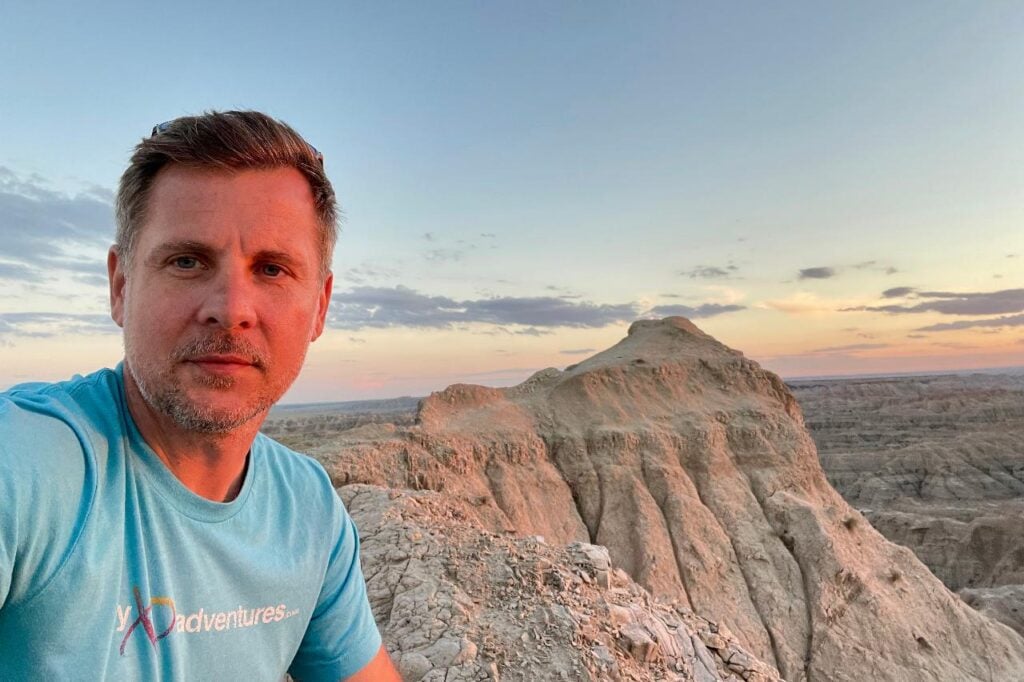
Written by Daniel Milks

Daniel Milks is the owner and lead guide of My XO Adventures. He has been guiding private tours in the Black Hills and Badlands since 2020 and has led group tours around the world since 2011.

His work focuses on culture, wildlife, geology, and hospitality, with an approach rooted in field observation and meaningful guest experience. Years spent guiding in changing weather, across seasons, and with diverse travelers have shaped how he interprets landscapes, notices ecological patterns, and understands how culture and land connect.

This Visitor Learning Center is built from firsthand guiding experience in the Black Hills and Badlands. Every section reflects time in the field, real guest questions, and a commitment to helping visitors arrive informed, aware, and prepared.

• Guiding professionally since 2011
• Private tours in the Black Hills and Badlands since 2020
• Focus areas include culture, wildlife behavior, geology interpretation, and hospitality

You can learn more about Daniel’s background, guiding philosophy, and connection to the region on the Author Page.
daniel milks, owner of my xo adventures