

Ultimate Wind Cave Adventure Guide
Exploring One of the Black Hills’ Most Underrated National Parks
Wind Cave National Park is one of those places people think they understand until they actually visit. It doesn’t have towering granite faces or dramatic overlooks like some of its neighbors. Yet, it quietly delivers one of the most complex, fascinating, and meaningful experiences in the Black Hills. This Ultimate Wind Cave Adventure Guide exists to help you understand why this park matters, how to experience it well, and how to plan a visit that feels intentional instead of rushed.
Wind Cave is both an underground wonder and a living prairie ecosystem above ground. It’s a place where geology, wildlife, Indigenous history, and conservation intersect in ways few visitors expect. If you slow down and approach it with curiosity, Wind Cave has a way of staying with you long after you leave.
The Underground World
Why Wind Cave Is Unlike Any Other Cave You’ve Visited
At the heart of this Ultimate Wind Cave Adventure Guide is the cave itself. Wind Cave is famous for something called boxwork, a rare honeycomb-like formation found in very few caves on Earth. Nearly 95 percent of the world’s known boxwork exists right here.
Unlike dripping stalactites and stalagmites found in many caves, boxwork looks sharp, geometric, and almost architectural. These formations were created when minerals filled cracks in limestone long before the cave was hollowed out. Over time, softer rock eroded away, leaving the delicate calcite fins exposed.
Wind Cave is also one of the longest caves in the world, with over 150 miles mapped and counting. What visitors see is only a small portion of a massive, still-unfolding underground system.
Choosing the Right Cave Tour
What to Expect Before You Go Underground

Cave tours at Wind Cave are ranger-led and vary by difficulty, duration, and focus. This is not a place where you wander freely underground, and that’s a good thing. The cave environment is fragile, and guided tours protect both visitors and the cave itself.
Popular tour options typically include:
-
Introductory tours focused on boxwork and cave history
-
Moderate tours involving stairs, narrow passages, and uneven surfaces
-
Specialty tours offered seasonally for visitors seeking deeper exploration
No matter which tour you choose, expect stairs, cool temperatures, and low lighting. The cave stays around 53 degrees year-round, so layers matter even in summer.
Booking ahead is strongly recommended, especially during peak travel months.
The Prairie Above the Cave
Wildlife, Silence, and Open Space

One of the most overlooked parts of Wind Cave National Park is what’s above ground. This Ultimate Wind Cave Adventure Guide wouldn’t be complete without talking about the prairie.
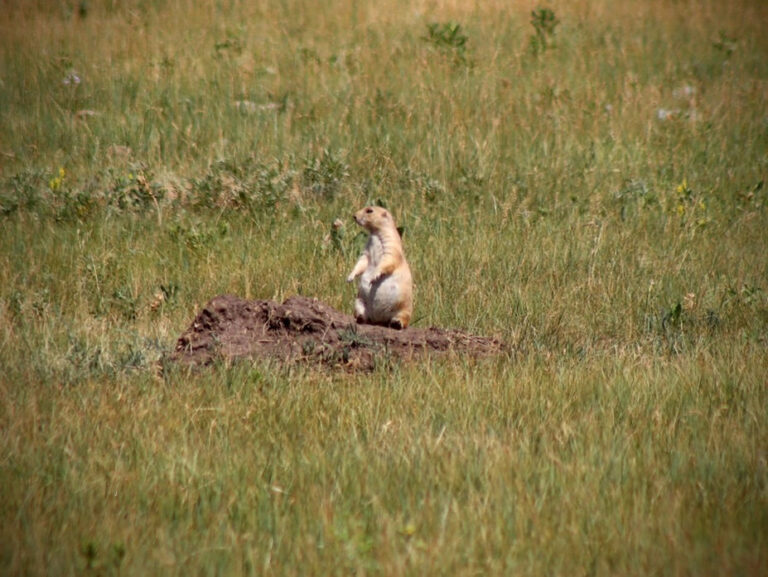
Wind Cave protects rolling grasslands where bison, pronghorn, elk, prairie dogs, and coyotes roam freely. It feels wild in a way that surprises many visitors, especially those expecting a quick cave stop.
Driving the park’s scenic roads often results in wildlife encounters without crowds. Walking the prairie trails gives you a sense of scale and silence that’s increasingly rare.
This landscape isn’t just beautiful. It’s ecologically critical, representing a living snapshot of what much of the Great Plains once looked like.
Cultural Significance and Sacred History
Long before Wind Cave became a national park, it was a sacred site to the Lakota people, who know it as Maka Oniye, meaning “the cave that breathes.”
According to Lakota tradition, Wind Cave is the place where their people first emerged onto the Earth. That origin story still carries deep spiritual significance today.
Visiting Wind Cave with awareness means recognizing that this isn’t just a geological attraction. It’s a place layered with meaning, memory, and responsibility. Respecting the land, staying on trails, and approaching the experience with humility matter here.
When to Visit Wind Cave National Park
Timing can dramatically shape your experience at Wind Cave. Here are some Seasonal Travel Tips
Spring brings wildlife activity and fresh prairie growth
Summer offers full tour availability but higher visitation
Fall provides cooler temperatures, fewer crowds, and golden grasslands
Winter limits cave tours but delivers solitude and stark beauty
If you’re building a broader Black Hills itinerary, Wind Cave pairs naturally with Custer State Park, Hot Springs, and scenic drives through the southern Hills. My XO Adventures offers a Black Hills Wildlife Tour that focuses on the natural and is a popular choice.
Planning Tips That Make a Real Difference
This Ultimate Wind Cave Adventure Guide isn’t just about inspiration. It’s about helping you plan wisely with Travel Tips.
A few things that genuinely improve the experience:
-
Wear sturdy shoes for cave stairs and uneven surfaces
-
Bring layers even on warm days
-
Allow time above ground, not just underground
-
Be flexible if tours fill up and adjust plans accordingly
Wind Cave rewards patience and curiosity more than speed.
How Wind Cave Fits Into a Deeper Black Hills Experience
Wind Cave isn’t a checkbox stop. It’s part of a bigger story that includes prairie conservation, Indigenous history, and intentional travel.
Visitors who rush through often miss what makes it special. Those who slow down usually leave with a deeper appreciation for the Black Hills as a whole.
This is one of the reasons Wind Cave fits naturally into private, thoughtfully paced itineraries that balance education, space, and connection.
A Thoughtful Way to Experience Wind Cave and Beyond
Wind Cave National Park doesn’t shout for attention. It doesn’t rely on spectacle. It invites you to listen, notice, and reflect.
If you’re planning a Black Hills journey and want Wind Cave to be more than just another stop, it helps to approach it with guidance, context, and intention. When paired with nearby landscapes and stories, it becomes part of a much richer experience.
This Ultimate Wind Cave Adventure Guide is meant to help you see the park not as a footnote, but as a cornerstone of the southern Black Hills.
FAQ: Ultimate Wind Cave Adventure Guide
Wind Cave is one of the most unique cave systems on Earth — known for its rare boxwork formations, rich ecology, and deep cultural history. This FAQ helps you understand what to expect, how to prepare, and how to make the most of your visit, whether you’re exploring independently or considering a guided tour.
What makes Wind Cave different from other caves?
Wind Cave is known for its intricate boxwork formations — rare lattice-like patterns of calcite — and a network of passages shaped by wind and water. It’s less about large chambers and more about subtle, delicate features you won’t find in many other caves.
Do I need special gear to visit Wind Cave?
For most tours and visits, no special gear is required. Wear sturdy shoes with good traction, dress in layers (cave temperatures are cool year-round), and bring a light jacket or fleece.
How cold is Wind Cave inside?
The cave maintains a fairly steady temperature in the 40s °F (around 4–8°C), so a warm layer is comfortable even in summer.
Are parts of Wind Cave accessible without a guided tour?
Some areas are accessible via designated tours led by park rangers or guides. Self-guided access is limited to certain parts — check the park’s current tour options when you plan your visit.
What should I know about cave safety?
Watch your footing, stay with your group, and follow all guidance from your guide or ranger. Some passages can be narrow or uneven, so take your time and focus on steady movement.
Can I take photos inside the cave?
Yes, but flash photography can disturb other visitors and affect your night vision. Use a steady stance, avoid bright lights near sensitive formations, and respect any posted restrictions.
How crowded does Wind Cave get?
Popular tours fill up, especially in summer and midday. Booking ahead or choosing early or later tours can reduce crowding.
Are there wildlife or natural features to see outside the cave?
Yes — Wind Cave National Park also has rolling prairies, bison herds, prairie dogs, and scenic overlooks just outside the cave entrance.
Bringing It All Together at Wind Cave
Wind Cave National Park isn’t a quick stop. It’s a place that asks you to slow down, pay attention, and let the land explain itself. From the quiet complexity beneath the surface to the open prairie above, this park offers a layered understanding of the Black Hills that many travelers miss when they rush from landmark to landmark. Taking the time here adds context to everything else you’ll see in the region, from Custer State Park scenic drives to the deeper cultural meaning found throughout Lakota heritage of the Black Hills.
Planning your visit thoughtfully makes all the difference. Understanding tour availability, seasonal conditions, and how Wind Cave fits into a larger Black Hills itinerary helps you avoid stress and make better use of your time. Many travelers pair Wind Cave with nearby destinations like Custer State Park, southern Black Hills day trips, or a wildlife-focused route that brings the landscape into sharper focus rather than trying to see everything at once.
If you’re looking for a more personal, grounded way to explore this part of South Dakota, private Black Hills tours from Rapid City can take the pressure off planning while adding depth and local insight. Wind Cave works best when it’s part of a well-paced day that respects both the land and your energy. However you choose to explore it, this park has a way of staying with you long after you leave, quietly reshaping how you see the Black Hills as a whole.