The Waterfalls In Spearfish Canyon
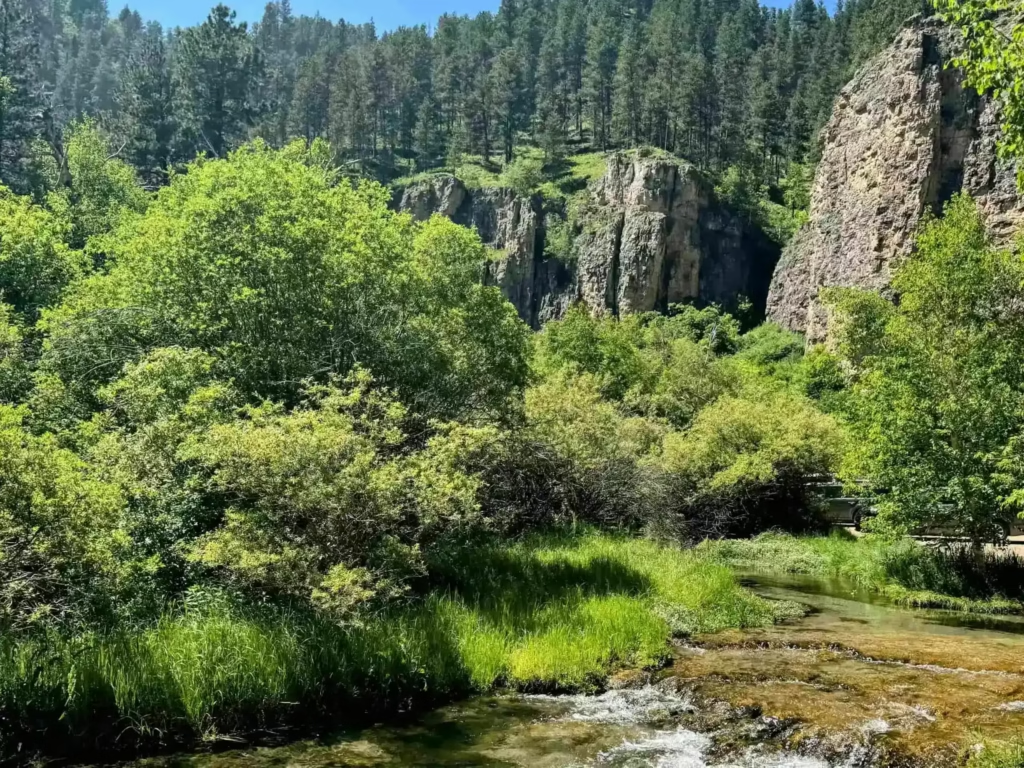
Spearfish Canyon is not simply a scenic drive through the northern Black Hills. It is a living system shaped by water, stone, climate, and time. The waterfalls of Spearfish Canyon are the most visible expression of that story. They appear suddenly along canyon walls, spill through forested ravines, and change character with every season.
Water has always been the quiet architect here. Over millions of years, streams exploited fractures in ancient limestone, carving steep walls and narrow corridors. Today, those same processes create some of the most iconic waterfalls in South Dakota. Visiting them is not just about viewing a cascade. It is about understanding how landscape, ecology, and deep time intersect.
This guide explores the three primary waterfalls of Spearfish Canyon and explains why they exist, how they change through the year, and how to experience them with care and intention.
Why Waterfalls Exist in Spearfish Canyon
The waterfalls of Spearfish Canyon owe their existence to Mississippian age limestone that formed when this region sat beneath a shallow sea. Limestone dissolves slowly in the presence of slightly acidic water. Over immense spans of time, flowing water enlarged cracks, weakened ledges, and undercut cliff faces.
As streams descended through the canyon, they created natural drop points where harder rock layers resisted erosion longer than softer layers beneath. Gravity did the rest.
Iron rich minerals within the rock oxidized as they were exposed, staining canyon walls with warm reds and oranges. These colors glow at sunrise and sunset, adding another layer of beauty that most visitors notice without knowing its origin.
Understanding this geology transforms a simple stop into something deeper. You are not just looking at a waterfall. You are witnessing a process that began long before humans arrived in the Black Hills.
Spearfish Falls
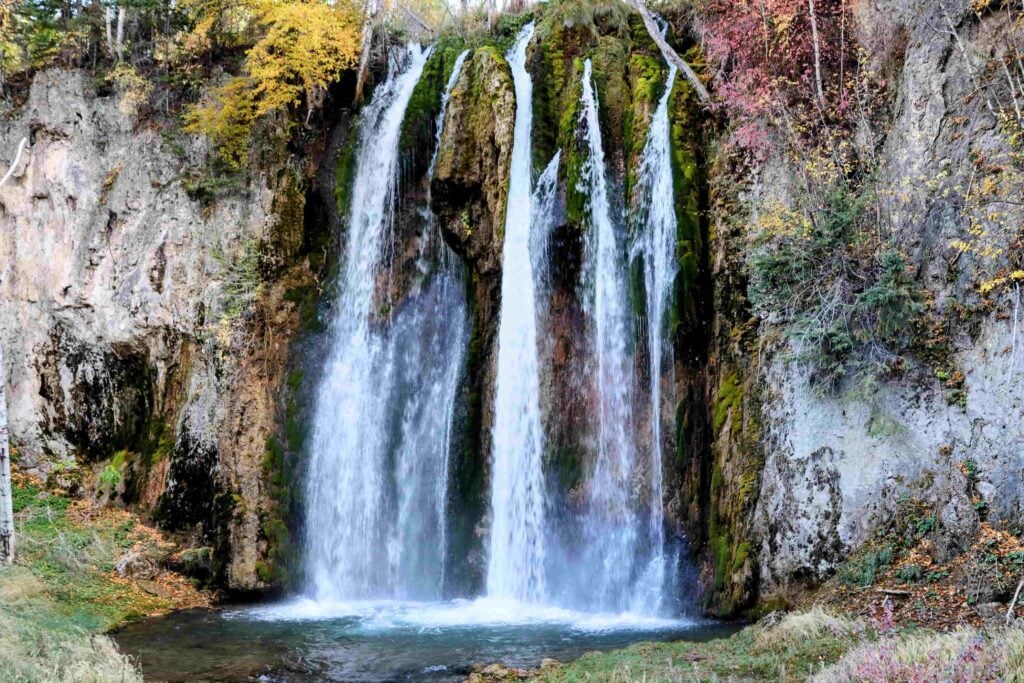

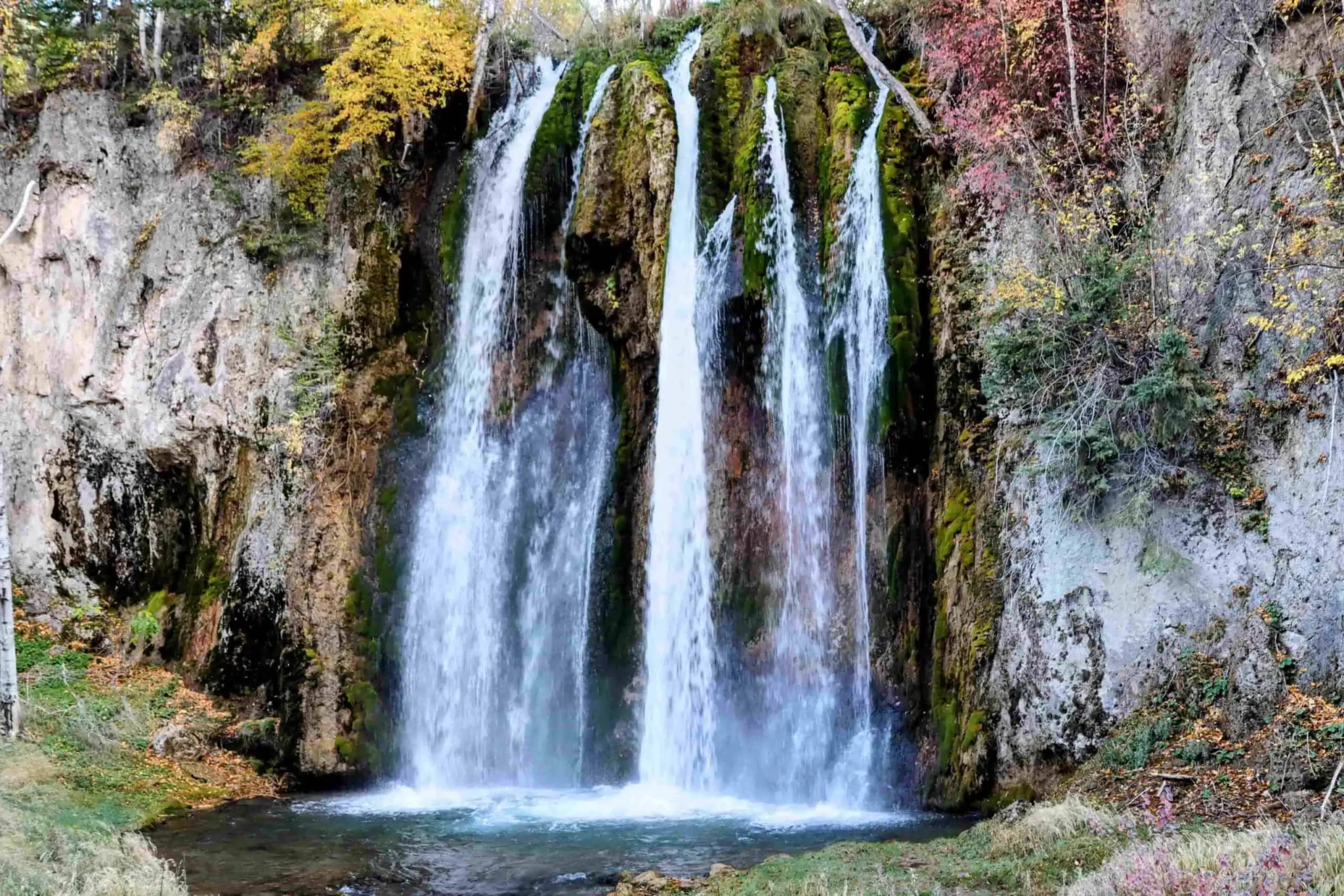
Spearfish Falls is the most dramatic of the canyon’s waterfalls, and the one most people recognize immediately. Located just off Highway 14A near the historic Spearfish Canyon Lodge, the falls plunge roughly 100 feet into a shaded basin below.
In spring, snowmelt from higher elevations feeds the creek, turning the falls into a roaring white curtain. The sound alone fills the canyon. During summer, flow softens but remains steady, creating a peaceful rhythm that pairs beautifully with birdsong and wind through the trees.
Autumn brings one of the most striking scenes in the Black Hills. Cottonwoods and aspens frame the waterfall in gold, contrasting sharply with mossy limestone and dark conifers. Winter transforms the scene entirely, with ice forming sculptural patterns along the cliff face while water continues to move beneath.
A short, accessible path leads to a viewing platform, making Spearfish Falls one of the most approachable waterfall experiences in South Dakota.
Roughlock Falls

Roughlock Falls offers a different experience entirely. Rather than one dramatic plunge, this area features a series of cascading drops along Little Spearfish Creek. The setting feels enclosed and intimate, surrounded by dense forest and steep canyon walls.
A well-maintained trail system allows visitors to explore multiple viewpoints. The loop is gentle and immersive, following the creek as it steps down through limestone shelves. Ferns, mosses, and moisture-loving plants thrive here, creating a cool microclimate even on warm days.
Wildlife is often present. Deer move quietly through the trees, birds gather near water, and bighorn sheep are sometimes seen navigating nearby cliffs.
In winter, Roughlock Falls becomes especially striking. Ice builds in layers along the cascades, forming frozen staircases and delicate curtains that shift with light and temperature.
This area rewards patience. Slow walking and frequent pauses reveal details many people miss.
Bridal Veil Falls


Bridal Veil Falls may be the smallest of the three main waterfalls, but it leaves a lasting impression. Water spills gently over a scalloped limestone ledge, creating a thin veil that catches light beautifully.
The falls are easily accessible from the road, making them a favorite stop for travelers exploring Spearfish Canyon by car. Because of its delicate flow, Bridal Veil Falls changes dramatically with conditions. After heavy rain or spring melt, it becomes more energetic. During dry periods, it thins into a quiet ribbon.
Winter brings one of the most visually intriguing transformations. Ice forms in fine strands and layers, clinging to the rock face in intricate patterns that resemble lace.
Bridal Veil Falls demonstrates that scale does not determine impact. Subtle beauty often lingers longest.
Seasonal Changes and Living Ecology

The waterfalls of Spearfish Canyon are never static. Each season reshapes them physically and emotionally.
Spring delivers power and sound as meltwater surges through the canyon. Summer brings cooler air near water, vibrant moss, and a steady flow ideal for quiet reflection. Fall introduces color and contrast as deciduous trees ignite against pale stone. Winter freezes motion into form, revealing structure normally hidden by flow.
These changes support a rich ecosystem. Moist canyon walls host rare plants adapted to shaded limestone environments. Birds use the corridor as a migratory pathway. Large mammals rely on the canyon for water and shelter during harsh weather.
Every visit reveals a different version of the same place.
Traveling Through Spearfish Canyon With Intention
Spearfish Canyon invites slow travel. Pullouts are frequent, but the real reward comes from staying longer, walking gently, and listening.
Responsible travel protects fragile ecosystems and preserves the quiet character that makes this place special. Staying on trails, respecting wildlife, and limiting noise allows the canyon to remain what it is.
At My XO Adventures, experiences are built around connection rather than consumption. Small group and private tours create space for curiosity, conversation, and presence. Stories of Geology, Ecology, and Indigenous History add context without overwhelming the moment.
This approach turns sightseeing into understanding.
Planning Your Visit
Spearfish Canyon is accessible year round, but conditions vary. Weather changes quickly in the Black Hills, especially in winter. Road conditions and waterfall flow depend on temperature and precipitation.
Early mornings and weekdays offer the quietest experiences. Sunrise and late afternoon provide the best light for Photography and observation. Guided experiences remove the stress of logistics and add depth through local knowledge. They allow you to focus on the landscape rather than navigation.
Experience the Waterfalls With My XO Adventures
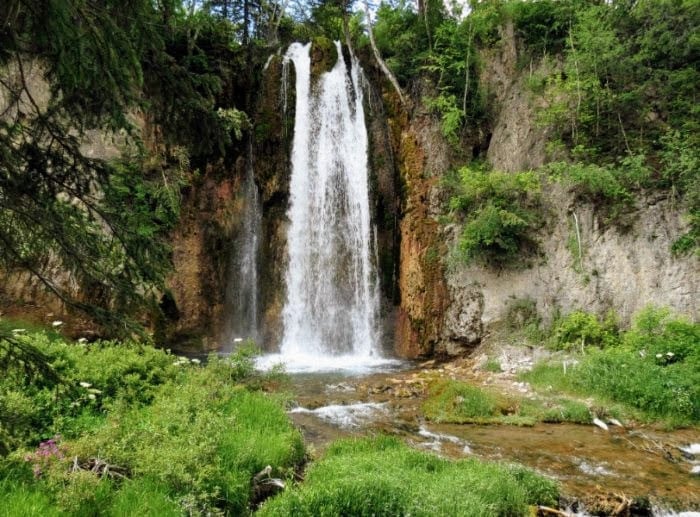
The waterfalls of Spearfish Canyon are not just destinations. They are expressions of time, water, and place. Experiencing them fully means slowing down enough to notice details and stories woven into stone and stream.
Join My XO Adventures for a private journey through Spearfish Canyon and the greater Black Hills. Explore waterfalls, learn the land’s deeper history, and experience travel rooted in respect and connection.
Slow down and experience the waterfalls of Spearfish Canyon with a guide who knows the land and honors its stories. Book your private Black Hills Experience with My XO Adventures today.
Additional Resources
The following resources offer deeper, authoritative insight into the geology, hydrology, ecology, land management, and cultural history that shape the waterfalls of Spearfish Canyon.
U.S. Bureau of Reclamation
Background on watershed behavior, surface water systems, and long-term water movement in western landscapes
National Cave and Karst Research Institute
Scientific explanations of limestone, karst systems, and dissolution processes that directly relate to canyon and waterfall formation
Spearfish Canyon Conservation Foundation
Funded by the Homestake Mining Company, the Spearfish Conservation Foundation promotes education and research into all habitat subjects of Spearfish Canyon.
University of Nebraska–Lincoln Conservation and Survey Division
Regional geological research relevant to the northern Great Plains and adjacent uplifted formations, like the Black Hills
South Dakota’s Conservation Districts
Helping communities across South Dakota care for their natural resources.
Indigenous Environmental Network
Context on Indigenous relationships with land, water, and stewardship that informs a deeper understanding of place
Leave No Trace Center for Outdoor Ethics
Science-based guidance on responsible recreation and protecting sensitive canyon and riparian environments.
Frequently Asked Questions About the Waterfalls In Spearfish Canyon
About The Author
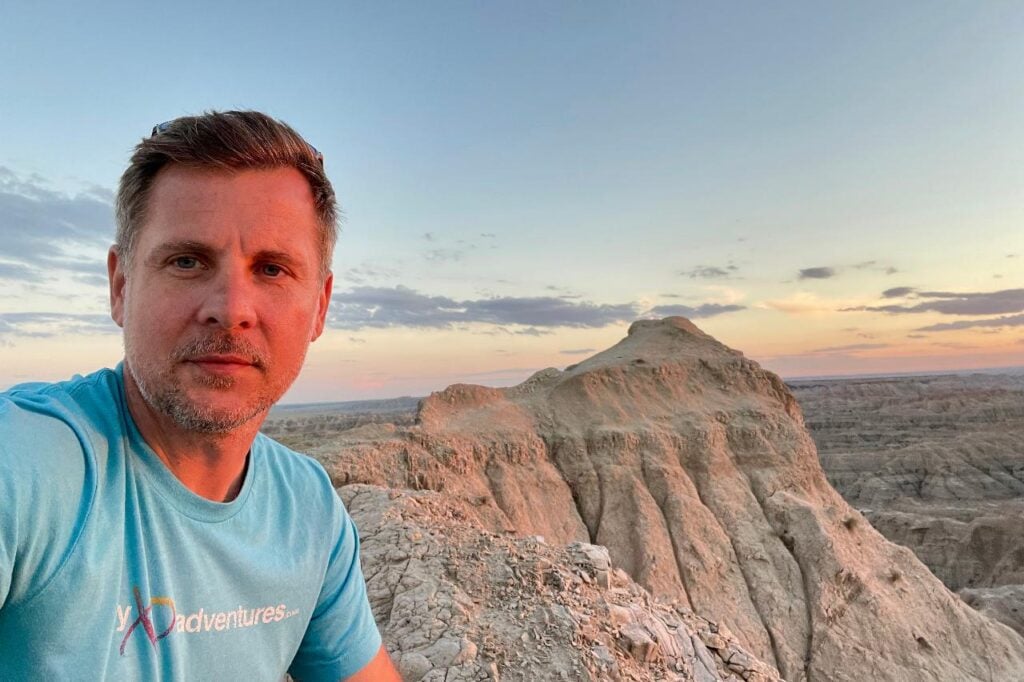
Daniel Milks is the owner and lead guide of My XO Adventures, a Black Hills based tour company dedicated to meaningful, place centered travel. With years of on the ground experience guiding guests through the Black Hills and Badlands, Daniel brings together geology, ecology, regional history, and human story in a way that helps people truly understand the land they are standing on.
His approach to guiding is rooted in slowing down. Rather than rushing from overlook to overlook, Daniel focuses on helping guests see patterns in the landscape, understand how water and stone interact over deep time, and recognize how seasonal changes shape everything from waterfalls to wildlife behavior. His background in history, nature, and environmental observation allows him to translate complex systems into clear, engaging insights that stay with travelers long after the tour ends.
Daniel believes the Black Hills are best experienced through curiosity, respect, and presence. His tours emphasize responsible travel, local knowledge, and genuine connection, creating experiences that feel personal, thoughtful, and grounded in place. Through My XO Adventures, he aims to help visitors move beyond surface-level sightseeing and develop a deeper relationship with one of North America’s most complex and beautiful landscapes. Exploring scenic trails in the Black Hills allows adventurers to immerse themselves in the diverse ecosystems and stunning vistas that define the region. Each path reveals unique stories of the land, encouraging travelers to reflect on its historical significance and natural beauty. As they navigate these routes, visitors often find themselves transformed by the serenity and majesty that the Black Hills offer.
Learn more about Daniel Milks and the guiding philosophy behind My XO Adventures