Daniel Milks is the founder of My XO Adventures and a longtime travel professional with deep expertise in South Dakota and the Northern Black Hills. Through personal storytelling and local insight, he creates small group and private tours that help guests experience the region beyond the typical visitor stops.
An Hour From Rapid City: Camping in Badlands National Park
This morning I woke up “Out West” in a little primitive, but beautiful campground in the Badlands National Park called Sage Creek. I wake up to the chirping of birds and memories of entering the park. Recalling the first time I saw live Bison, up close and personal. My feelings were of excitement, wonder, respect, and genuine fear. This was a majestic beast, two words put together that never before defined anything I’ve witnessed.Untamed, unknown, unpredictable, roaming free and gigantic. I wouldn’t dare get out of Vannah (my vehicle) as thoughts of being charged came to mind. I thought, Am I far enough away? Should I roll down the window? Is this real? Will insurance cover vehicle damage? Should I wait for them to move? Do I inch closer? Why won’t they move? Are they toying with me?
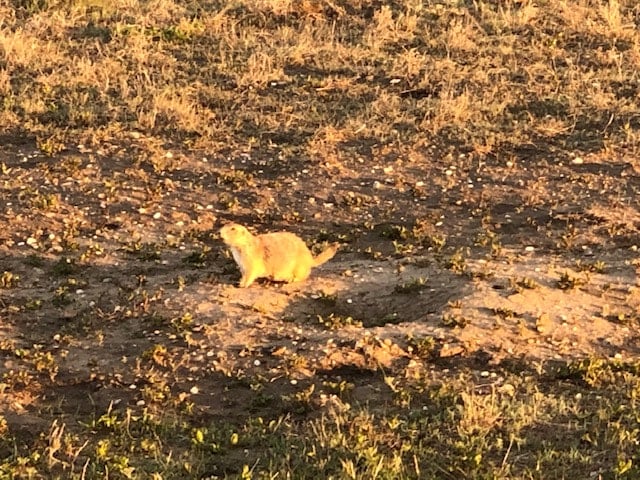
It was a first, and I love those moments. After staring, it occurred to me to share this moment, so I went live. Maybe this would be my last moment! Just a few feet from my van I passed, windows down I get close. Their winter coats are shedding, their breath steaming in the air and their horns, not eyes are what I’m focusing on. All the while in this semi-terrified and awe-inspired moment, little prairie dogs run, jump, stand straight up, and bark. No big deal to them, being quick and close to their underground burrows, these chubby, playful natives are in stark contrast to the big and bold Bison of South Dakota.
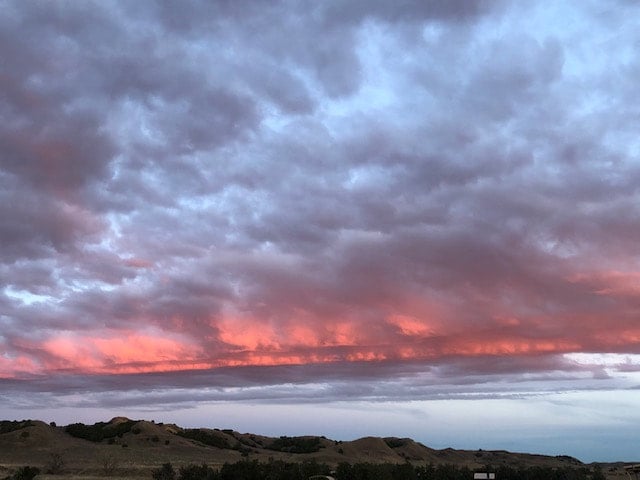
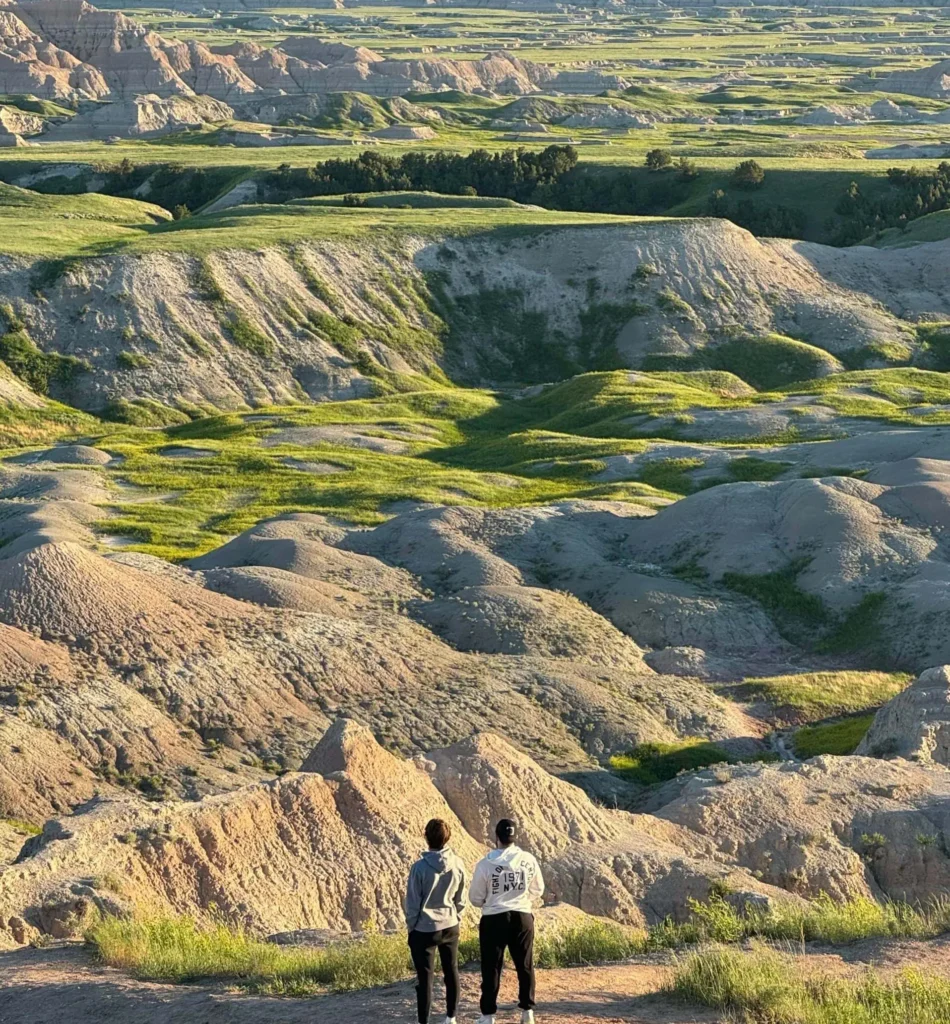
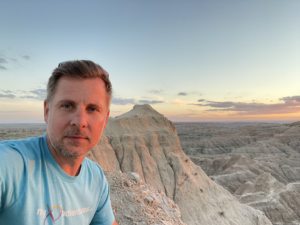
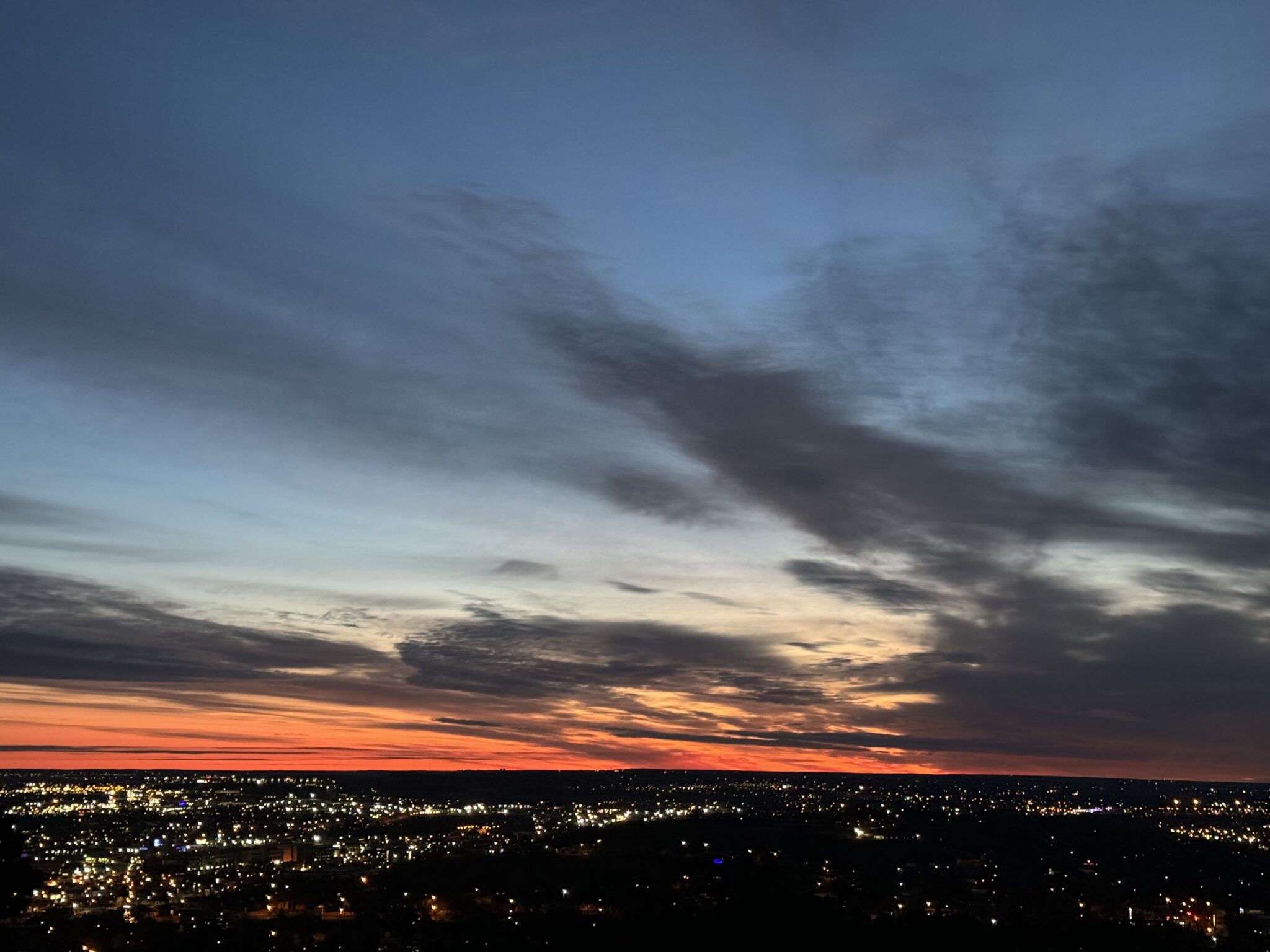
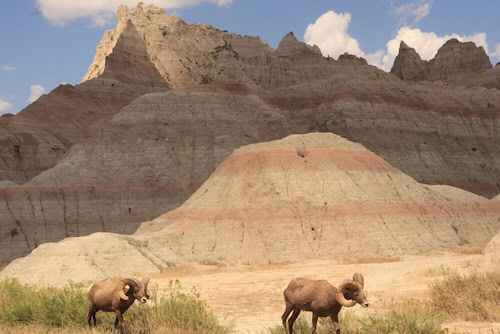
I made it to the campground before dark, even after exercising patience with multiple bison in the road. A beautiful landscape surrounds me. Ancient weathered peaks of soft eroded conical mounds the Badlands change colors with the sun setting in the distance. I’m finally here. I made it to the truly Wild West.
Little did I know that a year later, I would have relocated to South Dakota to offer tours of the Black Hills and Badlands through My XO Adventures.
I had no idea at that moment that my life was about to begin and take off from this very location.
Rapid City and Living in the Wild West
Rapid City sits at the edge of the Black Hills like a crossroads between the present day and a living version of the Wild West. Modern streets, local shops, and creative restaurants blend with stories of frontier life, Lakota homelands, gold rush dreams, and the natural world that shaped every chapter along the way. People often imagine the Wild West as something long gone, but in Rapid City, it continues to move through daily life in subtle, layered ways that make the city stand apart from anywhere else in the country.
The history of Rapid City began in 1876 when a group of settlers from Iowa established a small community along Rapid Creek. The name came from the fast-moving water that still winds through the heart of town. Those early builders wanted a gateway to the Black Hills, hoping to profit from the gold rush that had already transformed places like Deadwood. The community grew with lumber mills, general stores, and the steady arrival of people searching for new opportunities. What they found was a rugged environment that demanded resilience and rewarded hard work. That spirit has never entirely left.
Walking through downtown Rapid City today, you can feel that mixture of heritage and renewal. Statues of presidents line the sidewalks, each one telling a small story about leadership and the nation’s past. Art galleries showcase modern Lakota artists who continue traditions that stretch back countless generations. Murals brighten brick walls. Local businesses carry everything from handcrafted goods to Western wear. Even with these modern touches, the city keeps part of its frontier character alive in its pace, its people, and its ties to the land.
Living in the Wild West meant living close to the natural world. That is still true in Rapid City. Drive in any direction, and the prairie, the Black Hills, or the open sky appear almost instantly. The city is surrounded by landscapes that shaped the Lakota’s identities long before the arrival of settlers. Hills covered with Ponderosa pine, granite formations, deep canyons, and high meadow plateaus create a sense of shelter and strength. These lands were and remain sacred to the Lakota people, who call the region Paha Sapa, the Heart of All Things. That name carries more meaning than any map can show. It speaks to the connection between people, nature, and spirit that continues to this day.
People living in Rapid City still encounter wildlife on the edges of town. Deer wander through neighborhoods with quiet confidence. Wild turkeys strut across lawns. Hawks perch on lampposts. Mountain lions slip through the canyons around the city, rarely seen but always present. These are reminders that the line between community and wilderness is thin. This closeness to nature is part of why so many people fall in love with Rapid City. It creates a daily rhythm that feels grounded and connected.
The Wild West was also a place of stories, and Rapid City carries countless tales of adventure, struggle, triumph, and heartbreak. Calamity Jane traveled through the region, known for her bold personality and complicated life. Wild Bill Hickok left his mark in Deadwood to the west, and his story continues to shape the identity of the Black Hills. Prospectors, outlaws, cowboys, soldiers, homesteaders, and explorers all passed through Rapid City, leaving behind legends that blend fact and folklore. Modern life may be more comfortable, but the fascination with these characters remains strong.
Lakota history is far older and deeper, and Rapid City provides a connection to that living heritage as well. The Black Hills were, and continue to be, the spiritual center of the Lakota world. Stories passed down through generations speak of the creation of the people, the importance of balance, and the need to care for the land. Living in Rapid City means living near places like Bear Butte, Wind Cave, and Black Elk Peak, all of which hold profound cultural significance. These stories enrich the region far beyond the frontier narratives that many visitors already know.
The Wild West spirit shows up in Rapid City’s community as well. There is a genuine sense of neighborliness. People look out for one another, support local businesses, and gather for festivals, rodeos, and outdoor concerts. Farmers’ markets bring fresh produce and handmade goods into town. Artists, musicians, and storytellers share their gifts freely. This openness feels like a tribute to the old frontier need for cooperation and courage, but with a modern sense of creativity and connection.
Living in Rapid City also means embracing the seasons fully. Winter can be cold and quiet, with snow settling across the hills like a soft blanket. Spring brings new life, and the Pasque Flower rises as one of the first signs that the land is waking up again. Summer fills the parks and lakes with activity, while warm evenings in the Black Hills offer some of the year’s most peaceful moments. In autumn, the hills shift into a palette of gold and bronze as the air cools and the pace slows. Each season brings its own gifts and asks people to adapt, just as the original settlers once did.
Modern conveniences blend seamlessly with this Wild West character. Rapid City has a growing food scene, breweries, art spaces, family attractions, and well-loved local shops. Visitors often find that the city has a calm, welcoming charm that feels both contemporary and rooted in tradition. People who move here feel drawn to the balance between city life and quiet wilderness, between community and solitude, between history and possibility.
The influence of the Wild West is not a performance here. It is a living thread woven into the region’s identity. It shapes conversations, traditions, values, and the rhythm of everyday life. Rapid City carries that heritage with humility and pride. It acknowledges the past, honors the cultures that came long before settlers, and continues to grow toward the future.
For travelers looking to understand the modern West, Rapid City is a natural place to begin. The museums, parks, historic sites, and guided tours provide countless ways to learn, listen, and connect. For locals, the city remains a home shaped by stories that continue to unfold. Living in the Wild West may look different from how it did 150 years ago, but the heart of it is still here. It lives in the land. It lives in the people. And it lives in the steady onward movement of a place that carries history with grace.

 Untamed, unknown, unpredictable, roaming free and gigantic. I wouldn’t dare get out of Vannah (my vehicle) as thoughts of being charged came to mind. I thought, Am I far enough away? Should I roll down the window? Is this real? Will insurance cover vehicle damage? Should I wait for them to move? Do I inch closer? Why won’t they move? Are they toying with me?