

What Makes the Black Hills Black? - Ponderosa Pine!

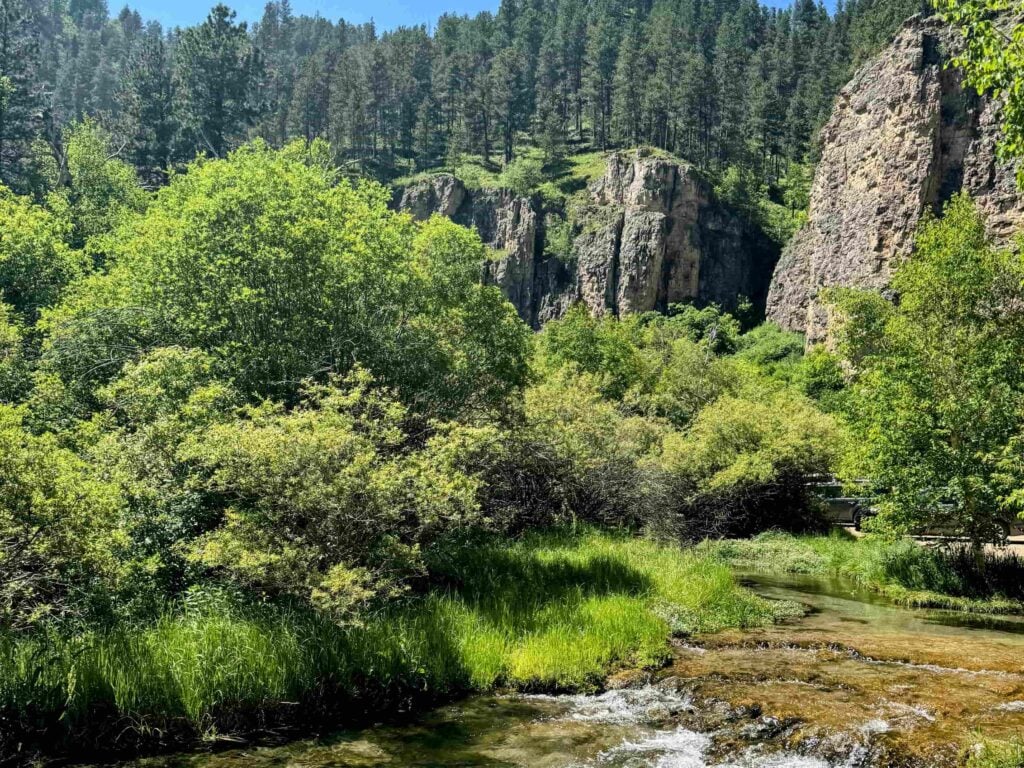
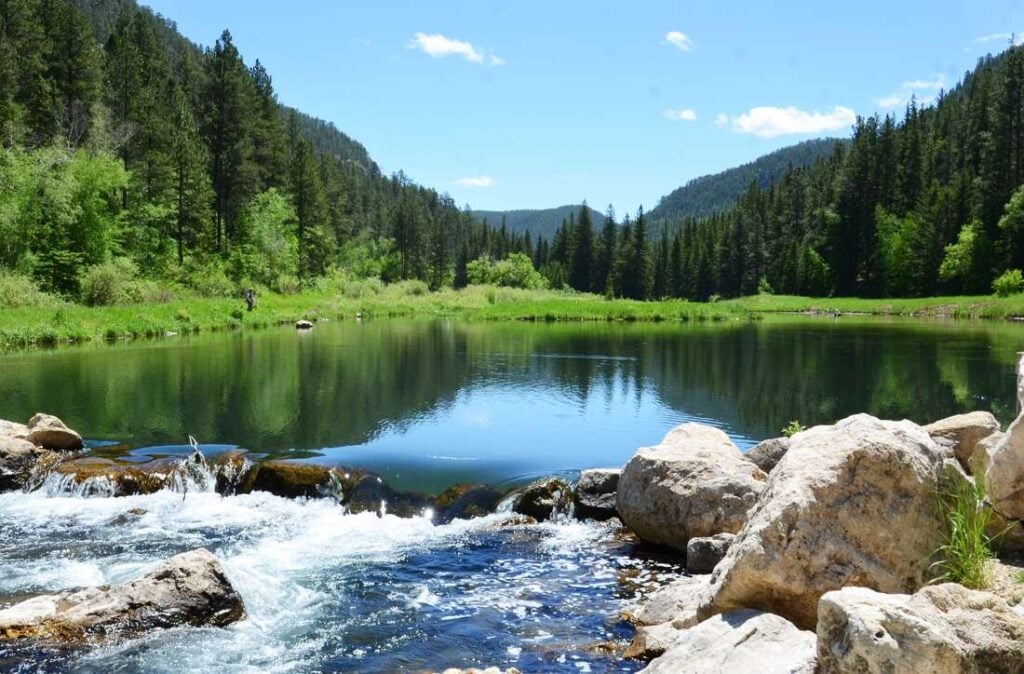
The Mighty Ponderosa Pine. It’s the dominant tree of the Black Hills National Forest. It’s what makes the Black Hills, well, black. Other species thrive here, like the Quaking Aspen, named after the way their leaves shimmer in the breeze, but nothing dominates like the Ponderosa. The Black Hills are filled with this pine, but at one time, this wasn’t the case. Tinkering with nature, even with good intentions, has its consequences.
Looking at photos from 1878 compared to 1978 shows a dramatic increase in the Ponderosa population. It’s due to forestry management and fire prevention. Traveling through the forest on Iron Mountain Road, you might notice slash piles, dead timber piled in neat little cone-shaped mounds. These slash piles are burned each winter when snow is present to rid the forest of the “fuel” it accumulates over the years. As a result, less fire = more pine. Ironically, this creates a situation where a forest fire can spread from one tree to another fairly easily.
Another result of this management is that the 1300 streams that descend from the mountains are severely impacted. The Ponderosa canvas captures a good portion of the rain, and the trees are drawing more water from the water table than ever before. Since discovering this, the Forest Service has begun thinning the trees. While it seems like a good idea, this may also have other unintended consequences.
The Lakota lived in harmony with nature, and as time goes by, we’re finding that this is the best way. Lakota and earlier indigenous peoples of the area used the pines for a variety of purposes. The inner bark provided sweetness and carbohydrates, which were essential for survival in a mostly meat-eating culture.
Other uses are medicinal, such as remedies for bruises, eye sores, and deodorant. You can still find older pines (some up to 700 years old) with bark-harvesting scars. These are usually rectangular, approximately 3 feet high by about 10 inches wide. This harvesting method prevented the tree from dying and provided a sustainable source of food. Visit Norbeck Overlook on Iron Mountain Road, and you’ll see one of the Ponderosas with a large scar. Smell the exposed wood, and you’ll notice essences of malt, vanilla, chocolate, butterscotch, and even strawberry. Just don’t get a splinter.
Ponderosa wasn’t always the dominant species in the Black Hills. Lodgepole and Limber Pine were plentiful in this area, and small relict forests still exist. Limber Pine, named for its flexibility, can be found near the Cathedral Spires. The trailhead talks about their significance. Lodgepole is in the Northern Hills, near Rochford, a fun place to stop while riding the Mickelson Trail on bikes.
Funny how a single tree can be so crucial to the area, and help shape it into what it is today. Visit Rapid City and the Black Hills to learn about this sacred area and what makes it so special. Special enough to call my home.