
Wildlife, Scenic Drives, Granite Spires, and One of America’s Great State Parks
Custer State Park is one of the most remarkable landscapes in the Black Hills of South Dakota. Spanning more than 71,000 acres, the park combines open prairie, granite spires, mountain lakes, and winding scenic drives into a single destination. Visitors come here to experience free roaming bison herds, explore iconic drives like Wildlife Loop Road and Needles Highway, hike among cathedral like granite formations, and discover quiet alpine lakes such as Sylvan Lake. Whether you’re interested in wildlife viewing, photography, hiking, or simply experiencing the beauty of the Black Hills, Custer State Park offers one of the most diverse outdoor experiences in the region.


Custer State Park is often considered the heart of outdoor recreation in the Black Hills. Established in 1912, the park protects a large portion of the region’s diverse landscape, where rolling prairie meets rugged granite mountains and forested valleys. Its size alone makes it unique. At more than 71,000 acres, it is one of the largest state parks in the United States.
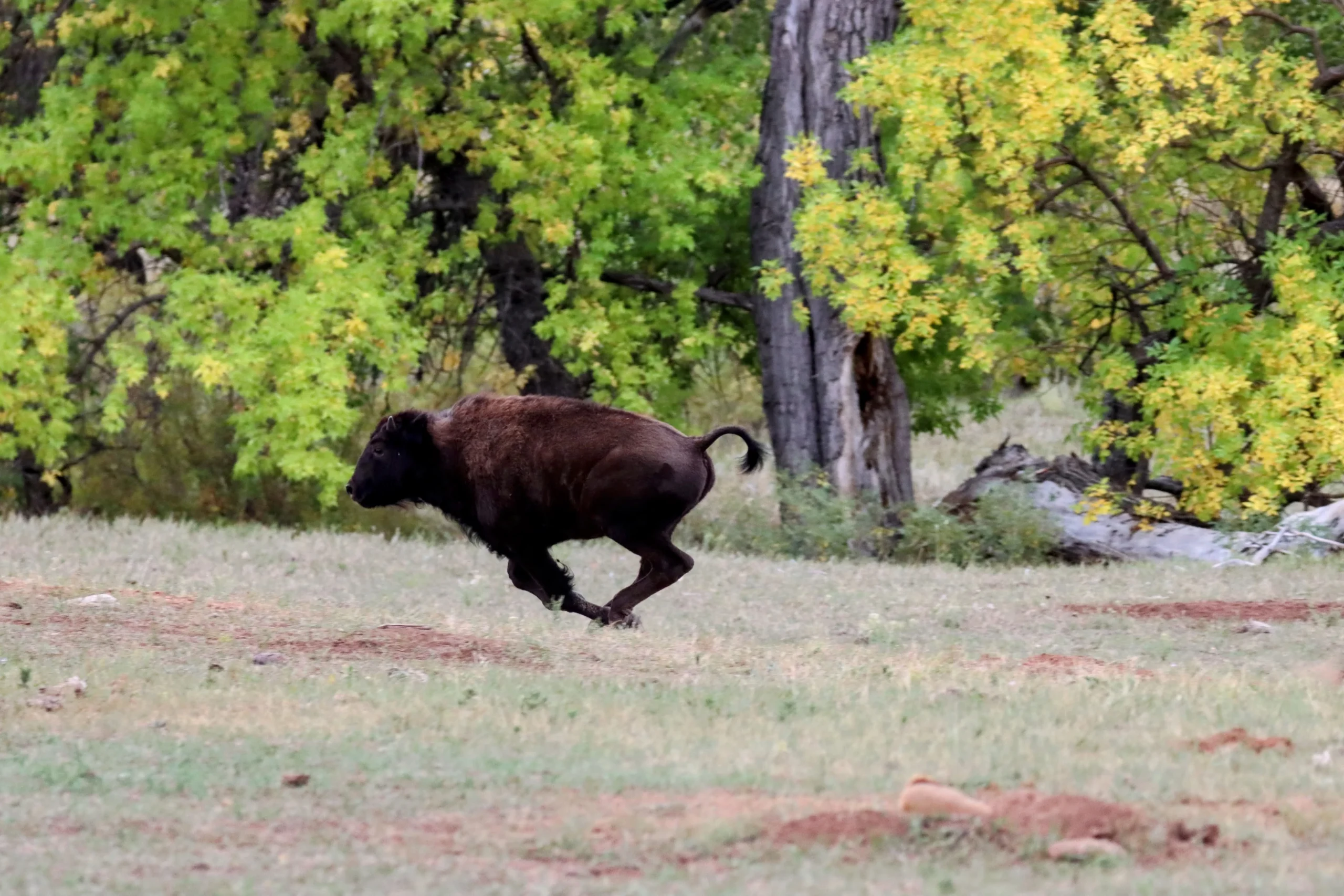
The park is best known for its wildlife. One of the largest publicly managed bison herds in the world roams freely across the grasslands, and visitors regularly encounter pronghorn, bighorn sheep, elk, coyotes, prairie dogs, and wild burros. This abundance of wildlife is one of the main reasons the park attracts visitors from across the country.
Equally impressive are the park’s scenic drives. Roads such as Wildlife Loop Road, Needles Highway, and Iron Mountain Road offer some of the most memorable driving experiences in the Black Hills. These routes wind through granite formations, narrow tunnels, wildlife rich valleys, and panoramic overlooks. In addition to the breathtaking drives, the Black Hills provide plenty of opportunities for outdoor adventures in the Black Hills. Whether it’s hiking to the summit of Harney Peak or exploring the many trails perfect for mountain biking, there is something for everyone. Visitors can immerse themselves in the beauty of nature while discovering the rich history of the area. Many visitors come with misconceptions about the black hills, often thinking of them solely as a summer destination. However, the region offers stunning beauty throughout the year, with vibrant fall foliage and winter activities like snowshoeing and skiing. Each season reveals new aspects of the landscape, ensuring that the Black Hills remain a captivating destination no matter when you visit.
Custer State Park also offers an incredible variety of outdoor activities. Visitors can hike to the summit of Black Elk Peak, paddle on Sylvan Lake, climb granite spires, photograph wildlife, or simply enjoy the quiet beauty of the surrounding landscape.
For many travelers exploring the Black Hills, Custer State Park becomes the highlight of their trip.


Wildlife is one of the biggest reasons visitors come to Custer State Park. The park protects one of the most diverse wildlife populations in the Black Hills, and seeing animals in their natural habitat is often the highlight of a visit.
The most famous residents are the American bison. Custer State Park manages one of the largest publicly maintained bison herds in the world. Between 1,000 and 1,500 bison roam the grasslands throughout the park. These massive animals can often be seen grazing near Wildlife Loop Road or crossing the road in slow moving herds. Watching a group of bison move across the prairie is one of the most memorable experiences in the Black Hills.
Wildlife Loop Road is the best place to see many of the park’s animals. Along this scenic drive, visitors frequently encounter pronghorn antelope, prairie dogs, wild burros, and sometimes elk. The prairie dog towns scattered across the prairie are especially entertaining. These small animals are constantly popping up from their burrows, chirping warnings, and watching visitors from a safe distance.
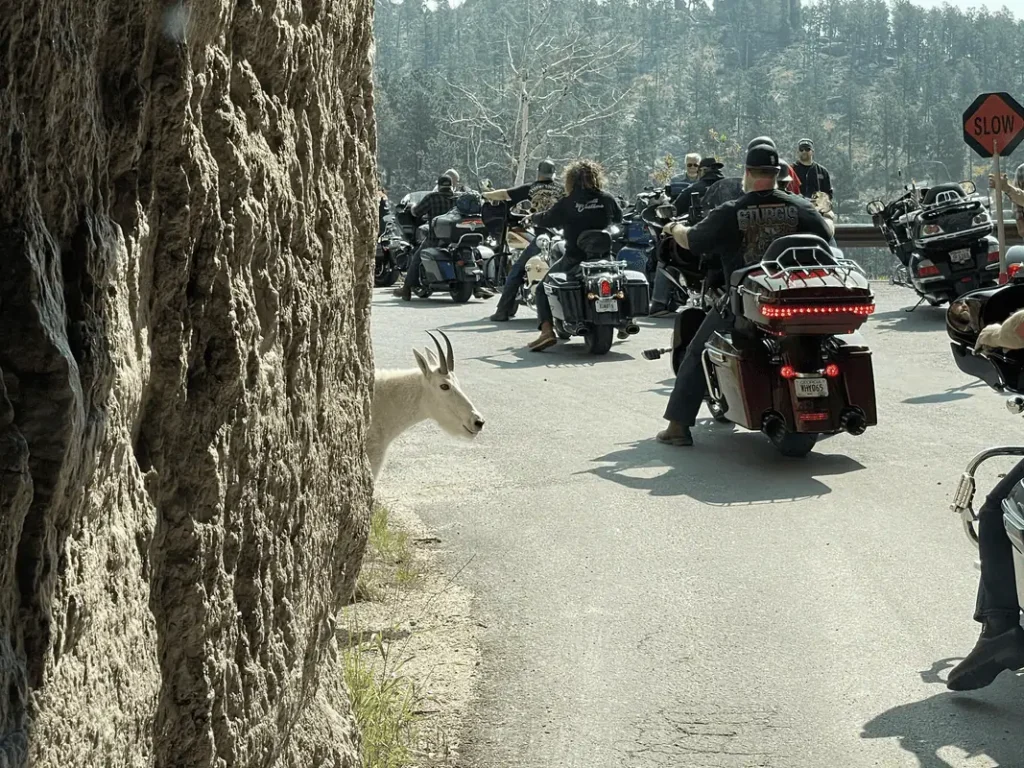
Bighorn sheep are another incredible animal to watch for. They are most often found in the rocky terrain near the granite formations along Needles Highway and in other steep areas of the park. Their ability to move easily across cliffs and rocky slopes makes them fascinating to observe.


Timing makes a big difference when looking for wildlife. Early morning and late afternoon are usually the best times to see animals actively moving and feeding. Midday can be quieter, especially during the warmer summer months.
If you encounter wildlife, it’s important to give animals plenty of space. Bison in particular may appear calm, but they are powerful wild animals that can move quickly when they feel threatened. Viewing wildlife from your vehicle or from a safe distance helps protect both visitors and the animals that call the park home.
One of the best ways to experience Custer State Park is simply by driving through it. Several of the most scenic roads in the Black Hills pass directly through the park, each offering a completely different view of the landscape. From open prairie filled with wildlife to narrow granite tunnels carved through towering rock formations, these drives make exploring the park accessible to almost every visitor.
Wildlife Loop Road is one of the most popular drives in the park and one of the best places in the Black Hills to see wildlife. This 18 mile scenic route winds through rolling prairie and open grasslands where bison, pronghorn antelope, prairie dogs, and wild burros are often seen throughout the day.
Many visitors slowly drive the loop while watching the prairie for animal movement. It is common to encounter bison herds grazing near the road or even crossing the pavement in front of vehicles. Prairie dog towns along the route are another highlight, offering endless entertainment as these small animals pop in and out of their burrows.
Early morning and late afternoon tend to offer the best wildlife viewing opportunities, when animals are more active and the light across the prairie creates excellent conditions for photography.


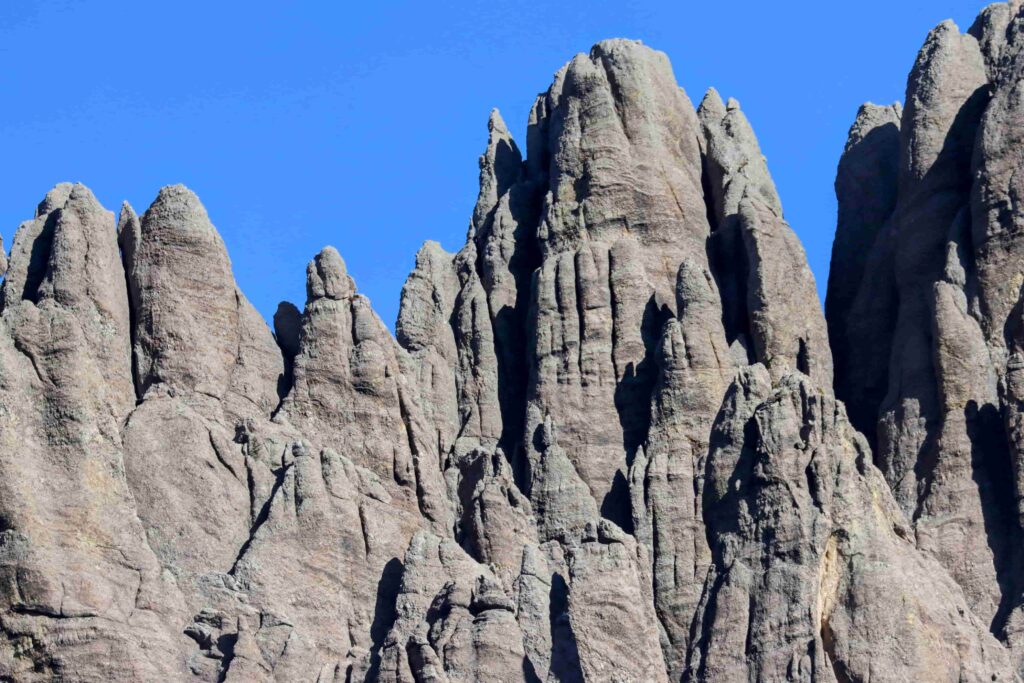
Needles Highway is one of the most dramatic drives in the entire Black Hills. This narrow mountain road winds through towering granite formations known as the Needles, where tall spires of rock rise sharply above the surrounding forest.
The highway includes several tight tunnels carved directly through the granite, including the famous Needles Eye Tunnel. These narrow passages create unforgettable moments as vehicles carefully pass through openings that appear almost too small to fit a car.
Along the drive, visitors will find scenic overlooks, hiking trailheads, and access to places like Sylvan Lake and the Cathedral Spires. The landscape here feels completely different from the open prairie of Wildlife Loop Road, with rugged rock formations, dense pine forests, and high elevation viewpoints.

Iron Mountain Road connects Custer State Park with Mount Rushmore and is widely considered one of the most unique scenic drives in the United States. The road was designed to guide visitors through a series of tunnels and wooden pigtail bridges that spiral through the forested hillsides.
One of the most famous features of this drive is the way the tunnels frame Mount Rushmore in the distance. As drivers pass through certain tunnels, the monument appears perfectly centered in the opening ahead.
The combination of tight curves, granite tunnels, and sweeping views of the surrounding Black Hills makes Iron Mountain Road a memorable experience and a favorite route for visitors exploring the region.

Custer State Park is filled with remarkable landscapes, but several locations stand out as some of the most memorable places to visit within the park. From peaceful alpine lakes to towering granite peaks, these landmarks showcase the incredible variety of terrain found throughout the Black Hills.
Sylvan Lake is often considered one of the most beautiful places in the Black Hills. Surrounded by tall granite formations and pine forest, the lake sits near the western edge of Custer State Park along Needles Highway.
A short walking trail circles the lake and offers beautiful views of the surrounding rock formations reflected in the water. Many visitors enjoy relaxing along the shoreline, renting paddle boats, or beginning hikes from this area. The trail to Black Elk Peak, the highest point in South Dakota, begins nearby and is one of the most popular hikes in the region.
Because of its scenery and easy access, Sylvan Lake is also one of the most photographed places in the park.


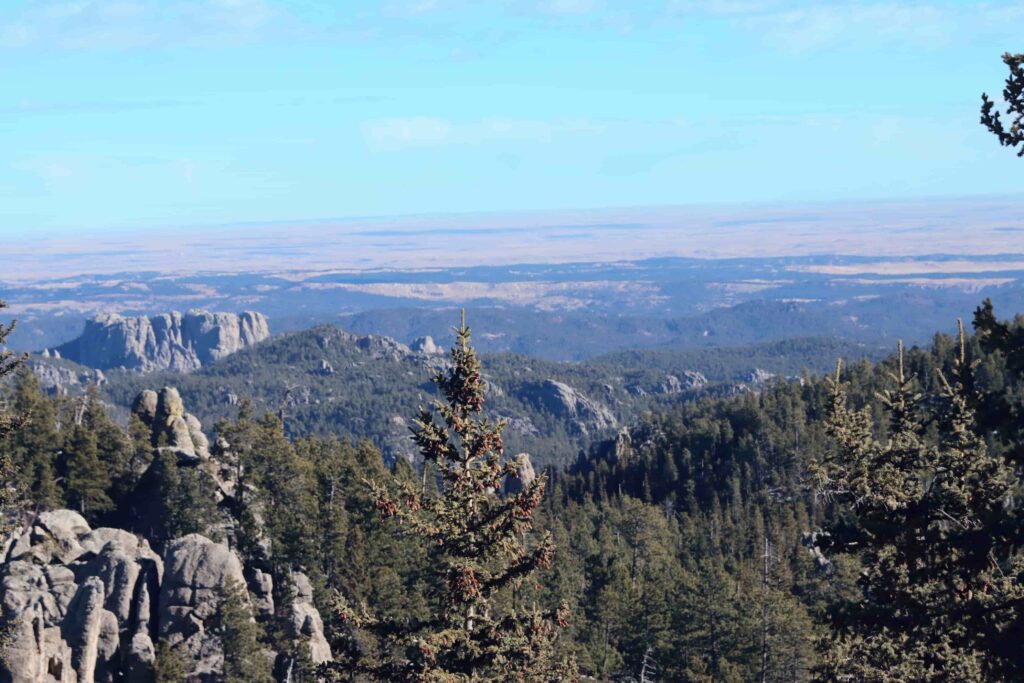
Black Elk Peak rises to 7,242 feet and is the highest point in South Dakota. Located within the Black Elk Wilderness area of Custer State Park, the summit offers sweeping views across the Black Hills and surrounding plains.
The hike to the summit is one of the most rewarding adventures in the region. Several trails lead toward the peak, passing through pine forests, granite outcrops, and open ridges along the way. At the top, visitors reach a historic stone fire tower built by the Civilian Conservation Corps in the 1930s.
From the summit, it is possible to see for miles across the Black Hills. On clear days, the view stretches far beyond the surrounding mountains and into the distant prairie. Exploring the scenic routes through the Black Hills reveals hidden gems and breathtaking vistas at every turn. Each winding path brings visitors face to face with nature’s glory, from lush forests to tranquil lakes. As you traverse these roads, the beauty of the landscape leaves a lasting impression, encouraging countless memories to be made.


The Cathedral Spires are some of the most dramatic granite formations in the Black Hills. Tall, narrow rock towers rise sharply from the surrounding forest, creating a landscape that feels almost otherworldly.
The Cathedral Spires Trail is a popular hike that leads visitors into the heart of these granite formations. The trail winds through pine forest before opening into a valley surrounded by towering rock walls and stone pinnacles.
This area is especially popular with rock climbers and photographers, but even a short walk into the valley reveals why the Cathedral Spires are considered one of the most unique landscapes in the park.

Custer State Park offers a wide variety of experiences, and many visitors are surprised by how much there is to do inside the park. From scenic drives and wildlife viewing to hiking and photography, the park offers activities that appeal to nearly every type of traveler.
One of the most popular things to do in Custer State Park is driving Wildlife Loop Road. This scenic route travels through open prairie and grasslands where many of the park’s animals are frequently seen.
Visitors often encounter bison grazing near the road, prairie dogs popping up from their burrows, and pronghorn moving across the prairie. Wild burros are also common along this drive and are known for approaching vehicles looking for snacks. While they may seem friendly, it’s best to avoid feeding wildlife and simply enjoy the encounter from a respectful distance.
Taking your time along Wildlife Loop Road is one of the easiest ways to experience the park’s wildlife and landscapes.
Sylvan Lake is one of the most recognizable places in the Black Hills and an excellent place to relax during a visit to Custer State Park.
Visitors can walk the trail that circles the lake, rent paddle boats during the summer, or simply enjoy the views of the granite formations rising around the water. The area also serves as a starting point for several hiking trails, including the trail leading to Black Elk Peak.
Because of its scenery and accessibility, Sylvan Lake is a favorite stop for photographers and families exploring the park.
Custer State Park offers more than 30 miles of hiking trails that wind through forests, granite formations, and mountain ridges. Trails range from short scenic walks to more challenging routes that climb toward higher elevations.
One of the most popular hikes leads to Black Elk Peak, the highest point in South Dakota. Other trails, such as the Cathedral Spires Trail, offer stunning views of the park’s unique granite formations.
Even short hikes within the park provide opportunities to experience quiet forests, scenic overlooks, and some of the most beautiful landscapes in the Black Hills.
Custer State Park is one of the best photography locations in the Black Hills. The combination of wildlife, granite formations, forests, and open prairie provides endless opportunities for memorable images.
Early morning and late afternoon are often the best times for photography. The softer light during these times highlights the textures of the landscape and increases the chances of seeing wildlife actively moving through the park.
Many visitors find that simply exploring the scenic drives and stopping at overlooks provides excellent opportunities for photography.


Custer State Park is open year round, and each season offers a different experience. The best time to visit often depends on what you hope to see and do during your time in the park.
Late spring and early summer bring lush green landscapes and active wildlife throughout the park. Bison calves are often born in the spring, and it is common to see young animals traveling with the herd across the prairie.
Wildflowers also begin to appear along many of the park’s hiking trails and scenic drives. Temperatures are generally mild, making this a comfortable time to explore the park on foot or by car.
Summer is the busiest season in Custer State Park, as visitors from across the country arrive to explore the Black Hills. Wildlife Loop Road, Needles Highway, and Sylvan Lake are all popular stops during this time.
While the park can be busy during the middle of the day, early mornings and evenings still offer quiet moments and excellent opportunities to see wildlife. These cooler hours are also the best times for photography and hiking.
Fall is one of the most exciting times to visit the park because of the annual Buffalo Roundup. Each September, park staff and volunteers gather the bison herd in a dramatic event that has become one of the most well known traditions in the Black Hills.
Autumn also brings cooler temperatures and changing colors to the forests of the Black Hills. The golden light and crisp air make this a beautiful season for scenic drives and hiking.
Winter transforms Custer State Park into a quiet and peaceful landscape. Snow often blankets the granite formations and forests, creating a completely different atmosphere from the busier summer months.
Although some roads may close during heavy snow, visitors who explore the park in winter often find a level of solitude rarely experienced during the peak travel season.


Custer State Park is one of the largest and most diverse state parks in the United States. These quick facts help visitors understand the scale of the park and what makes it such a special destination within the Black Hills.
Location:
Black Hills of South Dakota, about 30 minutes south of Rapid City.
Size:
Approximately 71,000 acres of protected prairie, forest, lakes, and granite formations.
Established:
1912
Wildlife:
The park is home to one of the largest publicly maintained bison herds in the world, along with pronghorn antelope, elk, bighorn sheep, prairie dogs, coyotes, and wild burros.
Famous Scenic Drives:
Wildlife Loop Road, Needles Highway, and Iron Mountain Road all pass through or connect directly to Custer State Park.
Highest Point:
Black Elk Peak rises to 7,242 feet and is the highest natural point in South Dakota.
Annual Event:
The Buffalo Roundup takes place each fall and is one of the most famous wildlife events in the United States.
Recreation Opportunities:
Visitors can enjoy wildlife viewing, hiking, fishing, kayaking, scenic drives, camping, rock climbing, and photography throughout the park.


Rapid City to Custer State Park– 39 min
Keystone to Custer State Park – 35 min
Hill City to Custer State Park – 42 min
Deadwood to Custer State Park – 1 hr 23 min
All directions are from the city listed to the Visitors Center
Visitors often have questions about wildlife, scenic drives, and how much time to spend exploring Custer State Park. The answers below address some of the most common things travelers want to know before visiting this remarkable area of the Black Hills.
Custer State Park is best known for its large free roaming bison herd, scenic drives like Wildlife Loop Road and Needles Highway, and the dramatic granite landscapes found throughout the Black Hills. The park combines open prairie, forested mountains, lakes, and wildlife viewing opportunities in one destination.
At least a full day. Custer State Park offers so much hiking and outdoor activities you could easily extend your stay from one full day to weeks.
Most visitors spend at least half a day exploring the park, though a full day allows time to drive the scenic roads, stop for wildlife viewing, and explore areas like Sylvan Lake or Cathedral Spires. Travelers who enjoy hiking or photography may want to spend even longer.
Wildlife is most active in the early morning and late afternoon. These cooler parts of the day often provide the best chances of seeing bison, pronghorn, prairie dogs, and other animals moving through the park.
Yes. Bison live in the park year round and can often be seen along Wildlife Loop Road. The herd moves throughout the park depending on grazing conditions, but sightings are common in most seasons.
Wildlife Loop Road, Needles Highway, and Iron Mountain Road are the most famous scenic drives connected to the park. Each road offers different views of the landscape, from open prairie filled with wildlife to narrow mountain roads winding through granite formations.
Yes. Custer State Park offers more than 30 miles of hiking trails ranging from short scenic walks to longer routes through the Black Hills. Popular hikes include the trail to Black Elk Peak and the Cathedral Spires Trail.
The Buffalo Roundup is an annual event held each fall where park staff and volunteers gather the bison herd as part of the park’s wildlife management program. The event attracts visitors from across the country who come to watch riders guide the herd across the prairie.
Yes. Visitors must purchase a park entrance pass to enter Custer State Park. Passes can be purchased at park entrances and visitor centers and are typically valid for several days.